
Album Review
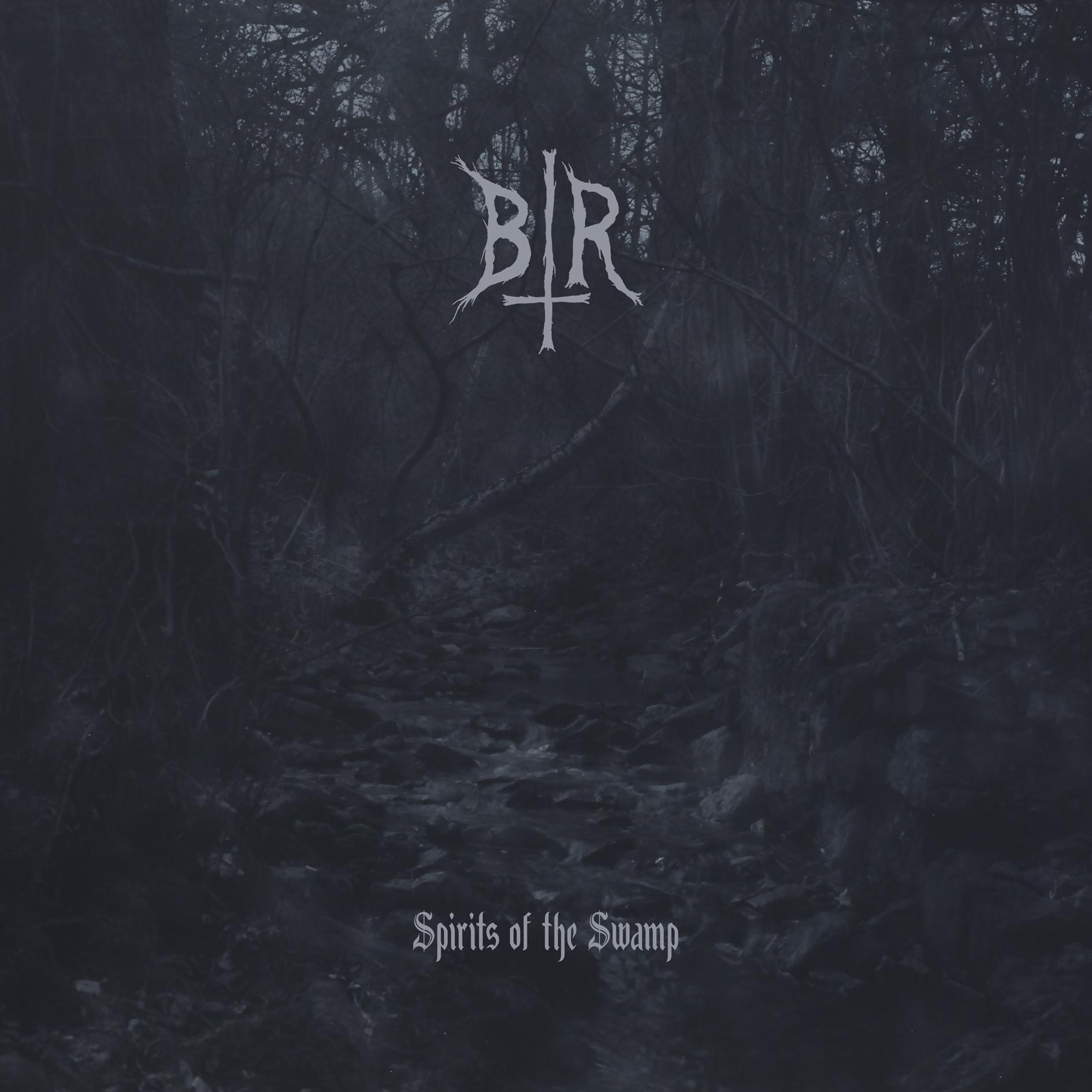
Bockreiter - Spirits of the Swamp
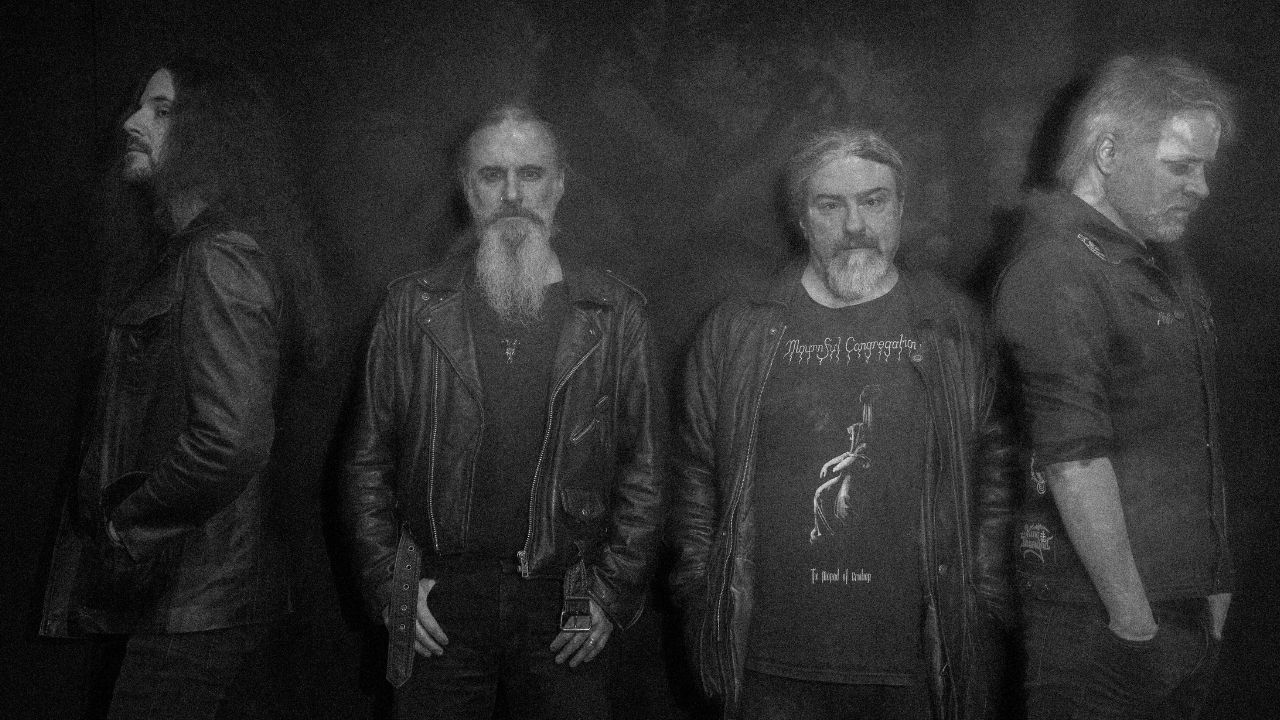
Belgian outfit Bockreiter has been shaping its identity since 2018 within a tense in-between space where black metal and doom metal intersect, drawing nourishment from the darker currents of folklore-rooted narrative traditions in the scene. Spirits of the Swamp expands this approach into more expansive, compositionally elongated forms on their debut full-length, intensifying the band’s sound across both rhythmic and atmospheric layers. The album merges its thematic framework—centered on regional legends—with a palpable sense of physical weight constructed through direct riffing and production choices.
Spirits of the Swamp does not construct its black metal–doom metal continuum solely through tempo shifts; the album’s core identity emerges from riffs that consistently refuse resolution and from the way production frames this tension. The dense distortion layer that opens the record initially suggests a conventional lo-fi black metal blur, yet as the album unfolds it becomes clear that the mix is in fact highly controlled. The low-mid focused guitar tone, combined with relatively dry drum hits, creates a persistent sensation of the material sinking into a swamp-like inertia—making the folkloric, decayed atmosphere audible not only in the lyrics but in the very architecture of the sound design.
Bockreiter’s blackened doom approach is largely defined by riff organization. On the doom metal side, the writing leans on extended sustain-driven chord progressions and slow-moving rhythmic pulses, while the black metal influence extends far beyond blast beats; in particular, tremolo-picked riffs avoid tonal resolution and become a central factor in the album’s underlying unease. In many passages, riffs behave as though they are approaching melodic climax only to collapse back into themselves, resulting in compositions that operate through circular tension rather than linear escalation. This is especially evident on long-form tracks such as “Through The Veil” and “The River,” where the band deliberately avoids verse/chorus structures in favor of unfolding atmospheric density over time.
One of the album’s most effective traits is how it constructs transitions between doom and black metal not through sharp contrasts, but through gradual deformation. Sections that accelerate into blast-driven intensity rarely feel like sudden eruptions; instead, they function as outward pressure released from within the existing riff structure. This distinguishes the album from many contemporary atmospheric black metal recordings, where dynamic shifts are often built around dramatic ruptures. Bockreiter instead opts for a more organic, creeping architecture. While this approach occasionally creates the impression that certain passages overextend their runtime, it remains structurally consistent with the swamp-themed conceptual frame. Rather than offering the listener a path of constant direction changes, the album chooses to sink deeper into the same dark terrain.
The vocal work serves this atmospheric framework as well. The primary black metal screams are delivered through a dry, forward-placed mix, rendering the vocals less like an epic narrative voice and more like another decaying layer embedded within the sonic texture. Occasional growls and enraged shouts function less as dramatic contrast and more as density-enhancing layers. Whispers and spoken-word sections similarly avoid theatrical gothic stylization, instead operating as transitional elements that reinforce the album’s folkloric narrative backbone. This is a crucial distinction: despite drawing from regional legends and occult storytelling, the album does not translate its material into cinematic spectacle. On the contrary, it deliberately maintains a dirty, suffocating, underground character.
Short synth textures and clean guitar passages expand the album’s atmosphere but never take center stage. Bockreiter’s approach here is notable: rather than elevating ambient elements into a dominant narrative layer—as many contemporary blackened doom bands tend to do—these components remain background tools supporting the existing riff architecture. As a result, the album does not attempt to position itself as experimental. The primary weight remains firmly anchored in the dark harmonic tension carried by the guitars. This prevents Spirits of the Swamp from drifting toward post-metal or avant-garde black metal territory, keeping it within a more traditional yet consciously atmospheric framework.
Déhà’s influence is clearly present on the production side. The Blackout Studio mix aims for controlled density rather than sterile expansiveness. Instruments remain clearly discernible, yet nothing is allowed to fully shine; the blurred guitar layer consistently occupies the center of the sound field. While this occasionally pushes melodic passages into the background, it aligns with the album’s overall aesthetic intent. The drums, in particular, are left in a natural and relatively tight state, helping the record avoid any sense of digital polish. Production here functions as more than a technical vehicle—it becomes a structural element that directly defines the music’s muddy, suppressed character.
The album’s visual and conceptual dimension runs parallel to the music. The Buckriders folklore that underpins the narrative is not merely a lyrical backdrop, but part of a broader world-building framework that operates alongside rhythmic weight and tonal darkness. Compared to many extreme metal bands that treat folklore as decorative mysticism, Bockreiter’s approach feels more grounded and physical. Ideas of swamp, decay, and disappearance are not romanticized pagan aesthetics, but instead become extensions of the music’s own mode of movement. Extended transitions and riff repetition continuously reinforce this sensation.
Spirits of the Swamp does not introduce radical departures within the blackened doom spectrum. What it does instead is intensify the genre’s existing language within a highly consistent atmospheric logic. Experimental elements are used with restraint, structures move deliberately slowly, and the production consistently reinforces the suffocating atmosphere. As such, the album does not function as a fast-consumption extreme metal release aimed at immediate impact. It demands patience, repetition, and attention to subtle riff evolution. Rather than inventing a new formula, Bockreiter appears focused on consolidating the physical weight of blackened doom and its folkloric darkness into a coherent aesthetic framework.
OZAN
https://www.facebook.com/Bockreiterdoommetal
https://www.instagram.com/bockreiter.doom/
https://bockreiter.bandcamp.com/