LIVE REPORT
Bosphorus Music Conference: Beyond the Underground review.
Metal culture, Istanbul and the future.
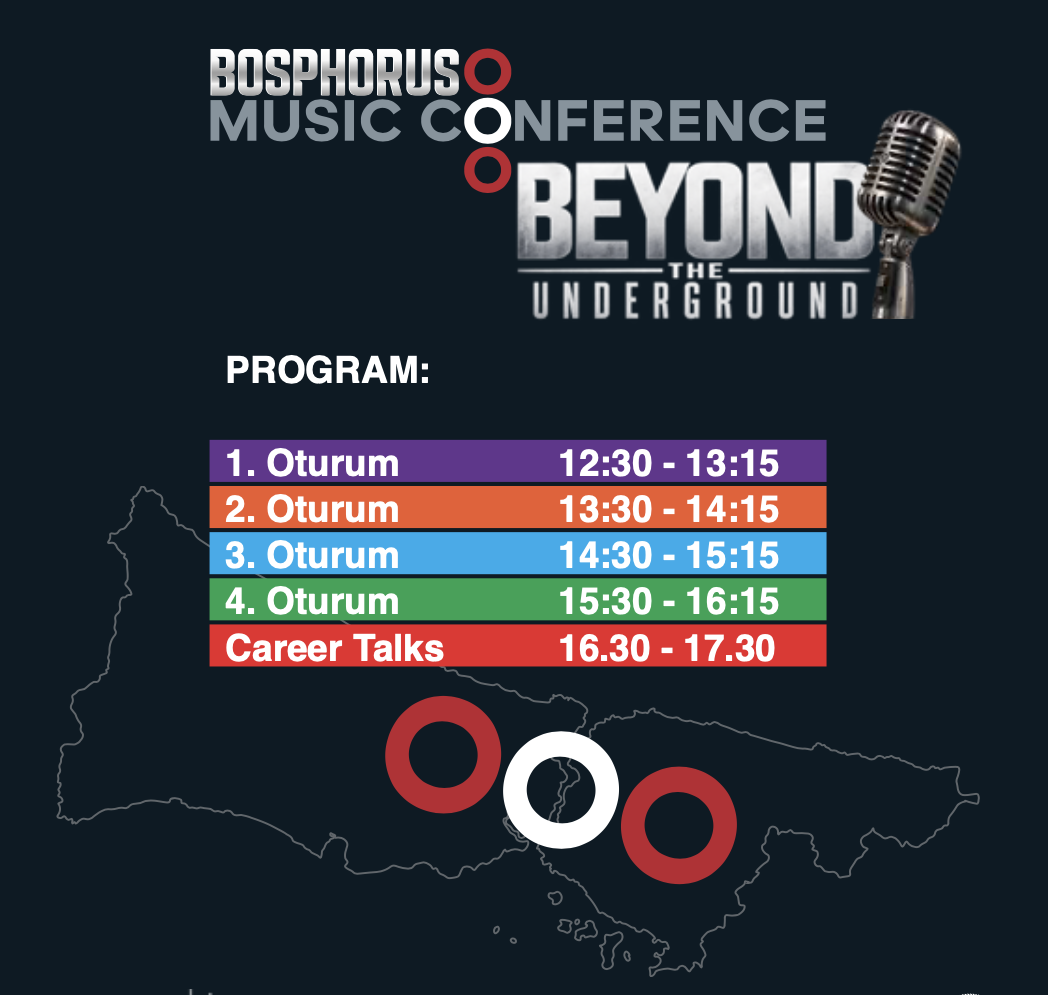
A festival’s anatomy could hardly have been laid out this clearly, and this far in advance… Yes, that was exactly the feeling I had about the Bosphorus Music Conference Beyond the Underground. When the conference was first announced, I honestly couldn’t quite grasp the concept; in particular, I couldn’t see how such a large number of speakers would be integrated into the proceedings or what they would actually be discussing. However, the opening session, titled "The Cultural Power of Metal", immediately showed me what an eye-opening approach this conference could be. I was particularly interested in the discussion of how metal could potentially shape a city’s way of life. I loved the idea that Norwegian cities such as Bergen and Oslo, which were held up as examples in this regard, could serve as models for Istanbul. "Why shouldn’t Istanbul be a metal city, too?" and what could be done to make that happen were, in my view, among the most important topics discussed. Rather than looking at a festival simply as a collection of concerts, the speakers approached it holistically, considering it as a way of life and examining its place and impact within the dynamics of a city. In doing so, they touched on some very different but highly relevant points.
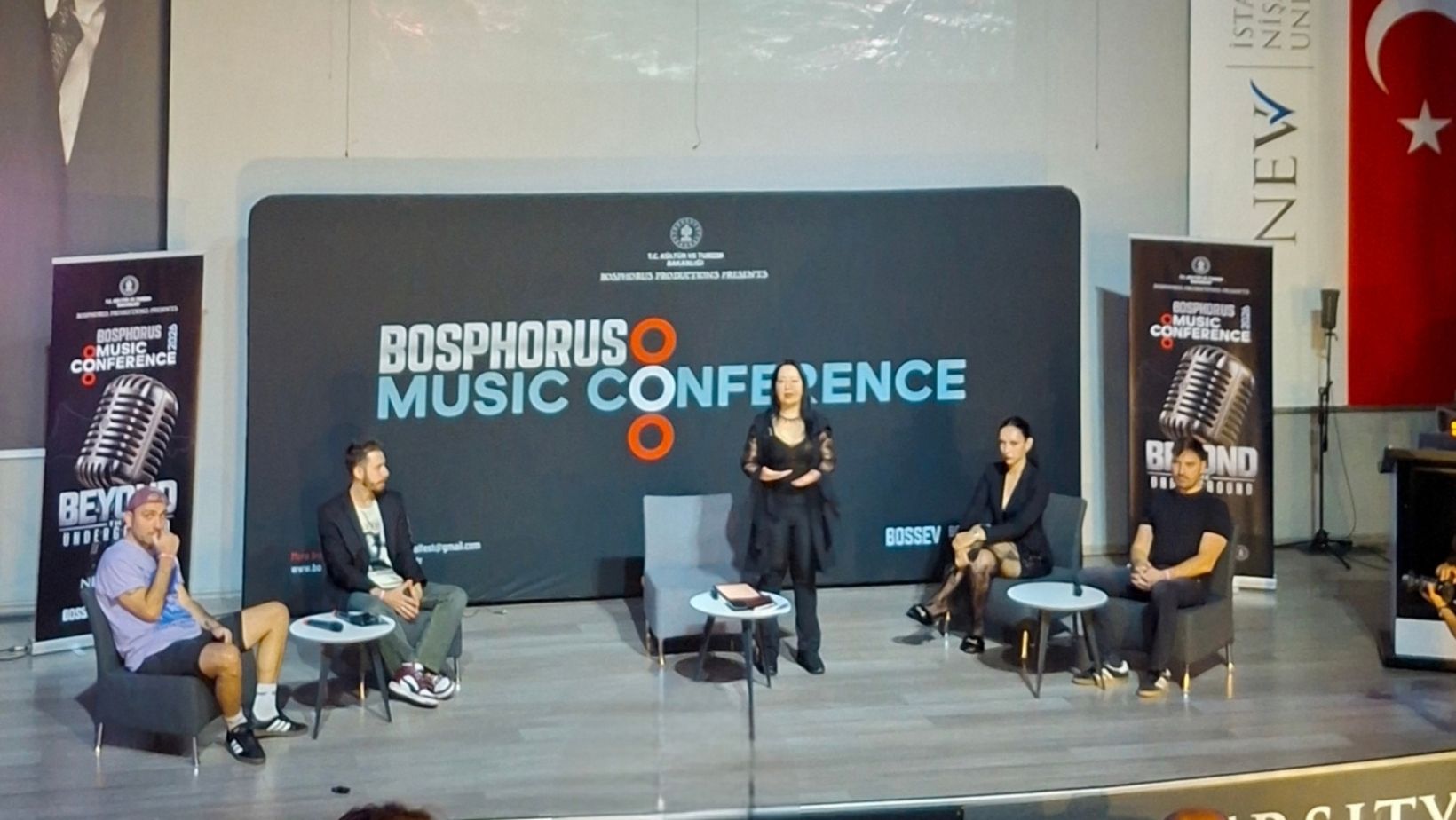
Another session, "The Future of Metal", covered a wide range of important issues concerning the future of metal culture, from the current state of artificial intelligence (AI) and digital streaming platforms to broader questions about where metal culture is heading. Most importantly, there was an informative discussion about how the recent misunderstandings and negative perceptions surrounding metal culture in Turkey could be reversed. One question from the audience particularly affected me: "When people speak negatively about metal music and engage in negative propaganda, why aren’t there academics or scientists defending metal music in the press or on social media? Or, if there are, why aren’t they addressing and explaining this subject?" When there is no one speaking on behalf of us metal fans and explaining the facts, unfortunately, there is little we can do to prevent misunderstandings and prejudices. This question genuinely struck me. It was also a nice moment of direct interaction when one of the participants, particularly Dr. Tunca Arıcan, said that he considered the issue important and would be looking into it in the near future. The interactive aspect of the conference was very satisfying for me in this respect. The quality questions from the audience, few but to the point, were every bit as valuable as the contributions from the speakers and, in my opinion, were one of the factors that made the conference more engaging.
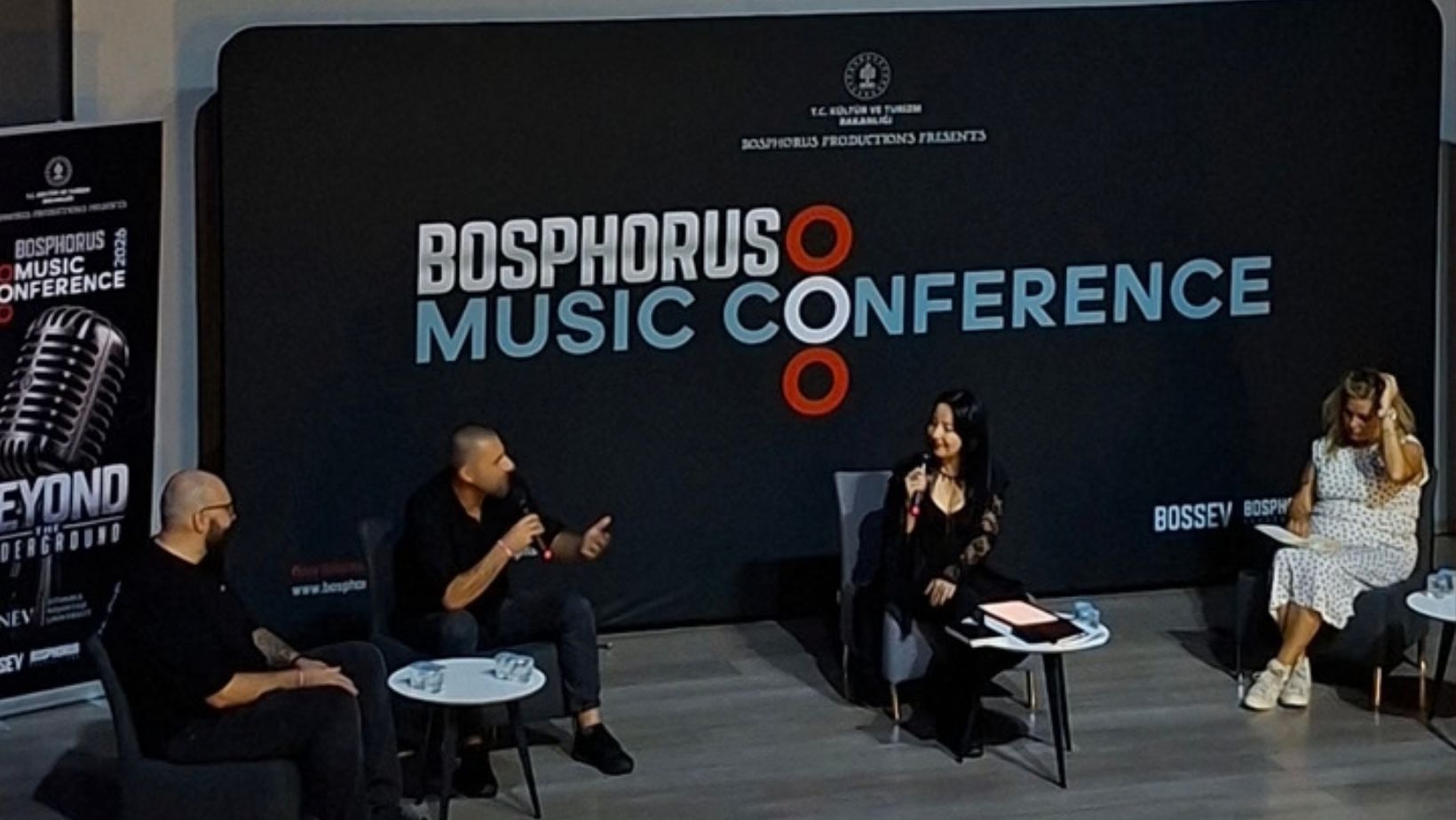
The "The Invisible Industry of Metal Music" session was another section that, in particular, people working within the industry, musicians, investors and promoters should have attended. Why are more concerts and more festivals necessary? The effects, challenges and requirements surrounding their sustainability, and how this affects musicians and record labels, were discussed in detail. I think having speakers who are involved both as musicians and on the organisational side of the industry was a very good choice in this regard. It was an extremely useful session in terms of being able to look at every aspect of the industry, both inside and out, with empathy and convey those perspectives to the audience.
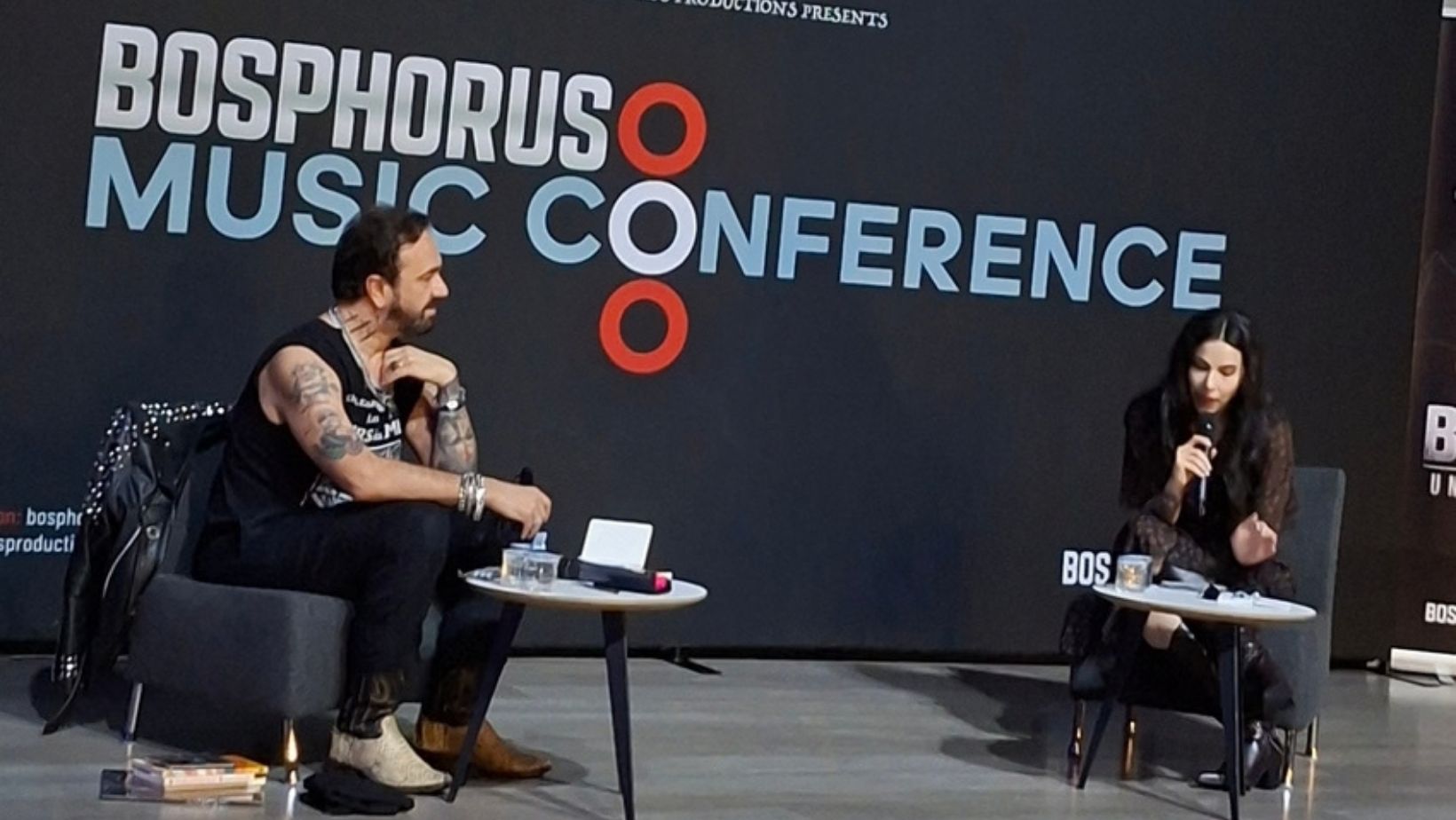
Now we come to my favourite session. The "How Do You Create a Metal Scene?" session genuinely impressed me. I simply couldn’t get enough of it, and I thoroughly enjoyed listening to it while thinking, "I hope the same team, or something similar, comes back next year." We heard from internationally recognised professionals in their respective fields about their experiences and about how we could turn Istanbul into a metal city. Particular emphasis was placed on how Istanbul’s advantages in terms of its airport and international travel, together with its cultural heritage, could be major attractions for festivalgoers. One reason this was the part of the conference that impressed me most was that Asmund Prytz, a representative of Beyond the Gates, my personal favourite festival, was among the speakers. He explained in detail what makes Bergen a metal city and how they have made use of that identity for the festival. Having experienced that festival first-hand, I was genuinely impressed to see the Bosphorus Metal Conference (or Bosphorus Rock Fest) looking to that parallel as a model. "This is the vision," I thought. I hope all the innovations, developments and arrangements envisioned and desired for Istanbul and Bosphorus in this session can be implemented and made permanent. If that happens, I certainly don’t think it is impossible for Istanbul to host a permanent, world-class metal festival.
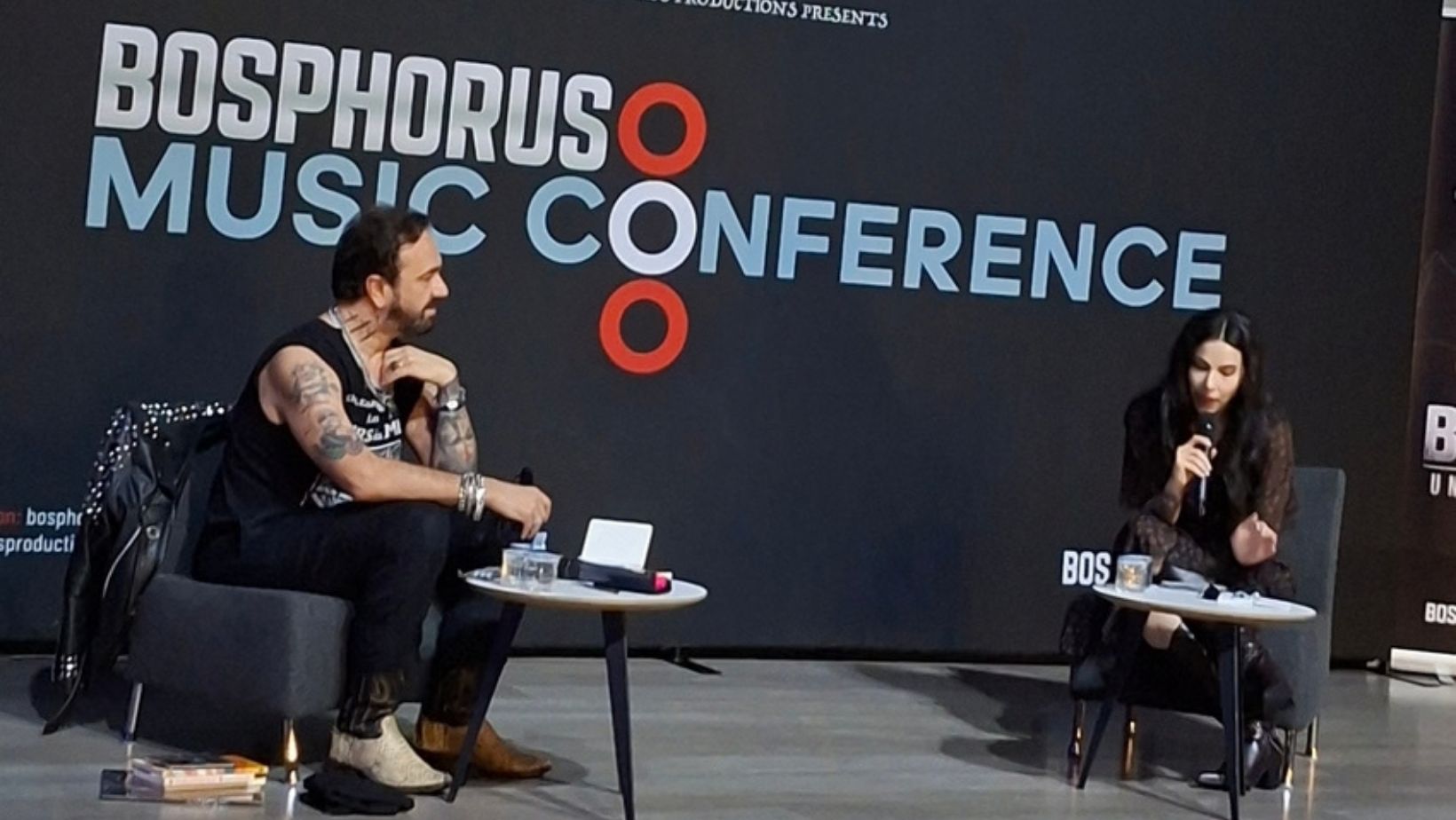
And finally, the session that was probably the most anticipated of the conference was the talk by Moonspell frontman Fernando Ribeiro. He shared anecdotes from his life and spoke about his newly released book, his latest albums, and his general approach to art and the creative process. I was extremely excited at this point because I was going to interview him, so I can’t go into too much detail, but I can definitely say that it was a very positive interaction.
To sum up, although I initially approached the conference with some prejudice because I couldn’t quite figure out its purpose and content, I left extremely pleased and pleasantly surprised by the subjects discussed and everything that was shared. I believe the metal community in Turkey very much needs these subjects to be discussed on serious and professional platforms like this. I thoroughly enjoyed listening to it. Hats off to the organisers and participants for all their hard work.
I hope to see you again next year at this conference, which I believe has opened new horizons for the Turkish metal community.
Stay metal!
