ALBUM REVIEW
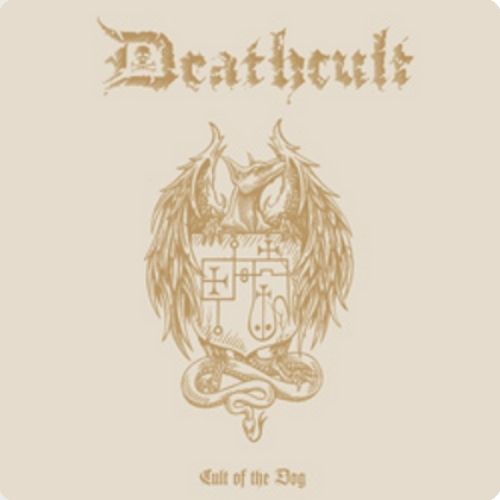
Deathcult – Cult Of The Dog
Dirty start, fading attack, diluted blood.
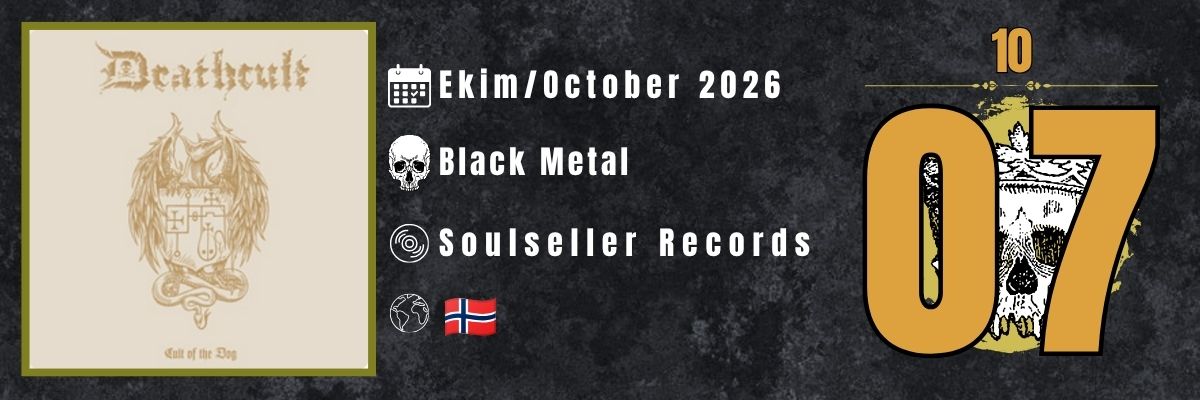
Coming from the dark and dirty vein of Norwegian black metal, Deathcult are back with Cult Of The Dog, the final chapter in a trilogy that began with Cult Of The Dragon in 2007 and continued with Cult Of The Goat in 2017. Released through Soulseller Records, the album consists of seven tracks and runs for roughly forty-five minutes.
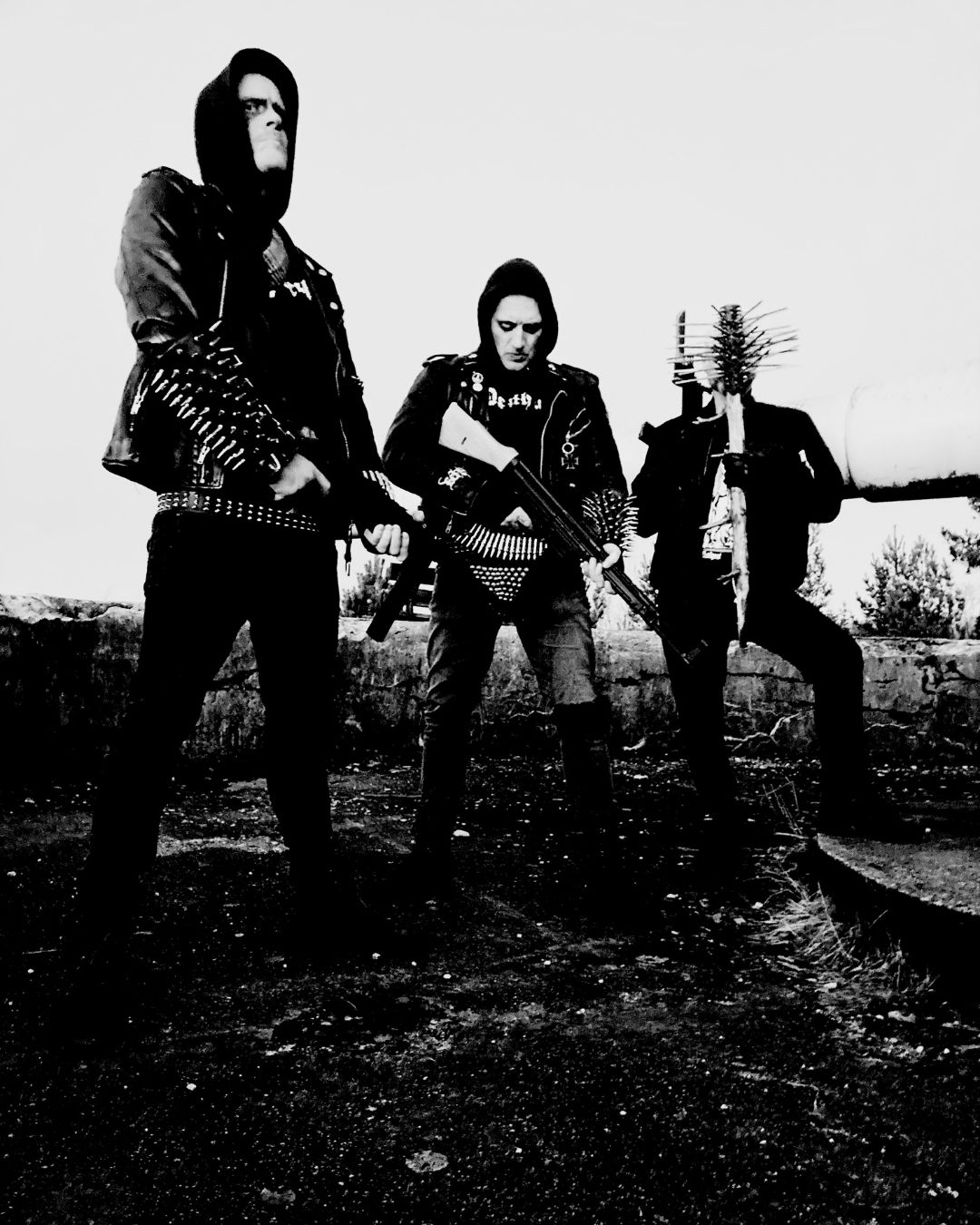
The lineup is led by Skagg on vocals and guitar, Lava on second guitar, Thurzur on drums, and Høst on bass. Yes, Taake's founder and vocalist Høst is behind the bass here. It's a nice detail as far as the lineup is concerned, but when listening to the album, we're more interested in what Deathcult are delivering than who Høst is. The album's recording history is a bit of a long one, too; Cult Of The Dog was recorded at Sanddalen Laave and Grieghallen Studio in 2021, with the mixing work carried out at Grieghallen between 2022 and 2025. Behind the engineering desk is Eirik “Pytten” Hundvin, one of the important names in Norwegian black metal. Mastering was handled by Haldor Grunberg at Satanic Audio in 2025. The artwork also bears the signature of Jannicke Wiese-Hansen.
Now to the main issue. From the very first second, the album hits you over the head with a “I'm here” attitude. The attack that begins with Dogs Of War continues with Cynocephalus and Author Of Caedes. The first three songs are basically a war zone. Deathcult open the album with a three-track attack as if they had drunk the same blood from the same cup as bands like Urgehal and Tsjuder. Dirty, raw, cold and aggressive. There is that filth of old Norwegian black metal in the riffs; they haven't tried to modernize it or polish every corner of it. And thank fuck they didn't.
“Dogs Of War” in particular is one of the album's hardest punches from a production standpoint. The recording is raw and abrasive, but it isn't weak; quite the opposite, it keeps hitting harder and harder. The dirt in the guitars, the attack of the drums and the overall sonic character are all very apparent on the opening track. You can also really feel the touch of Grieghallen and Pytten here. Then Cynocephalus and Author Of Caedes arrive, and the attack continues. All three feed from the same vein. As if they were drunk from the same cup and fed on the same blood. I liked Deathcult more on these tracks. They don't beat around the bush; they lay down the riff and attack.
But with the fourth track, “Eat Broken Glass”, the album's fire begins to die down. That aggression clinging to your neck throughout the first three songs gradually loosens its grip. The production also doesn't hit with the same force as it does on the first three tracks. The drop in volume is particularly noticeable. That raw and abrasive recording coming straight at you on the opening track pulls back a little as the album progresses. Looking at the album's production process, it's hard not to think about this. The recording was done in 2021, while the mixing work stretched from 2022 to 2025. The fact that the songs were prepared at different times and that the process was spread across several years may have played a part in the tracks not carrying the same energy. I can't say that's the definite reason, but your ears don't lie: there is a serious difference in energy between the first three tracks and what follows.
By the time Pseudocommando arrives, the first attack is already starting to feel like a distant memory. That cold atmosphere takes on a warmer character. Deathcult are still dirty, still black metal and still on their own path, but that savage atmosphere from the first three tracks is gone. Hyperviolence and Imperium Satana can't bring things back up either. This is where the album's concept comes into play, creating a nice irony. According to Skagg's explanation, the Dog in the final chapter of the trilogy represents the hatred and aggression within human beings. Cult Of The Dragon deals with death and destruction, Cult Of The Goat with sex and lust, while Cult Of The Dog is about hatred and aggression. This idea fits the first three songs perfectly because the album really does attack; but once we reach the second half, the dog starts to become a little domesticated.
Still, Cult Of The Dog is hardly a throwaway effort. The first three tracks in particular show that Deathcult can still draw blood from that dirty, raw and aggressive vein of old Norwegian black metal. Yet you can't help expecting that savagery from the opening section to continue throughout the rest of the album. The opening sets the bar so high that the drop afterward becomes all the more noticeable. Deathcult enter the album with a three-track attack as if they had drunk the same blood from the same cup as bands like Urgehal and Tsjuder; but from the fourth track onward, that blood gradually becomes diluted.

http://www.soulsellerrecords.com
https://soulsellerrecords.bandcamp.com
https://www.facebook.com/SOULSELLERRECORDS