ALBUM REVIEW
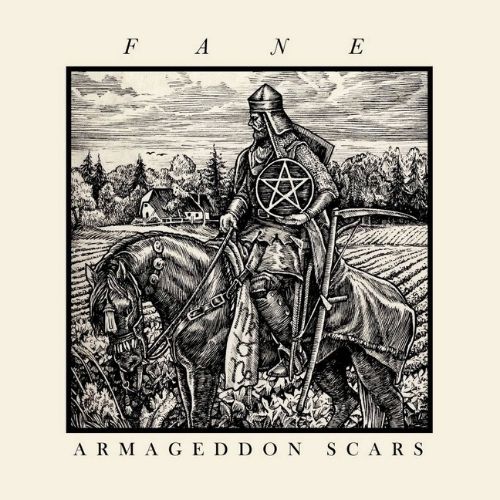
FANE - Armageddon Scars
Heavy, atmospheric, controlled, and deeply dark sludge.
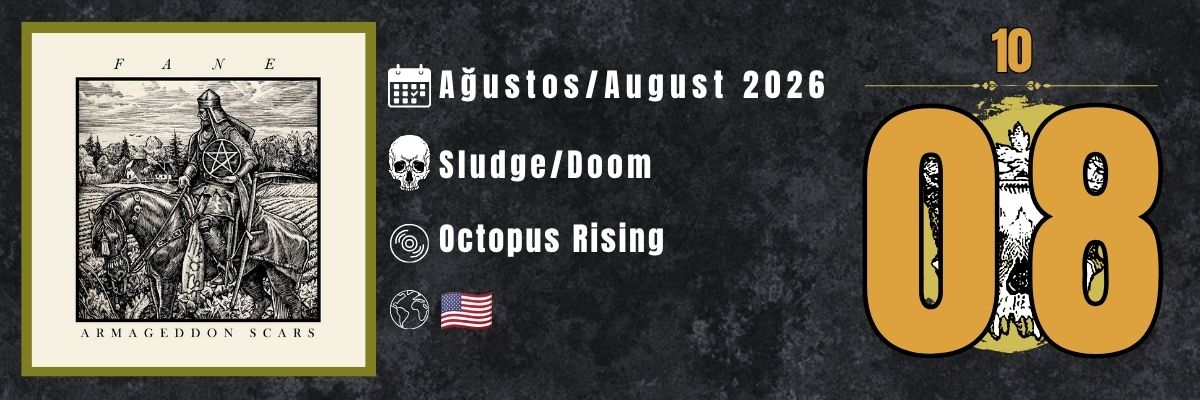
FANE return with "Armageddon Scars" after a one-year hiatus following their second full-length, "Dragged Through the Unending." A quick look at the recording reveals that, rather than defining its approach to sludge and doom solely through distortion and low tempos, the band skillfully integrates space and tension into its sound as well. The Louisiana duo’s five-track debut full-length balances the density of the guitars with the space left within the arrangements, giving the heavier passages not merely greater mass, but a more defined structural function. Ryan Ashmore’s harsh, muffled vocals do not seek a melodic counterpart against this backdrop; instead, they lock directly into the severity of the riffs, reinforcing the recording’s dark character along the doom/sludge axis.
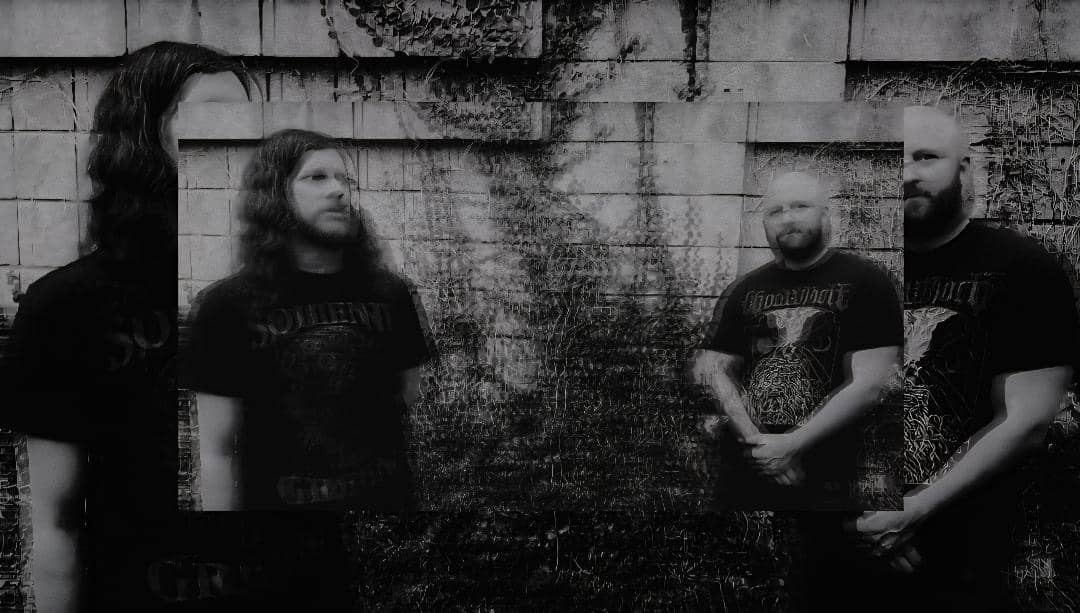
The duo’s setup also explains the album’s musical economy. While Ashmore handles the vocals, Trey Porche is responsible for all instrumentation and programming. Creating a broad sonic field with such a limited lineup is no easy task; rather than continually increasing the number of layers, FANE achieve it through guitar density, percussive accents, and the spaces within their arrangements. "Flatline" is the clearest example. The mournful guitar motif that opens the track alone takes on an entirely different physical weight when the heavy doom riff enters. Although the riff arrives abruptly, the arrangement never rushes; once the vocals come in, the track combines doom’s traditional slow progression with sludge’s dirtier, more abrasive mode of expression.
"Dead Shepherd" expands the same fundamental language through a more active riff structure. The guitars remain heavy and expansive, but turn toward sharper strikes in certain passages, while the percussion follows suit and prevents the track from becoming static. The brief psychedelic transitions and post-metal-oriented expansions are particularly important here because they keep FANE’s approach to atmosphere from being reduced to a matter of dark production alone. These passages do not create an entirely new genre; instead, they alter the space surrounding the central riffs, allowing the composition to breathe.
"Poisoned Crown" filters some of the density established by the first two tracks through a simpler riff foundation. Its heavy groove approach, reminiscent of YOB, is more immediately apparent here; however, the track’s narrative progression and extended fade-out turn its duration into a compositional element rather than simply repeating a traditional sludge riff. At this point, the dark atmosphere drawn from Black Metal functions not as a genre embellishment, but as a backdrop supporting the guitars’ tonal character and the harshness of the vocal approach.
The album’s real area of expansion emerges across its final two tracks. "The Mariner" moves into different areas of motion by increasing its note density without significantly raising the tempo. This is an important choice: FANE create tension not through speed, but through changing guitar movements within the same sense of heavy time. As the track develops, the arrangement opens up more layers, while ambient sounds and abstract passages stretch the doom/sludge framework toward post-metal and psychedelic territory. "Passages" continues this approach to extended form through a structure that connects two primary phases. Rather than simply enlarging the material heard earlier, the recurrence of these sections gives the album’s long-form approach a greater sense of intent.
At this point, it is possible to place FANE on the same map as names such as THOU, PRIMITIVE MAN, YOB, and CROWBAR; however, the value of "Armageddon Scars" does not lie in reproducing any of these references wholesale. The album combines sludge’s weight with doom’s patience, while keeping hardcore’s directness and Black Metal’s tonal darkness further in the background. The references to American folklore also do not feel like a conceptual layer pasted onto the music. This aesthetic inclination remains more of an underlying color perceptible within the album’s atmospheric texture. For that reason, the defining element of FANE’s music is not a folkloric identity, but the tension built around its heavy riffs.
The production approach is equally consistent with these musical choices. Avoiding the sterile, heavily processed sound of modern metal that fills every available space, preserving the physical character of the performances, and relying on an analog working method all become extensions of the album’s compositional logic rather than nostalgic technical preferences. The heavier sections of "Armageddon Scars" do not appear large merely because of the depth of the mix; the fact that the arrangements genuinely leave space makes the relationship between the guitars and percussion easier to hear. The analog recording approach is not an achievement in itself; what matters is that it supports the album’s raw yet controlled character.
For this reason, "Armageddon Scars" seeks an alternative to the more-is-more approach frequently found in contemporary sludge/doom: more distortion, more layers, and a bigger sound. FANE’s experimental side also remains measured here. The ambient textures, psychedelic transitions, and post-metal expansions support the album’s identity, but none feels placed at the center simply for the sake of appearing different. The core identity still lies in the balance between the weight of the riffs and the space left around that weight.
The five-track structure, particularly through its turn toward longer forms on the final two songs, shows that FANE are operating not merely as a sludge duo, but as a band that treats atmosphere and duration as active compositional elements. That also determines how "Armageddon Scars" demands to be consumed: attention should be paid not only to the heavy sections themselves, but to how those sections are constructed and how long they are allowed to sustain their weight. "Armageddon Scars" does not abandon the fundamental principles of weight that define the genre; it successfully reframes them through more controlled arrangements, an organic performance approach, and long-form structures that build tension independently of speed.
