
Album Review
Faun Live in Istanbul: Harbiye Cemil Topuzlu Open-Air Concert Review
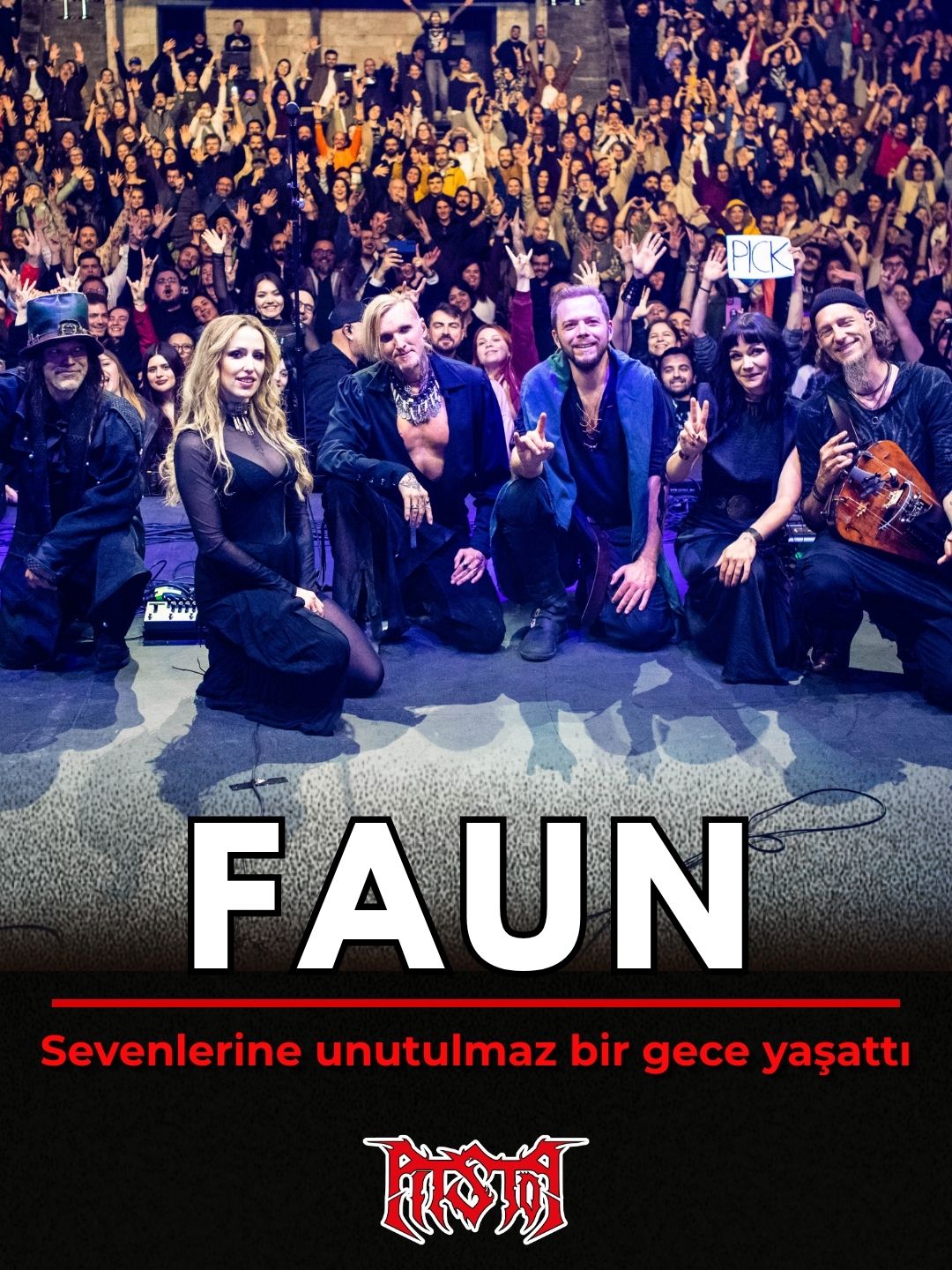
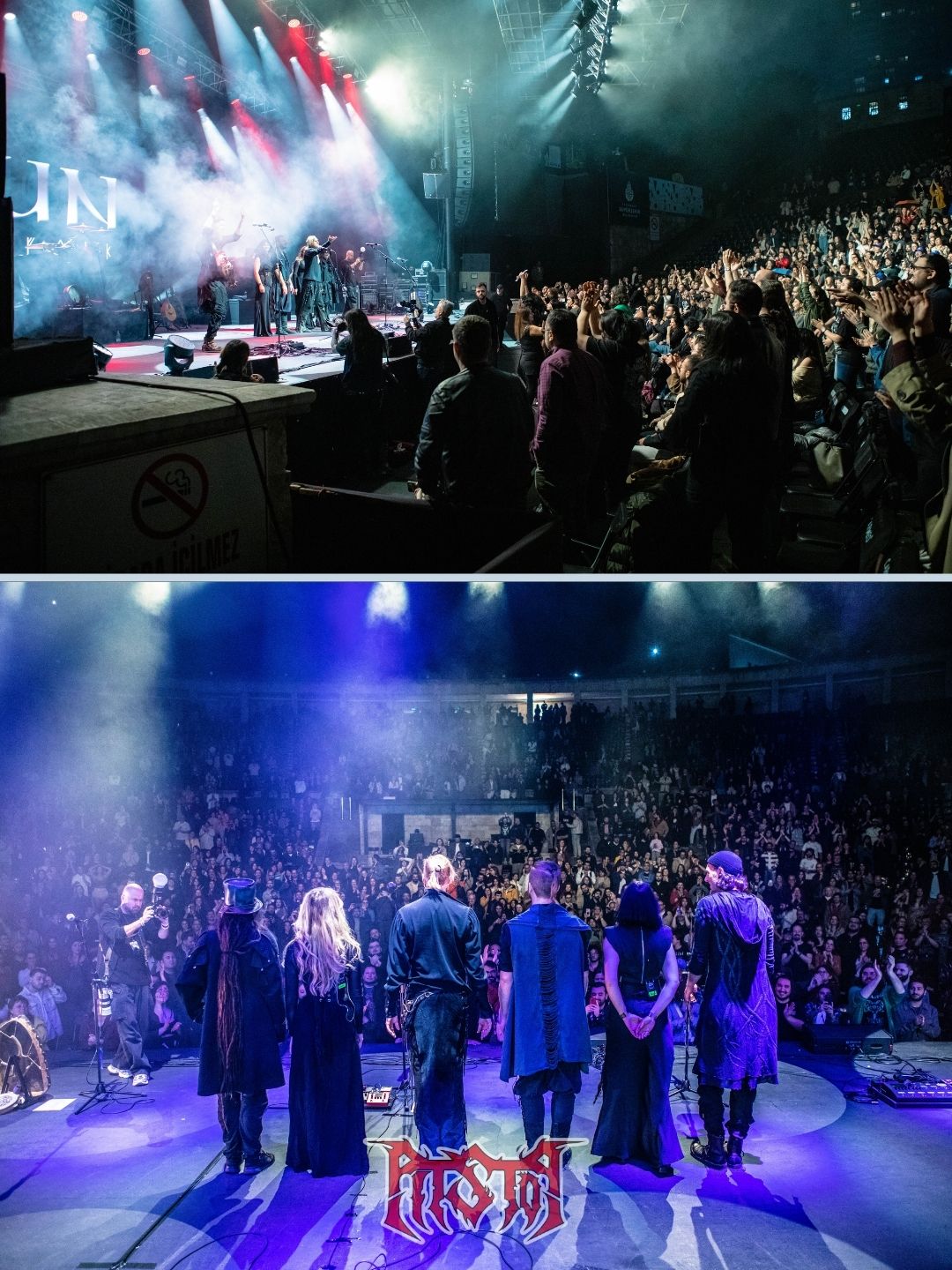
Faun’s performance on the night of May 9 at Istanbul’s Harbiye Cemil Topuzlu Open-Air Theatre ceased to be an ordinary concert evening from the very first minutes. The stone texture of the venue and its open-air acoustics, merging with the tones flowing from the stage, produced an atmosphere that slowly dissolved any sense of time. As one mingled with the crowd, it became clear that this was not an experience of "watching," but rather an expanding space within.
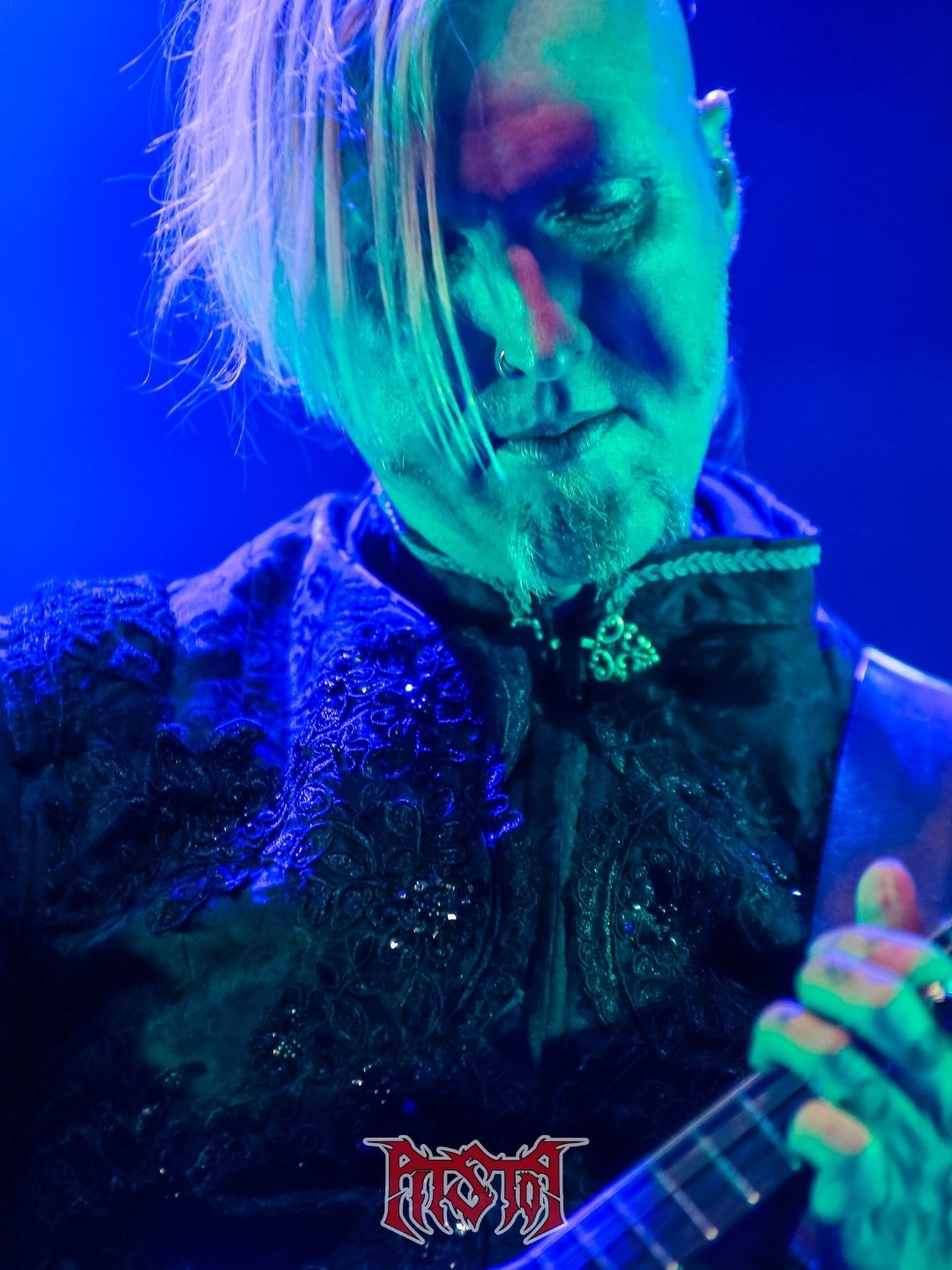
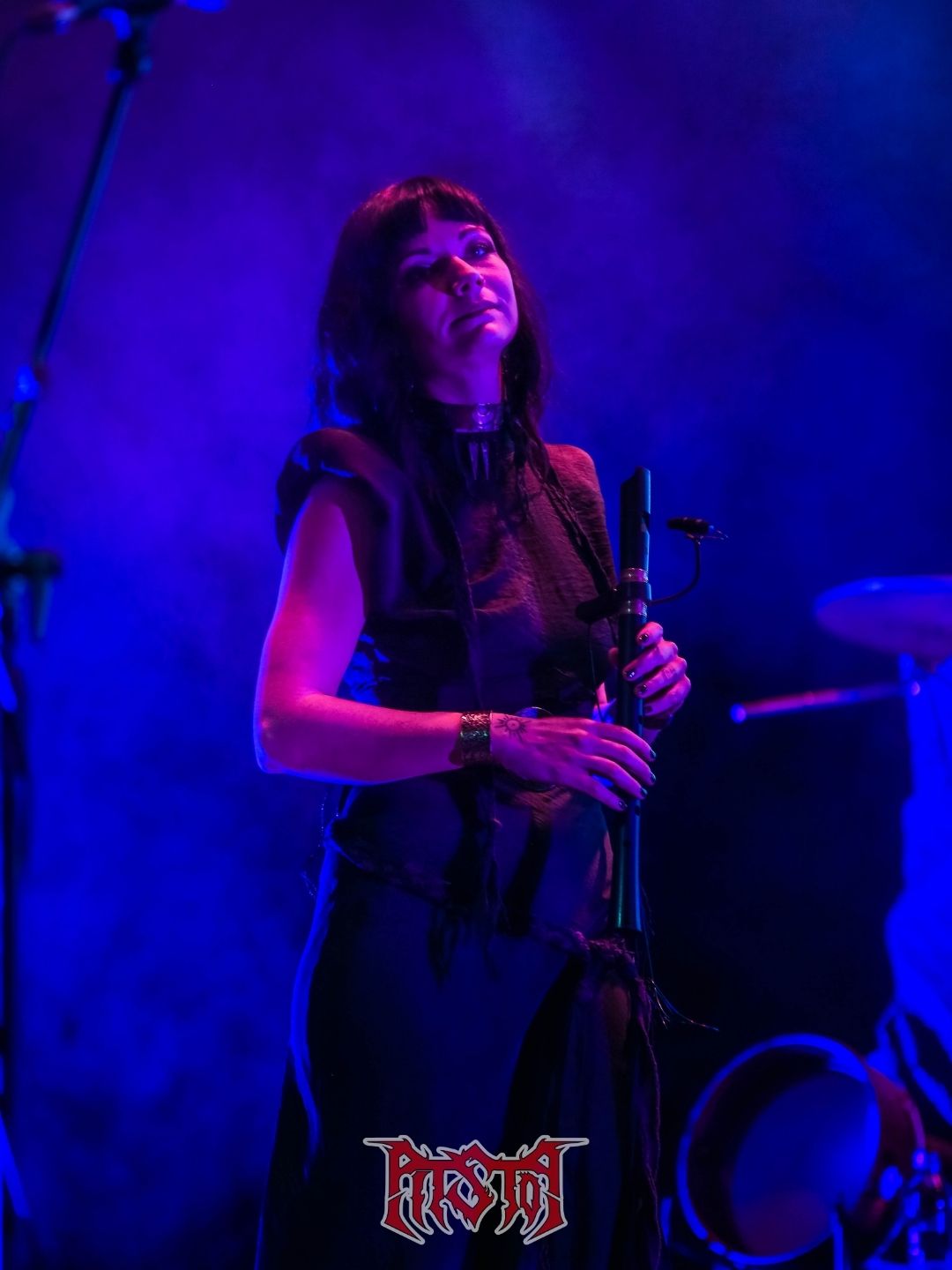
The stage lighting carried a restrained simplicity rather than overt spectacle, reinforcing a ritual-like atmosphere. When the band stepped on stage, the first response was not applause in the conventional sense; it was as if everyone collectively adjusted their breathing. With the opening pieces, Harbiye’s stone stands transformed into an entirely different space. Medieval-inspired instrumentation deliberately softened the sharp edges of modern stage technology. The rhythm of the drums and the vocal harmonies embedded themselves within the venue, coming to life within the texture of Istanbul itself.
The crowd’s response gradually became more unified. Hundreds of people side by side experienced a singular night under the influence of the music. As the sound intensified, it felt as if everyone was being drawn into the same rhythm.
“German melodies mingled with the stones of Harbiye.”
What unfolded was not a simple cultural encounter. The pagan and medieval references carried by the music did not clash with Harbiye’s modern Istanbul context; rather, the two complemented each other in an invisible way. It was as if the venue already remembered this music.
Another moment created a far more distinct rupture. During a brief silence between pieces, a void emerged in which the crowd fell almost completely quiet. In that space, the distance between stage and audience dissolved entirely. When the music resumed, everyone was drawn back into the same flow.
“Faun was not only on stage; they opened a door to another world for us.”
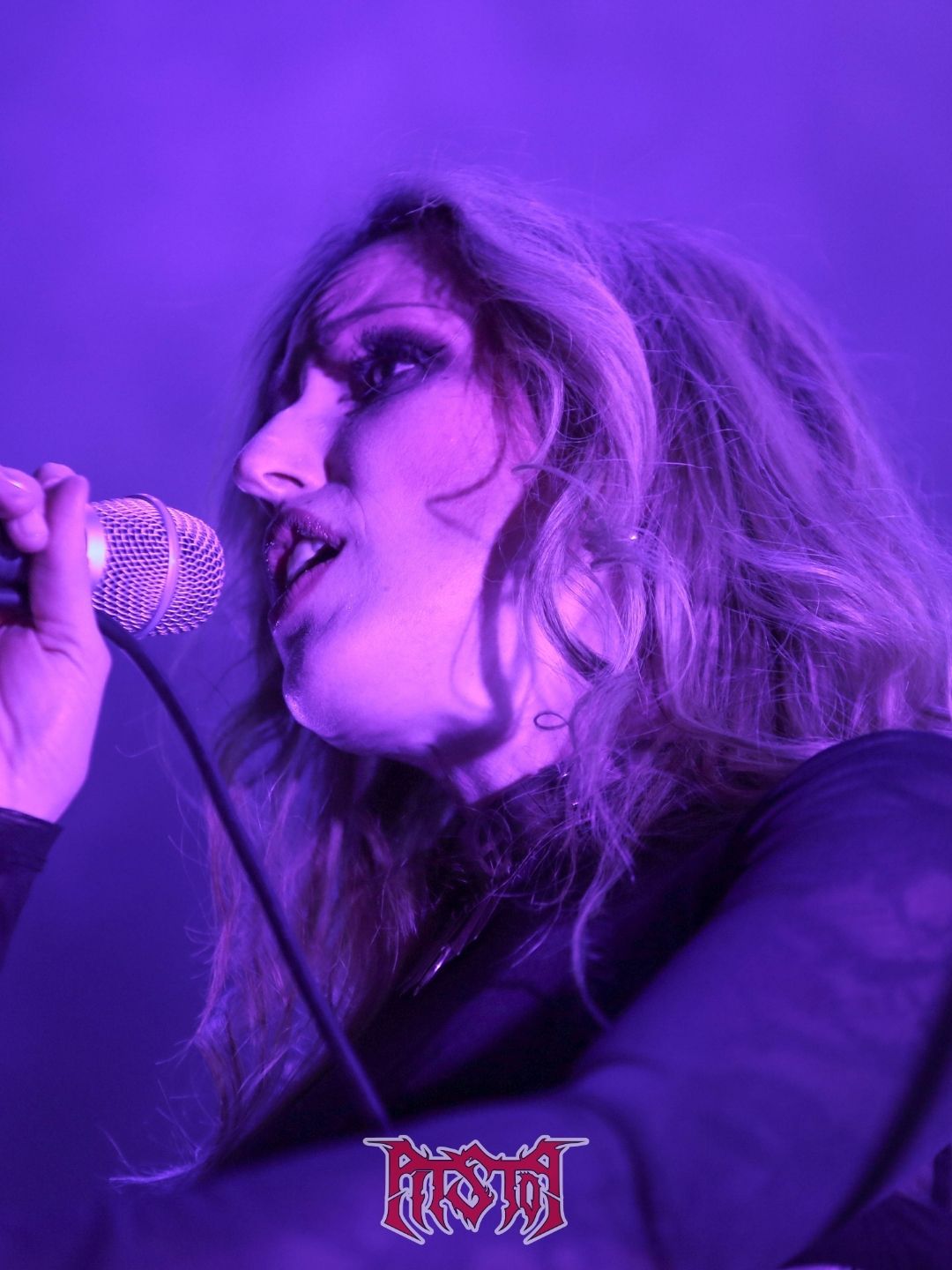
This did not feel like an exaggerated metaphor, as the structure of the performance was not linear. As the pieces connected, time did not move forward in a straight line—it layered itself. Particularly in the sections where the vocals came to the forefront, the sound seemed to move through the stands themselves.
The strongest aspect of the night was the gradual erasure of the boundary between performance and participation. At a certain point, the music ceased to be something coming solely from the stage; it became a shared vibration forming within the stands. The moments where thousands fell silent and then moved into rhythm simultaneously felt less like staged cues and more like spontaneous emergence.
This sense of synchronicity outweighed any technical considerations of the concert. The issue was no longer sound clarity or set progression, but the organization of collective perception. Even the stone surface of Harbiye became part of this organism—no longer a passive reflector of sound, but an active field of resonance.
Naturally, such intensity came with a consequence: the perception of time became blurred. In the later parts of the concert, the pieces began to merge into one another, and the boundaries between beginnings and endings lost their meaning. This did not feel like a shortcoming, but rather a deliberate choice.
Leaving the concert, what remained was not a conventional setlist or performance memory. It was a feeling embedded within the venue itself. Some concerts entertain, others truly make you feel. This night was unmistakably the latter.
Şafak