ALBUM REVIEW
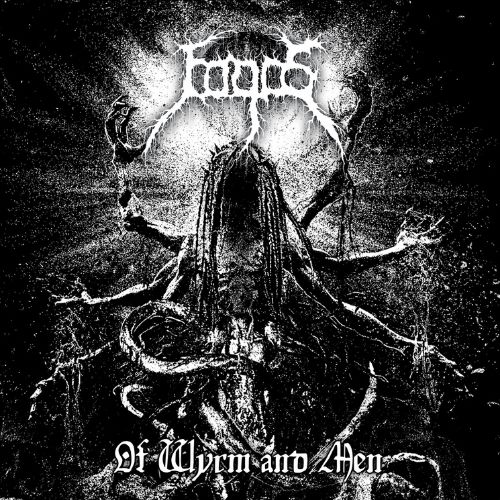
FOGOS – Of Wyrm And Men
Fierce Swedish black metal with atmospheric detours.
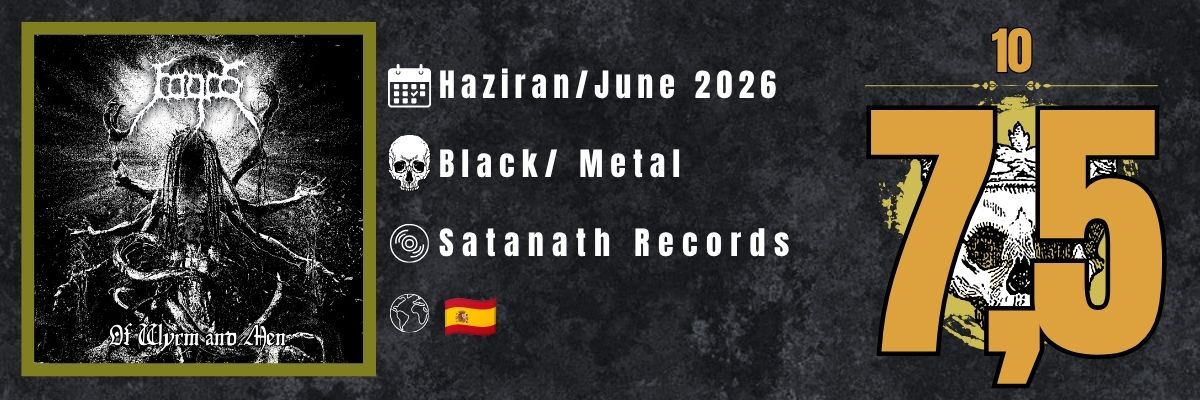
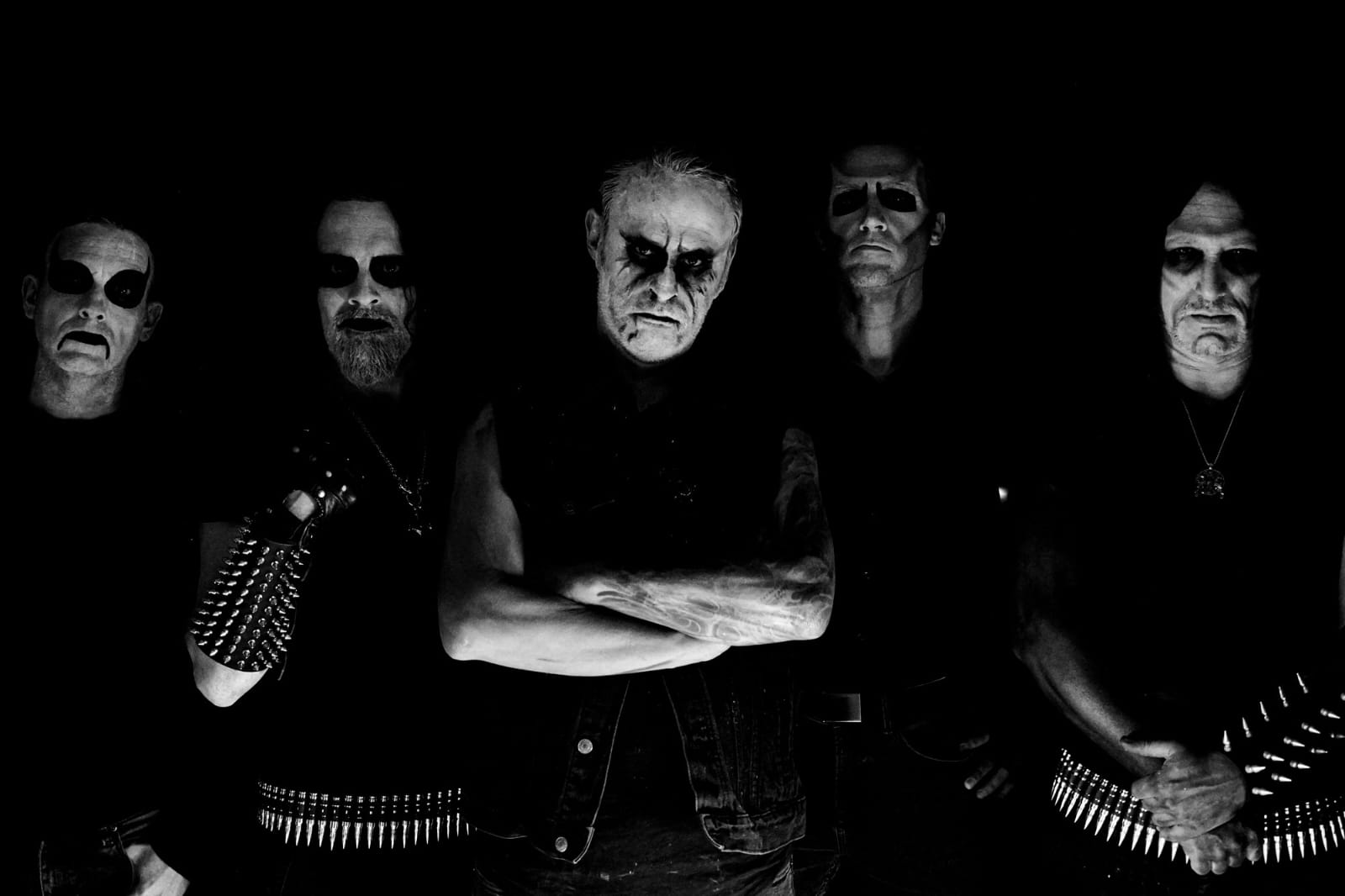
After the Galatasaray–Barcelona match, I honestly don't want to hear anything about this city for a while. FOGOS, of course, are an exception. They're old friends of ours. I've been following the band since their debut, "Corpses and Ashes", and I was delighted to hear that a new album was on the way. That said, I have to admit that a four-year gap is a long time to wait. As for their second full-length, "Of Wyrm And Men", its allegiance to the Swedish black metal tradition of the '90s is apparent from the opening riffs. The cutting melodies of the tremolo-picked guitars, extended stretches of blast beats and harsh, feral vocals make the band's musical roots unmistakable. The aggression of MARDUK during the "Panzer Division Marduk" and "Heaven Shall Burn... When We Are Gathered" eras provides a useful reference point for understanding the album's influences. However, viewing FOGOS merely as followers of that legacy would mean overlooking the changes taking place across these nine tracks.
The raw, dark approach established on the Barcelona-based band's 2022 debut, "Corpses And Ashes", remains intact here. The greater emphasis on melody and atmosphere gives the songwriting more variety. While the guitars rely largely on fast tremolo-picked passages, the melodies are more than mere accompaniments to the relentless pace; they become key elements in shaping the music's cold, unsettling character. Nevertheless, the frequent recurrence of similar riffing approaches and comparable rhythmic intensity points to certain compositional limitations. FOGOS are proficient at wielding the genre's fundamental tools, but they have yet to consistently transform them into a musical language distinctly their own.
Opening track 'Wyrm' introduces the album's aggressive side with direct blast beats and sharp-edged guitar melodies. Requiring no unnecessary buildup, the track immediately draws the listener into the band's traditional black metal approach, driven by harsh, abrasive vocals. 'Circlefall' follows by combining high-speed aggression with melodic movement. Rather than relying solely on the intensity generated by sheer velocity, its guitar lines also have a memorable character of their own. Still, as the formula established by these two tracks reappears in various forms throughout the album, it becomes increasingly difficult to sustain the full impact of that initial burst of energy.
The self-titled 'Fogos' stays closer to the more primitive, direct approach of the debut. By foregrounding raw riffing without entirely abandoning melodic detail, it represents the band's continued connection to its roots. 'Balar', meanwhile, shifts the album onto different rhythmic ground with a heavier, more deliberate gait. Its mid-tempo passages demonstrate that the music can maintain its threatening character without constantly relying on speed. Here, the interplay between bass and drums provides a more substantial foundation against the overlapping melodic movements of the guitars. However, rather than developing an entirely new compositional approach, this shift ultimately amounts to presenting the band's existing aggression through a different rhythmic framework.
'Faun' is one of the tracks that explores the album's melodic and atmospheric dimensions on a broader scale. Its expansive guitar passages and varied vocal techniques show that the band is not intent on relying obsessively on raw speed alone. The clean vocals and choral passages accompanying Saten Haz Im Nu's harsh screams reinforce the music's pagan overtones. The value of these choices lies in their ability to broaden the track's emotional range without abandoning the traditional black metal vocal style altogether. Even so, for these sections to have a greater impact, the melodic development needs to do more than establish an atmosphere; it should also shape the direction of the compositions more decisively.
'Messiah' and 'Näga' represent the album's more direct, aggressive, old-school black metal side. Speed, sharp-edged guitars and harsh vocals dominate these tracks, with the arrangements prioritising an immediate expression of aggression over extended atmospheric passages. Although this approach fits comfortably within the genre's traditions, it adds little to the musical identity already established elsewhere on the album. The succession of similar riff patterns and relentlessly forceful drumming occasionally blurs the distinctions between individual tracks. FOGOS' committed performances preserve their impact, but a convincing performance and distinctive songwriting are not the same thing.
'Nezha' raises the energy again as the album approaches its closing stretch, making an impression with a martial opening. Short, sharp rhythmic turns add movement to the track, while the vocals sit prominently in the mix, reinforcing its aggression. The directness on display demonstrates how effectively FOGOS can execute a traditional black metal approach. Nevertheless, the track's energy does not translate into a structure that stands out in any substantial musical way from what has come before.
The closing track, 'Babel', is a more significant exception in this respect. Its expanding atmosphere and more grandiose arrangement move away from the predominantly aggression-driven approach of the preceding tracks. The Catalan-language passages and melodic phrasing reminiscent of classic heavy metal mark moments when the band steps outside familiar black metal conventions. This choice does more than give the track a different colour; it also demonstrates how the melodic potential occasionally glimpsed throughout the album could be developed more fully. Considered alongside 'Faun', 'Babel' suggests that FOGOS could establish a more distinctive identity by bringing atmospheric elements and vocal variety further into the heart of their songwriting.
The production also shapes this dual character. Recorded and mixed by Javi Félez at Moontower Studios, the album allows the melodic details of the guitars and the intensity of the rhythm section to remain clearly discernible. At the same time, this clarity does not fully capture the murky, suffocating quality associated with the rawer black metal recordings of the '90s. The result retains the aesthetic of classic Scandinavian black metal while offering greater separation between the instruments. This is not inherently a problem, but the music's character is still defined more by the application of familiar genre conventions than by a distinctive production approach of its own.
"Of Wyrm And Men" shows FOGOS expanding on the approach established on their debut, exploring different possibilities particularly through its melodic and atmospheric passages. Even so, that development is not equally apparent across every track. The band handles the Swedish black metal tradition of the '90s with confidence, but its relationship with MARDUK and similar pioneers occasionally overshadows its own identity. 'Faun', and especially 'Babel', offer concrete indications that these limitations can be overcome, while the more straightforward tracks expose the repetitive tendencies the band has yet to leave behind. Ultimately, this is an album for listeners drawn to the speed and ferocity of old-school black metal, with occasional glimpses of a broader artistic scope. FOGOS' next step should be to turn that potential from a source of variety confined to a handful of tracks into a more recognisable musical identity that runs throughout their songwriting. And, of course, they should try not to make us wait another four years to hear it.
