Album Review
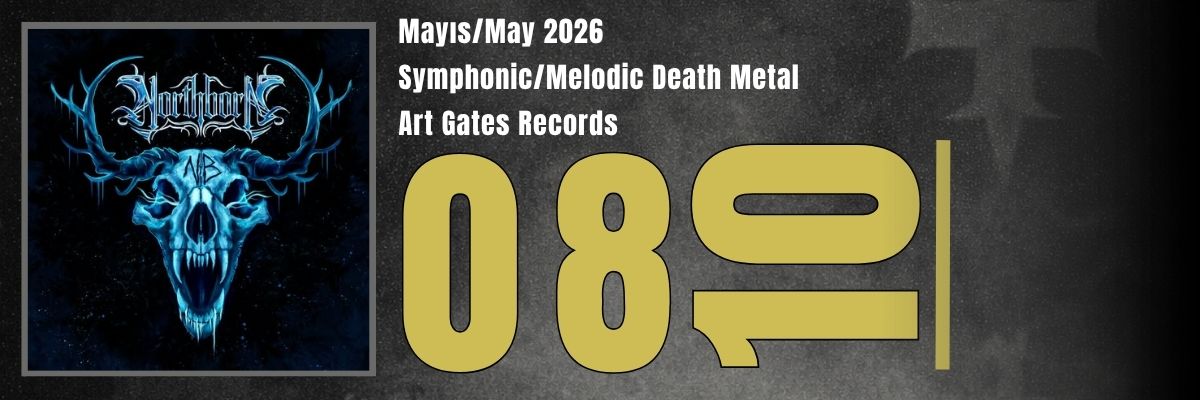
Northborn - Northborn
A significant portion of modern melodic death metal still revolves around the Scandinavian formula established in the early 2000s; however, while many bands merely use that legacy as an aesthetic shell, NORTHBORN chooses to lean structurally into the compositional logic of that era on its debut album. “Northborn” very clearly carries the characteristic traits of the Finnish melodic death/symphonic metal tradition in particular: expansive keyboard layers, dual-guitar harmonies, controlled aggression, and epic atmospheric construction. The album’s core approach is built less on technical exhibitionism and more on creating atmospheric continuity. Because of this, the riffs often function not as the dominant force driving the songs, but as guiding backbones embedded within the symphonic textures.
Opening track ‘Hymn of the North Star’ establishes the album’s aesthetic framework with considerable clarity. The song initially unfolds through broad keyboard layers that create an almost ceremonial sense of emptiness, before tremolo-driven guitar movements and death metal vocals harden that space. The crucial point here is the band’s method of creating contrast. NORTHBORN constructs transitions not through sudden ruptures, but by increasing the density of its layers. However, this approach does not always work with the same level of effectiveness; in some sections, the dramatic crescendos feel less like the natural outcome of composition and more like calculated moves designed to fulfill the genre’s requirements.
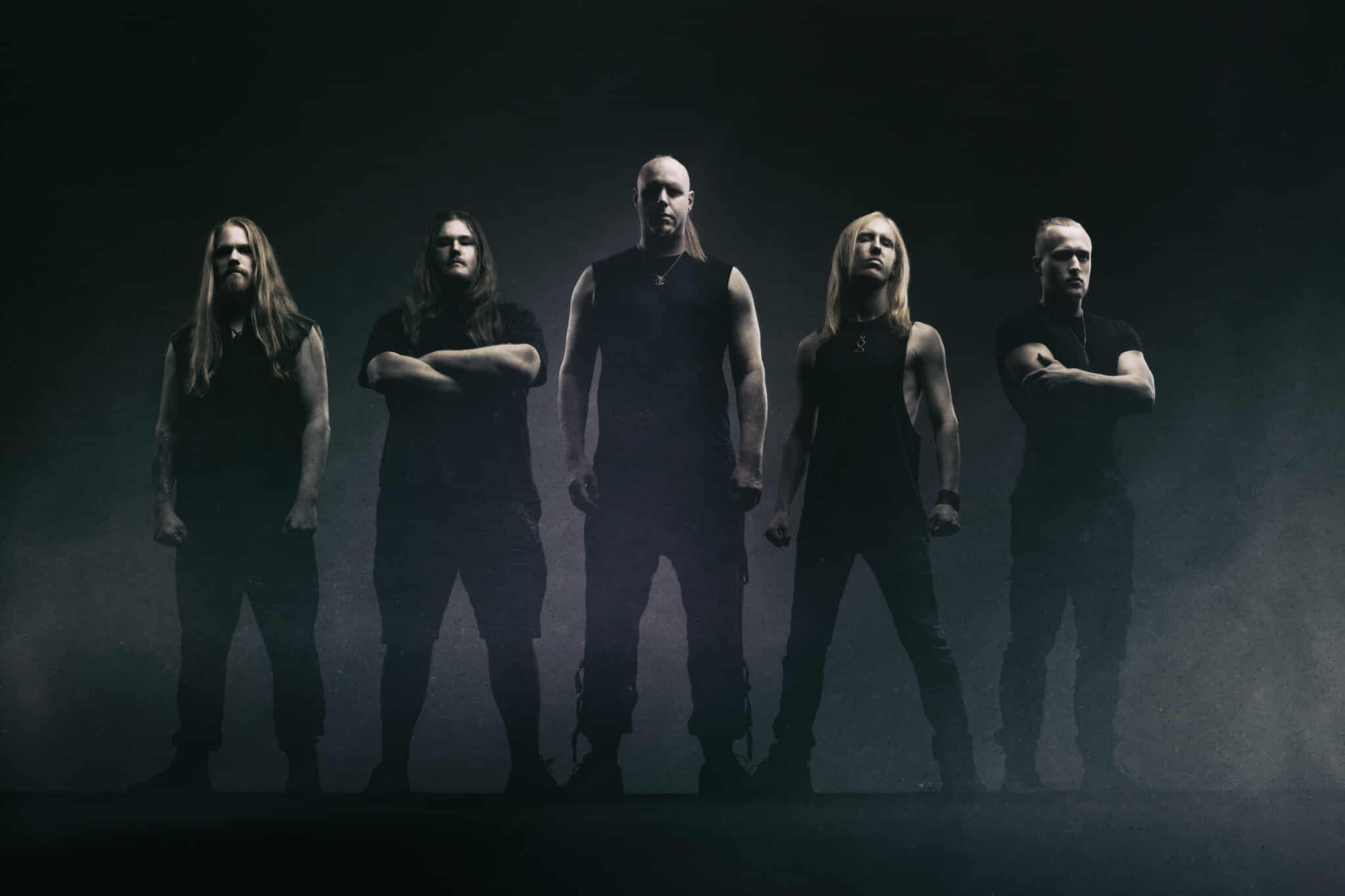
Björn Larsson handling both vocals and keyboards directly shapes the album’s identity. His growl style remains close to the classic melodic death metal tradition; rather than opting for an excessively muddy or brutal approach, the vocals emphasize clarity and rhythmic articulation. This becomes especially important during the symphonic sections, because the vocals are positioned not purely as an aggressive element within the mix, but as one of the atmosphere’s primary carriers. The occasionally narrative-driven semi-theatrical vocal tones strengthen the album’s epic dimension as well, though the band succeeds in employing them without slipping into exaggerated power metal theatrics.
On the guitar front, Ture Aspelin and Tobey Lagerqvist base their approach largely on harmonic cohesion. The dual-guitar arrangements speak the familiar language of melodic death metal, particularly through lead melodies that evoke early-era Children of Bodom and Kalmah. Even so, the album often behaves too cautiously. While the riffs are technically functional, moments dissonant enough to create friction or rhythmically risky passages rarely emerge. As a result, the album maintains its fluidity while simultaneously remaining within a notably safe zone. On faster tracks such as ‘Fireborn’ and ‘The Wolf’s Curse’, the drums’ almost militaristic precision keeps the momentum alive, yet the rhythm section’s failure to produce sudden dynamic shifts capable of breaking that pressure occasionally causes the songs to become linear.
The album’s true center of gravity reveals itself in its ability to construct atmosphere. ‘Children of the Frost’ and ‘The Fimbul Scourge’ support their cold tonality not only through melody, but also through production choices. The mid-frequency-heavy guitar tones and the keyboards’ slightly misted placement in the mix prevent the songs from turning into sterile modern metal productions. Folkloric influences are also noticeable here, yet the band never transforms them directly into a folk metal aesthetic. The melodic motifs function more as background elements deepening the northern atmosphere. This is an important choice, because the album’s mythological aspect remains embedded within the compositional structure itself, rather than feeling like decorative costume work.
‘Yokai of the Lake’ stands as one of the album’s most striking points of rupture. The track briefly opens the northern European tonal framework toward different scales and more exotic melodic textures. However, this experimental move feels less like a radical intervention reshaping the album’s overall identity and more like a controlled deviation. Although NORTHBORN avoids using different cultural references as superficial ornamentation, the compositional logic of the track still ultimately returns to the melodic death metal skeleton the band is most comfortable with. In other words, the experimental element colors the atmosphere, but never becomes central enough to fundamentally reshape the riff writing or structural language.
The album’s primary issue as it progresses is its lack of surprise. ‘Dreamhaunter’ and ‘Helldamned’ are not weak tracks by any means; on the contrary, the band maintains its songwriting discipline here. Yet because most of the compositions repeat similar dramatic rise-and-fall patterns, a certain predictability begins to emerge in the second half. NORTHBORN’s greatest strength — its atmospheric continuity — simultaneously exposes the album’s reluctance to take risks. The band protects its tonal world with great care, but this controlled approach sometimes causes the songs to feel overly similar to one another.
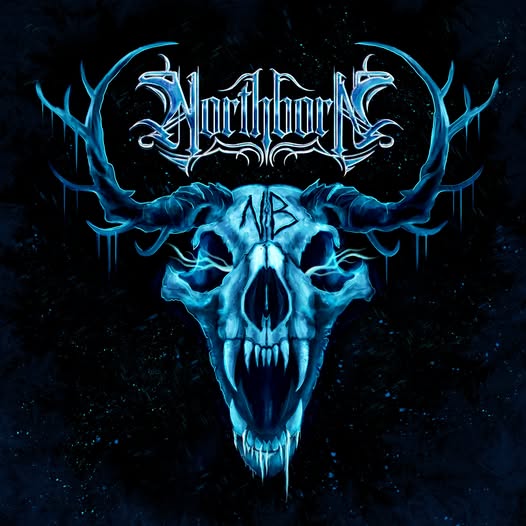
The visual and aesthetic direction also reinforces this aspect of the music. The album’s language, centered around northern mythology, creates a cohesive identity that never conflicts with the musical structure. The important point here is that the visual aesthetic never attempts to overshadow the music itself. Rather than turning its image into some kind of “fantasy universe spectacle,” NORTHBORN uses it as a complementary framework that supports the sense of cold atmosphere and epic scale. This helps preserve the album’s sincerity.
“Northborn” does not create a revolutionary rupture within the modern symphonic melodic death metal scene; then again, that is clearly not the album’s intention. The band is instead attempting to reconstruct the genre’s early-era character through a contemporary production mindset. From a technical standpoint, this approach is largely successful, yet the album’s most striking moments stem primarily from atmospheric intensity rather than structural boldness. At this stage, NORTHBORN does not sound like a band that has fully separated its own identity from its influences, but rather like a group consciously and skillfully synthesizing them. For that exact reason, the album stands out as a reliable and consistent work within the increasingly sterilized symphonic wing of modern melodic death metal — though it also clearly suggests that achieving truly transformative weight in the future will require more tension, greater risk, and more pronounced structural fractures.
OZY
https://www.facebook.com/northbornswe
https://www.instagram.com/northborn.official