
ALBUM REVIEW
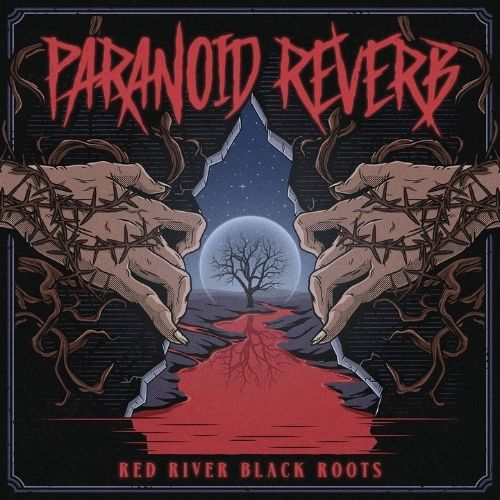
PARANOID REVERB - Red River Black Roots
Searching for balance between weight and space
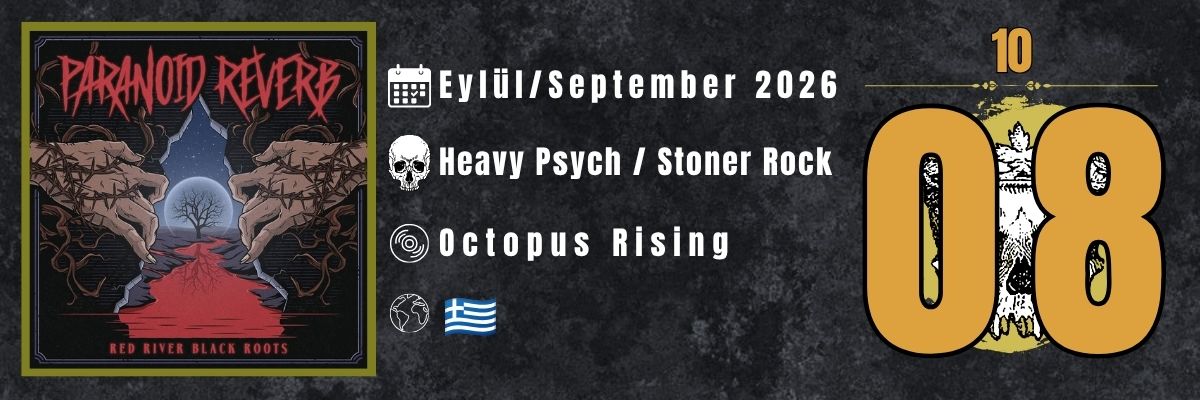
Considering Thessaloniki’s position within the heavy psych and stoner rock scene, PARANOID REVERB’s second album, "Red River Black Roots", emerges from familiar musical territory. Arriving after a six-year hiatus, the album builds a dark narrative rooted in Greek mythology, treating collapse and rebirth as parts of the same cycle. “Red River” represents destruction moving ever downward, while “Black Roots” symbolizes the new beginning emerging from that destruction. The tension created by this movement within the music itself clearly reaches far beyond a merely thematic framework.
‘Acantha’ opens the door to this world without rushing. Weighted down by fuzz, the guitars and rhythm section move through different levels of intensity rather than anchoring the song around a single riff. This approach also defines the album’s overall character: instead of simply making its heavy riffs bigger through more distortion and volume, PARANOID REVERB place space, tempo shifts and psychedelic transitions between them. With ‘0315’, the rhythm becomes tighter and more forward-driving, while the role of the bass becomes increasingly apparent. The bass is not a supporting element buried beneath the guitars; it is one of the key layers carrying the physical weight of the songs and pushing the groove forward.
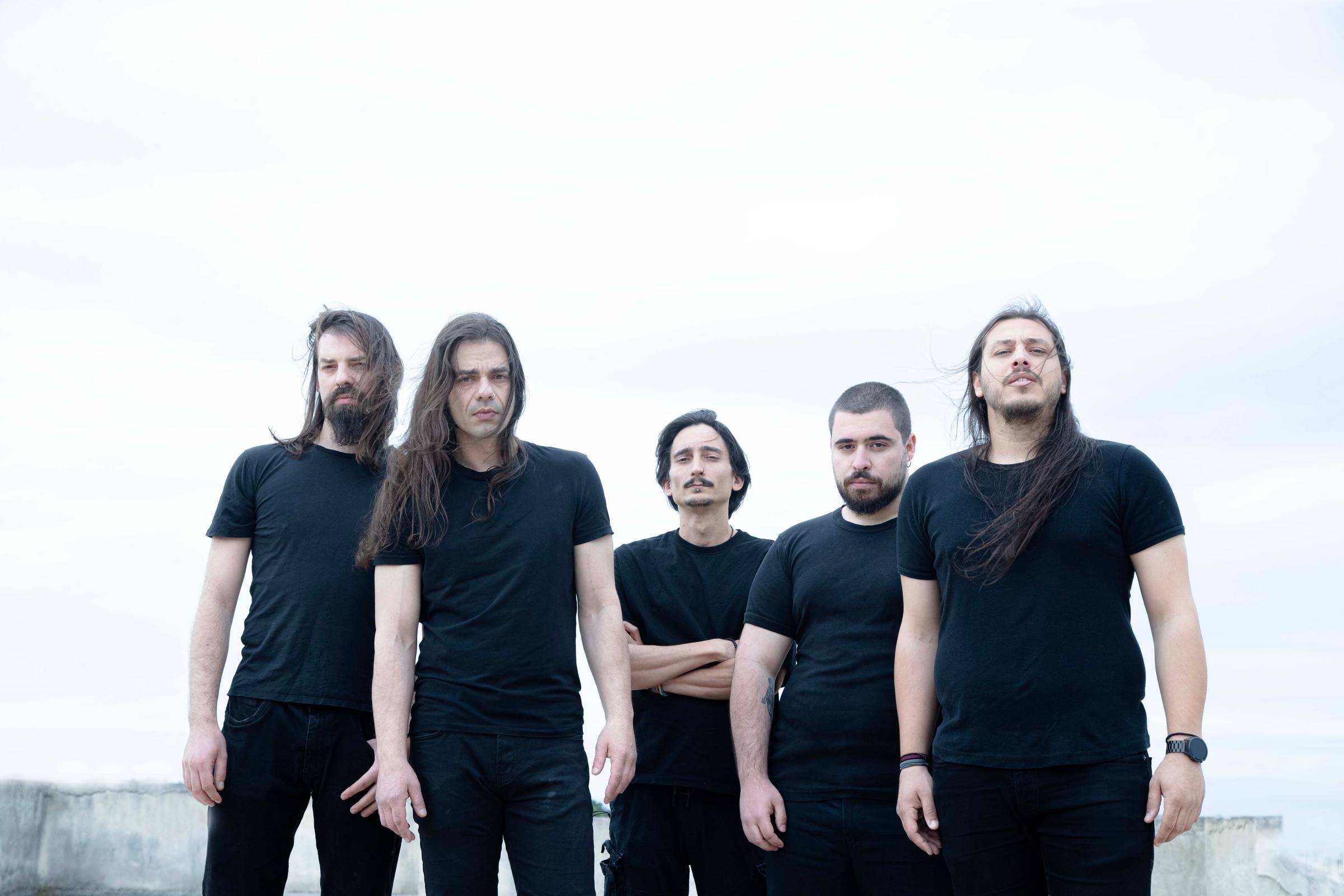
That is why the album’s strongest moments emerge when the band attempts to stretch the genre’s established framework. As ‘Da Capo’ gradually intensifies after its quieter opening, PARANOID REVERB demonstrate that heavy music does not always need another riff to maintain its weight. The drop in tempo, the arrival of clean guitars and the broader atmospheres do not diminish the music’s heaviness; on the contrary, they increase the impact of the aggression that follows. ‘Red River’ is built around a more direct groove, while ‘Come Undone’ opens up the space and brings the vocals to the forefront. The vocal character, leaning toward blues rock and grunge, combines with Manos Gotsis’ lower, rough-edged delivery to give the band’s music a more human side than expected. The occasional use of a different vocal approach also creates a functional contrast that sets the faster tracks apart from the rest.
That said, "Red River Black Roots" does not make equally meaningful use of all of its length. Heavy psych’s reliance on repetition and atmosphere sometimes gives the band too much room to linger; particularly in the longer passages, maintaining the same intensity for longer than necessary occasionally loosens the tension the songs have built. The seven-minute-plus ‘QuickSand’ is the clearest example. Although the contrast it establishes between more spacious sections and its dense chorus is meaningful from a songwriting perspective, the production does not open up that difference enough. The album’s generally organic and raw character clashes here with an overly compressed mastering approach, while the bass and downtuned guitars occupying the same frequency range also reduce the depth, particularly in the denser sections.
This issue does not undermine the album’s overall sonic approach. On the contrary, it is clear that PARANOID REVERB have opted for a physical, warm sound with the midrange pushed forward rather than producing polished, sterile heavy psych. The natural feel of the drums, the fuzz character of the guitars and the arrangements that occasionally pull back all support this approach. The problem is less the rawness itself than the fact that some layers come too close together in certain sections. Tracks such as ‘Da Capo’ and ‘Red River’ make better use of dynamic range, allowing their heavier sections to genuinely expand, while ‘QuickSand’ is deprived of the same advantage.
Even so, the album’s identity cannot be explained simply through its similarities to KYUSS, BLACK SABBATH or the contemporary heavy psych scene. Those influences are particularly audible in its riff and groove language, but the band’s real distinguishing feature lies in its ability to use this material at different levels of intensity. Doom, sludge, blues rock, grunge and ambient/post-rock touches are not individually groundbreaking, but their function within the songs changes. At times the groove takes the lead, at others the guitars create the atmosphere, while elsewhere the vocals pull the entire arrangement into a different shade.
For that reason, "Red River Black Roots" is not an album that redraws the boundaries of its genre. More interestingly, PARANOID REVERB do not turn familiar heavy psych ingredients into a monotonous fuzz showcase. The album’s greatest strength is not the abundance of new ideas, but its ability to maintain a balance between weight and space for most of its duration. A tighter editorial approach in places and a more open mix could have increased the impact of the longer tracks in particular. Nevertheless, the result is a second album that does more than simply repeat Thessaloniki’s stoner tradition, establishing a dark, organic and dynamic heavy psych identity and gaining character from its choices as much as from its flaws.
