
ALBUM REVIEW
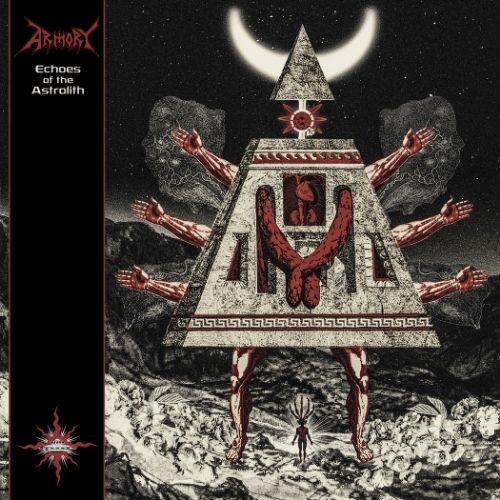
ARMORY – Echoes of the Astrolith
Classic speed metal meets science fiction.

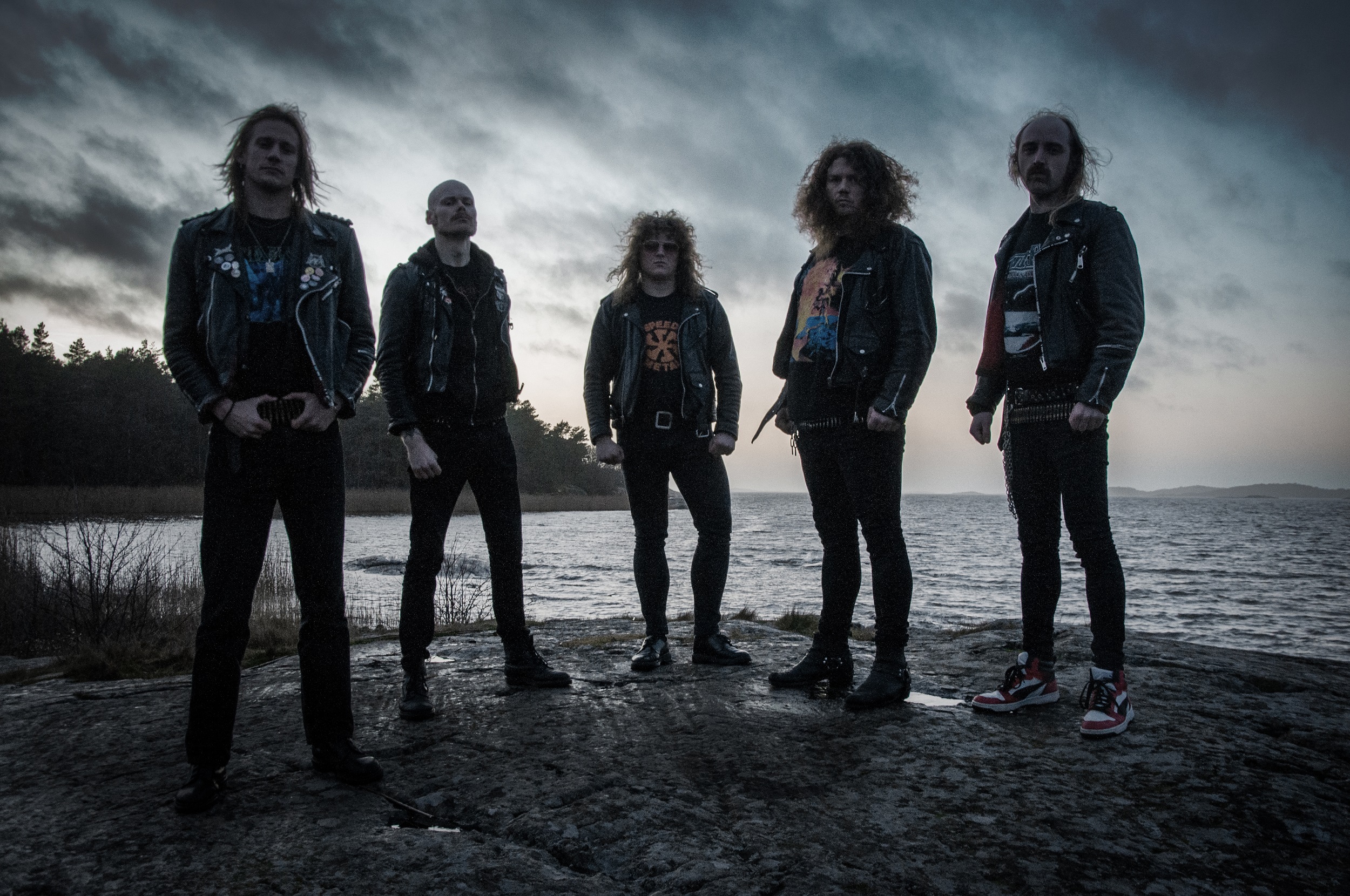
Sweden and speed metal. When I think of the country's metal scene, speed metal isn't exactly the first thing that comes to mind. ARMORY, however, challenges the assumptions of listeners who approach the subject with a similar bias. On their fourth studio album, "Echoes of the Astrolith", the band continues to combine the speed metal sensibilities of the 1980s with a science-fiction aesthetic. One significant change in ARMORY's career has taken place behind the microphone. Following the departure of Petrus Andersson, who handled vocals on the band's previous recordings, Chris Rostoff has taken over vocal duties. He retains the high-pitched approach while bringing a more controlled delivery that gives the songs a different dimension. The change doesn't redefine ARMORY's established musical identity; instead, it allows the band to present the sound they've been developing for years with greater maturity.
Opening track 'Return of the True Godz' immediately establishes the band's priorities through rapid drum fills, sharp guitar riffs, and soaring melodies. Gustav Sundin and Niclas Ingelman's guitars combine the high-speed riffing of classic speed metal with harmonized melodies and more technically adventurous passages. Rather than becoming showpiece sections detached from the songs themselves, the solos complement the energy of the riffs. August Holmström's drumming also creates momentum through more than sheer speed; his choice of fills and rhythmic shifts help shape the direction of the compositions. Jesper Lundin's bass, meanwhile, adds a tangible sense of weight, particularly in the heavier sections, providing a solid foundation for arrangements in which the guitars take center stage.
The roots of this musical language can be traced directly to the classic periods of bands such as AGENT STEEL, HELSTAR, EXCITER, and JUDAS PRIEST. High-pitched vocals, rapid-fire guitar work, and melodic solos carry the speed metal tradition of the 1980s into the present. ARMORY's songwriting, however, isn't simply a matter of recycling familiar formulas from the past. The guitars occasionally venture into more complex harmonies and progressive transitions, incorporating touches reminiscent of VOIVOD's technical approach and giving the music additional room to move. These elements don't undermine the directness of traditional speed metal; on the contrary, they keep the songs from becoming monotonous as they maintain their high-speed momentum.
'Interceptor Squadron' is among the tracks that bring the album's defining characteristics together most efficiently. Its memorable chorus, nestled between high-octane guitar passages, ensures that technical prowess never overshadows the songwriting. 'Frequencies of Terror' takes an initially unorthodox direction before quickly settling into familiar ARMORY territory, with Rostoff's varied vocal tones complementing the guitars' restless interplay. After its fast opening, 'Sanity Disposed' shifts gears midway through, settling into a heavier groove. This passage demonstrates that the band's intensity isn't dependent on maintaining maximum speed at all times. Such transitions are among the moments when the album puts its technical proficiency directly in service of the compositions.
The slower-paced 'Cosmic Dreams' reveals another side of this approach. Its mysterious atmosphere and more measured progression show how the high-pitched vocals and melodic guitars can function in a different context. Rather than constantly accelerating, the arrangement sustains tension in a controlled manner, lending greater meaning to the faster passages elsewhere on the album. The balance ARMORY strikes here matters, because speed metal's energy depends not only on how quickly the notes are played, but also on knowing when to pull back.
'The Final Invention' and 'Pillars of Fire' extend this flexibility through longer structures and more expansive sections. In both tracks, melodic vocal lines, guitar harmonies, and more elaborate transitions come together in arrangements that reinforce the science-fiction atmosphere. This approach recalls the cosmic themes of AGENT STEEL's early work while bringing ARMORY's technical side into sharper focus. The instrumental 'Omens', meanwhile, removes vocals from the equation entirely, allowing the guitars and rhythmic shifts to take the foreground. Its progressive passages demonstrate that the band can hold attention through instrumental arrangements as well as vocal melodies.
The album's space-themed identity extends beyond the imagery suggested by its song titles and lyrics. Rapid guitar melodies, high-pitched vocals, and arrangements that occasionally change direction give the music a character that fits its science-fiction aesthetic. Rather than turning classic heavy metal's theatricality into a showcase for modern production, this visual and thematic world rekindles the imagination that was part of metal culture in the 1980s. ARMORY's achievement here lies in making science fiction an organic part of their songwriting rather than a decorative layer added on top of the music.
That said, the band's musical boundaries remain clearly defined. "Echoes of the Astrolith" doesn't attempt to challenge the genre's fundamental principles or radically alter the established speed metal template. Its experimental passages and more complex transitions serve not to break away from the band's established musical direction, but to add variety within it. The album's originality, therefore, lies less in pursuing radical innovation than in bringing together the melodic, technical, and atmospheric possibilities of traditional speed metal within a cohesive compositional framework. ARMORY's longstanding underground identity complements this approach; amid the ongoing revival of classic metal, the band continues to follow its own course.
"Echoes of the Astrolith" is a cohesive effort that combines the old-school energy of speed metal with more intricate songwriting. Chris Rostoff's vocals, the guitars' fast-paced melodic interplay, the rhythm section's shifting tempos, and the science-fiction aesthetic all reinforce one another. ARMORY isn't inventing something new by pushing the genre's boundaries, but the band demonstrates just how much variety can be found within them. For those who miss the high-pitched vocals, breakneck riffs, and melodic guitar work of classic speed metal, that's where this album's appeal lies: rather than merely repeating the forms of the past, it shows that they can still feel alive and creatively productive.

https://www.instagram.com/armorysweden/