ALBUM REVIEW
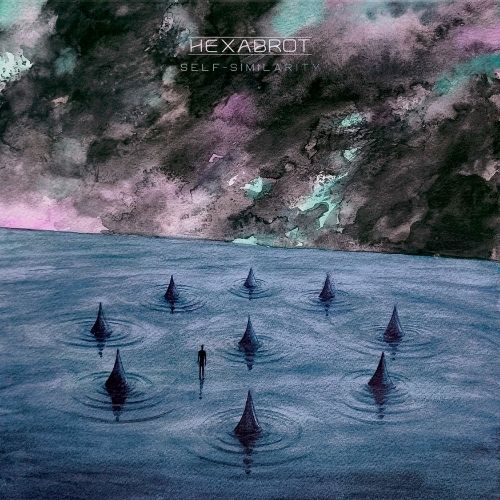
HEXABROT – Self-Similarity
Melodic death metal expands through progressive experimentation.
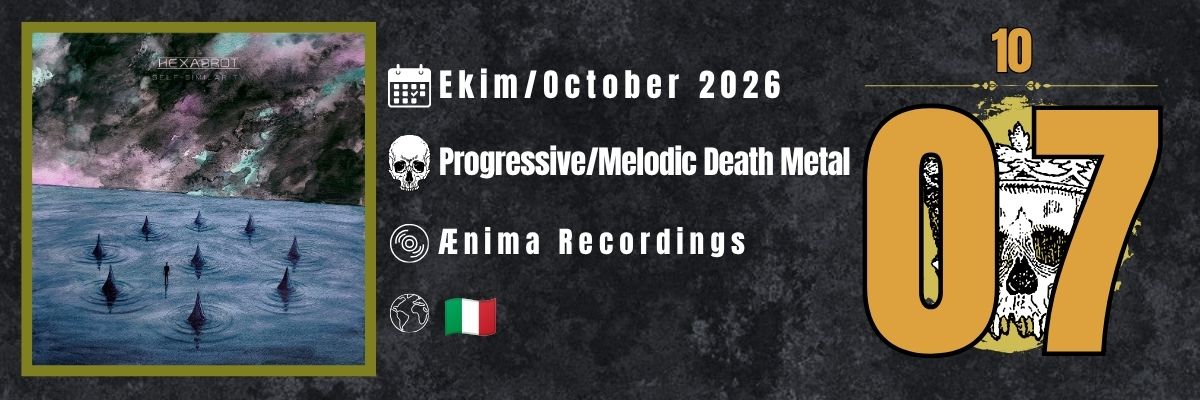
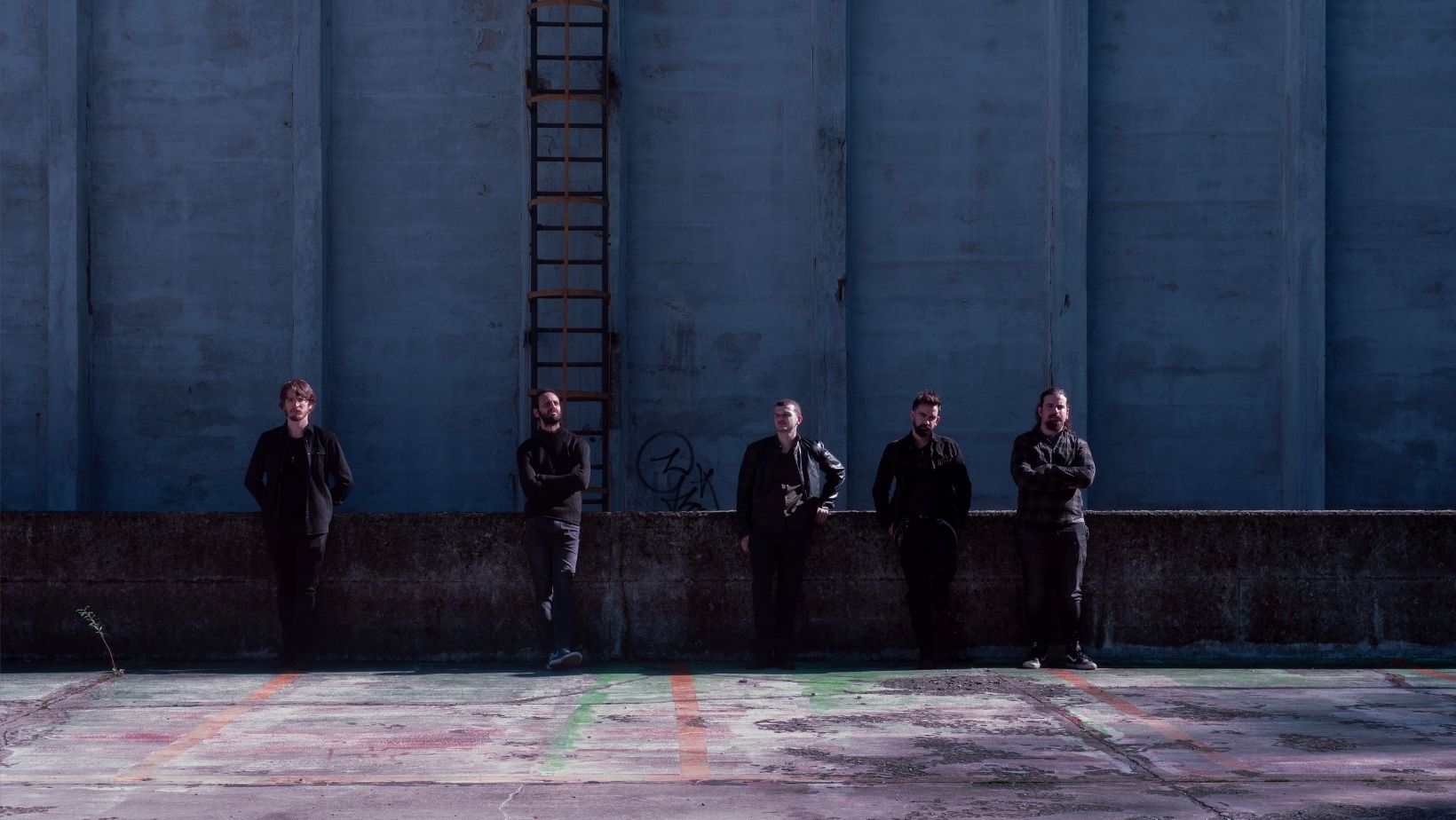
HEXABROT hail from Turin, and with “Self-Similarity”, their first full-length album following the 2025 EP “The Order of Things”, they combine the aggression of melodic death metal, built around familiar harmonies, with the broader expressive possibilities of progressive metal. Across its ten tracks, keyboards, clean vocals, guitar harmonies and, at times, unconventional instrumental choices reminiscent of Sadist, one of the pioneering bands of the Italian death metal scene, go beyond simply complementing the heavier riffs and help shape the compositions themselves. Yet this diversity does not always translate into an equally cohesive musical whole.
The opening track, ‘Time Zero’, pairs heavy guitars with keyboards, representing the album’s more aggressive side through its fast pace and technical thrash metal leanings. ‘Signs’ then takes a different direction, embracing a modern progressive metal sound with a greater emphasis on clean vocals. The contrast between these two tracks shows that HEXABROT are unwilling to stick to a single compositional formula. ‘Chimeras of Me’, meanwhile, combines a mid-paced melodic death metal framework with guitar harmonies and clean vocals, striking a more balanced relationship between heaviness and melody. The choral vocals also reinforce the music’s contemplative and atmospheric qualities.
One of the album’s most distinctive moments, ‘Bleib Bei Mir’, retreats into calmer territory, built around clean guitars and an emotive vocal delivery. The saxophone on the fourth track, alongside touches of piano, takes the arrangement beyond the conventions of melodic death metal. This choice is more than just the addition of a surprising instrument; it contributes to the song’s melancholic character. Its melodic approach, which recalls early OPETH while reaching towards classic progressive rock, demonstrates that HEXABROT can explore expressive territory beyond sheer heaviness.
By contrast, the music grows heavier again on ‘Loss of Perspective’, turning towards the more direct and crushing side of modern metal. Harsh vocals and the restrained use of keyboards create a contrast that suits the track’s mood. However, the transitions between the album’s different directions do not always feel equally natural. The progressive metal ambitions are sometimes apparent in the use of unconventional instruments and clean vocals, but they are not consistently reflected in complex songwriting or clearly defined structural shifts across every track. As a result, the album’s attempt to bridge different genres occasionally amounts to a search for variety that takes precedence over a cohesive musical identity.
At around eight minutes, ‘Disguised Extinction’ is one of the moments when HEXABROT bring these different elements together in a more expansive composition. The calmer passages, shaped by clean vocals, guitars and an audible bass line, create space for the heavier sections, while the structure broadens through progressive metal, doom and jazz influences, giving the track a clearer sense of direction. The song’s narrative, which deals with the misuse of scientific progress for corporate interests, also creates a meaningful connection between its different musical passages. Here, atmospheric transitions are used not merely to shift the pace or intensity, but to support the track’s dramatic development.
‘The Crevasse’ continues the album’s tonal diversity with an arrangement that gives keyboards and clean guitars more room. Its combination of melodic death metal reminiscent of At the Gates and progressive touches influenced by Tool lends the track a dynamic character. Despite its shorter, more direct structure, ‘Rose’s Chant’ is equally striking. Elements drawn from the folk music of southern Italy bring a distinctive colour to the familiar boundaries of melodic death metal. Its lyrics tell a story of revenge in the aftermath of violence and abuse, but rather than steering the listener towards an easy moral conclusion, the song brings the cycle created by violence into focus.
‘Final Call’, towards the end of the album, brings together clean vocals, keyboards and choral arrangements with heavier riffs for an expansive finale. Centred on the idea of confronting death and bargaining for life, the song develops the traumatic narrative established in its opening section into a more grandiose musical framework as it progresses. This approach makes HEXABROT’s desire to extend the heaviness of melodic death metal into more symphonic and progressive territory particularly clear.
“Self-Similarity” reveals both the potential and the areas for growth of a band attempting to bring different musical languages under one roof on its debut full-length. The interplay between clean and harsh vocals, the use of keyboards and the expansive structures of tracks such as ‘Disguised Extinction’ show that HEXABROT have no desire to remain confined within the genre’s familiar formulas. On the other hand, the fact that these ideas do not come together with the same cohesion in every composition occasionally limits the album’s impact. With a more consistent approach to songwriting, a deeper exploration of progressive metal’s possibilities could help the band develop a more distinctive identity without abandoning its melodic death metal foundations. For now, “Self-Similarity” is a noteworthy debut, particularly for listeners drawn to OPETH’s melodic and atmospheric periods alongside modern melodic death metal.

https://hexabrot.bandcamp.com/
https://www.facebook.com/p/Hexabrot-61560824128823/
https://www.instagram.com/hexabrotband/