ALBUM REVIEW
BESTIA ARCANA - Holókauston
Occult Ritual Storm
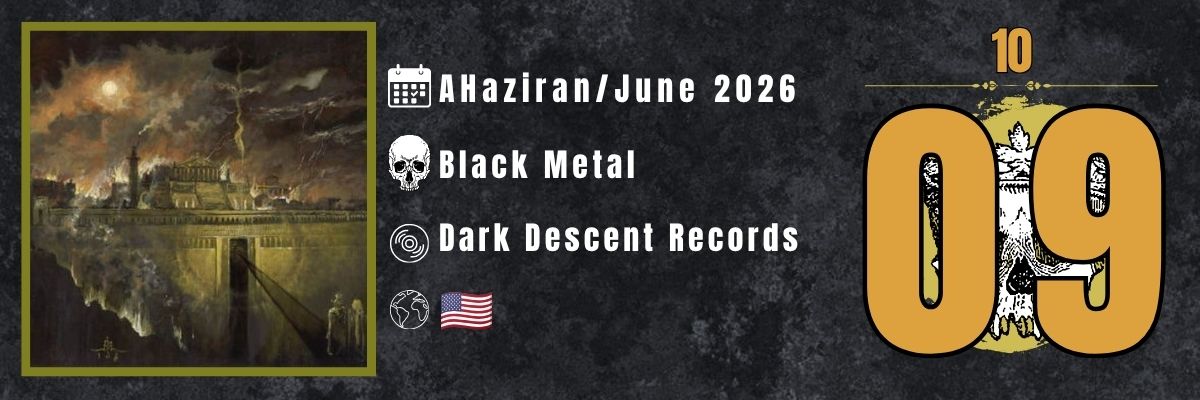
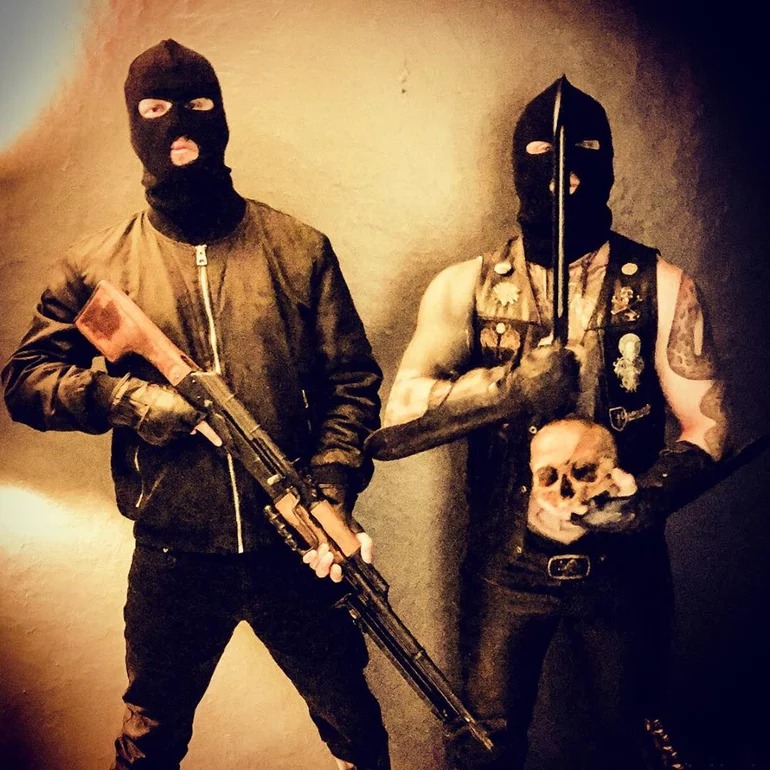
BESTIA ARCANA is an entity shaped by Naas Alcameth, the mind behind dark and esoteric projects such as Nightbringer and Akhlys, focusing on the more ritualistic and atmospheric side of black metal. "Holókauston" pushes the band’s unique approach, built around low-tuned guitars, ceremonial vocals, and destructive rhythmic structures, to an even more intense level. While preserving the aesthetics of classic black metal, the album revisits the genre’s understanding of atmosphere, weight, and composition from a different, darker perspective.
From the opening moments, the album succeeds in establishing itself as a work that reshapes black metal aggression through lower-tuned guitars, crushing drums, and ritualistic vocal arrangements. Carrying the esoteric atmospheric vision Naas Alcameth developed through projects such as Nightbringer and Akhlys, the album is built upon a heavier, denser, and more physical sound architecture this time around. Rather than focusing on melodic grandeur, its fundamental approach is centered on dissolving riff structures, dissonant harmonies, and the creation of an ever-rising apocalyptic atmosphere.
Consisting of four lengthy compositions, "Holókauston" moves away from the traditional black metal album format of short, direct songs and instead embraces large-scale structures, each developing its own dramatic progression. The eight-to-eleven-minute durations allow BESTIA ARCANA to move between different levels of intensity. While the first half of the album carries a more aggressive and chaotic character, the second half creates a different form of tension through tempo reductions, drone influences, and a heavier doom-oriented approach.
The opening track ‘Hellmouth’ serves as the band’s musical manifesto. Beginning with the solitary sound of a ringing bell, the track quickly expands through sharp tremolo-picked guitars and Menthor’s exceptionally powerful blast beat work. The drums here are not merely an element providing speed; they function as one of the primary forces shaping the track’s dramatic movement. Menthor’s use of toms and sudden shifts in tempo make the chaotic atmosphere created by the riffs feel even more physical. On the guitar side, the brighter and more melodic direction associated with Nightbringer is replaced by a lower-pitched, heavily distorted approach carrying traces of death metal influence. This choice pushes BESTIA ARCANA’s sound toward a heavier and more threatening territory.
One of the album’s most striking elements is its vocal approach. Ophis’ performance carries a theatrical character that feels closer to the role of a dark ritual narrator than conventional black metal shrieks. Naas Alcameth, meanwhile, supports this direction not through more traditional screams, but through deep, ceremonial vocal layers. As a result, the vocals move beyond being a separate layer placed above the songs and become one of the fundamental structural elements of the compositions. Particularly in sections where vocal effects are heavily utilized, the voice blurs the boundary between human expression and a corrupted recording of a ritual. While this approach parallels the theatrical expression found in contemporary experimental black metal, BESTIA ARCANA uses it not as a decorative element, but as a central compositional tool.
The low-tuned nature of the guitars is one of the most important decisions defining the album’s character. The riffs often avoid the traditional melodic ascension associated with black metal, instead relying on wide intervallic dissonances, recurring dark motifs, and heavy rhythmic blocks. For this reason, while "Holókauston" shares some similarities with Nightbringer’s complex melodic textures, it possesses a more chaotic and massive form of expression. Certain lead guitar sections create sharp harmonic conflicts, while the main riffs maintain a constant sense of weight throughout the album. The experimental aspect here is not based on introducing new instruments, but on transforming black metal’s traditional guitar language into a denser and more physical form.
This transformation becomes especially apparent in ‘Howling’. As the slowest and most atmospheric section of the album, the track pulls back from the intense aggression of the first two songs and becomes a heavy march influenced by funeral doom. The extended guitar tones, slow drum patterns, and sections built almost entirely around atmosphere demonstrate that BESTIA ARCANA is not solely driven by speed and extremity. However, this slowdown does not diminish the album’s energy; instead, it creates a different level of tension following the intensity established by the earlier tracks. The doom influence here does not feel like an isolated genre experiment, but rather functions as a structural tool that expands the album’s apocalyptic narrative.
The closing track ‘Iniquity’ brings together the ideas used throughout the album. More technical and complex riff movements, heavy rhythmic passages, vocal layers, and atmospheric arrangements merge within a single composition. The choir-like vocals and orchestral textures used in the track create an atmosphere that approaches the cinematic side of black metal. However, the purpose of these elements is not to create grandeur for its own sake, but to reinforce the apocalyptic feeling within the song’s final sections. While these additional layers move toward the cinematic production style often found in contemporary black metal, BESTIA ARCANA never allows them to overshadow the core riff structures.
The production is also directly connected to the album’s musical objectives. "Holókauston" does not embrace the lo-fi aesthetic traditionally associated with black metal; instead, it relies on a dense, deep, and powerful mixing approach. The thick distortion of the guitars, the physical weight of the drums, and the prominent placement of the vocals bring the album closer to a more modern extreme metal production style. This choice may be perceived as a less raw approach by some traditional black metal listeners, but considering the album’s large-scale and dramatic compositions, the production creates the necessary space for the music to function effectively.
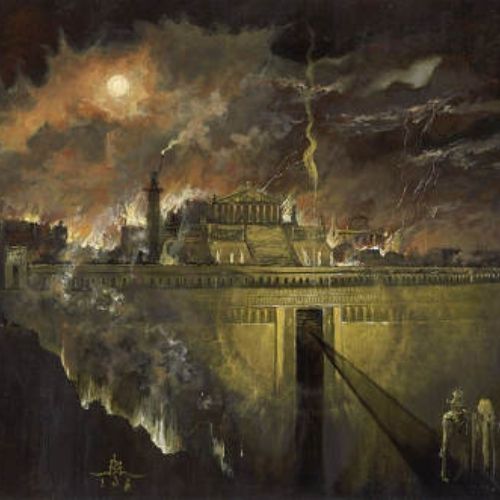
Visually, the album artwork follows a direction that aligns with the music’s aesthetic language. The chalice design surrounded by serpent imagery, dominated by golden tones, alongside the image of a burning city, directly supports BESTIA ARCANA’s occult and apocalyptic themes. The visual identity functions not merely as a repetition of black metal clichés, but as a complement to the album’s ritualistic and symbolic narrative.
"Holókauston" occupies a distinctive position within the atmospheric, experimental, and occult-oriented tendencies of contemporary black metal. The album’s defining quality does not lie in combining different genre elements, but rather in transforming the existing language of black metal into something heavier, more ceremonial, and more dramatic. BESTIA ARCANA is not attempting to create an entirely new genre; instead, the band constructs an intense expressive space governed by its own aesthetic rules. As a result, the album demands an attentive listening approach, one that moves beyond superficial searches for atmosphere and follows the rhythmic and structural changes within its extended compositions. "Holókauston" stands as a work that demonstrates how traditional forms can still be expanded within contemporary extreme metal, not merely through ideas, but through deliberate compositional decisions.
OZAN
https://bestia-arcana.bandcamp.com/