
ALBUM REVIEW
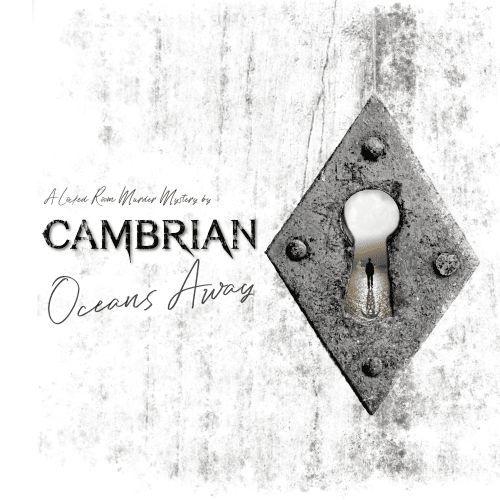
CAMBRIAN - Oceans Away
Dark Progressive Narrative
Eindhoven-based progressive metal outfit CAMBRIAN approaches the progressive sound on “Oceans Away” as more than just a combination of riffs and rhythms, instead treating it as a vehicle for a comprehensive narrative. The band’s second full-length explores a murder story centered around former detective Jack Vulture through a nine-track concept structure, placing the dramatic and layered approach of progressive metal at its core. By combining technical details, atmospheric arrangements, and distinctive instrumental touches, CAMBRIAN brings its musical identity into sharper focus.
The album carries one of the fundamental elements of progressive metal — narrative-driven composition — into the framework of a nine-track concept record. The story of former detective Jack Vulture attempting to solve a series of murders aboard a cruise ship is not only reflected in the lyrics, but also embedded within the dramatic flow and musical transitions of the songs. The album opener ‘What Lies Beneath – Pt. 1’ establishes a classic progressive storytelling approach through piano passages and spoken word sections, while the following ‘Rules of Engagement’ immediately reveals the band’s true character: sharp guitar riffs, a powerful rhythmic foundation, and harsh vocal delivery make it clear that CAMBRIAN is not merely an atmospheric prog rock project, but a progressive metal band with a heavier edge.
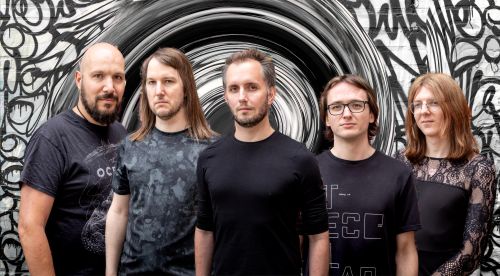
The band’s compositional approach is built around the traditional dynamic contrasts of progressive metal. Ronald Kremers’ guitar work constantly shifts between melodic passages and more angular, aggressive riff structures, while Cristian Vlemmix’s bass lines and Roos de Kok’s drumming keep the album’s complex arrangements grounded and controlled. Particularly on ‘Locked Room Murder Mysteries’, the longest and most expansive composition on the record, the band demonstrates its ability to connect different sections into a cohesive whole. Moving between slow, dark atmospheric passages and more energetic segments, the track maintains the classic progressive metal philosophy of “structural variation serving the narrative.”
One of the most striking elements in CAMBRIAN’s sonic palette is the use of keyboards. Lennart van der Leij’s keyboard arrangements do not merely function as background atmosphere; they serve as an active layer that balances the density created by the guitars and provides melodic direction. While this approach reveals the band’s connection to the progressive metal tradition established by Dream Theater, “Oceans Away” distinguishes itself through its stronger emphasis on storytelling and dramatic structure. Likewise, the album’s concept-driven approach recalls the theatrical narrative style found in projects such as Ayreon, though CAMBRIAN applies this idea within a more compact band format.
One of the album’s most distinctive personal touches is Freek Rooijakkers’ use of a wind controller alongside his vocal performance. This MIDI-based wind instrument introduces an unusual color within progressive metal. However, the important point is that the instrument is not included merely as a decorative element designed to appear different. In certain sections, it expands the melodic atmosphere and opens a new expressive dimension within the band’s keyboard-and-guitar-centered framework. At the same time, it remains a tool that enriches the existing arrangements rather than an element that fundamentally alters the album’s compositional logic. The defining force behind CAMBRIAN’s identity remains the progressive metal balance created by guitars, keyboards, and the rhythm section.
Vocally, the band works with two distinct approaches. Clean vocals support the narrative side of the story, while harsh vocals add weight to more confrontational sections. Freek Rooijakkers’ harsh vocals are particularly effective on heavier tracks such as ‘Shards of a Broken Mirror’, whereas the clean vocals do not always reach the same level of strength. This creates one of the minor imbalances between the album’s theatrical ambitions and its vocal execution. While the vocals become an important storytelling tool, there are moments when the instrumental intensity overshadows the vocal performance.
‘Requiem for Innocence’ and ‘Requiem for Guilt’ represent the more controlled and atmospheric side of the album. These tracks demonstrate that CAMBRIAN’s progressive metal approach is not built solely around technical display. Even in calmer sections, the band relies on arrangement details; the use of piano, the careful handling of space, and melodic transitions strengthen the album’s dramatic structure. ‘Oceans Away’, meanwhile, stands as one of the record’s central points, reflecting a turning point in the concept through broader riff structures and a steadily rising arrangement.
From a production perspective, “Oceans Away” follows the clean and layered approach commonly associated with modern progressive metal. The separation between instruments remains clear, while the interplay between keyboards and guitars creates a wide sonic field, particularly in the more densely arranged sections. This choice aligns with the contemporary progressive metal production philosophy of maintaining intensity without sacrificing control. Considering the album’s narrative structure, this clarity becomes a significant advantage, allowing each element to retain its function within the multi-layered arrangements.
The strength of the album’s visual and conceptual side comes from its connection to the literary storytelling tradition of classic progressive metal. “Oceans Away” approaches music not simply as a collection of individual tracks, but as a vehicle for a larger narrative. However, this approach also becomes the album’s greatest challenge: the concept must remain effective not only for listeners following the story, but also for those focusing primarily on the musical structure. CAMBRIAN manages to maintain this balance in most moments; the narrative does not overshadow the compositions, but instead guides the direction of the arrangements.
“Oceans Away” does not attempt to reshape the complex framework of progressive metal into an entirely new form; instead, it carefully develops the genre’s established traditions of storytelling and composition. The album builds its impact not through technical exhibitionism, but through structured transitions, character-driven vocal choices, and atmospheric details. CAMBRIAN’s approach demands a more attentive listening experience, one that follows the connections between the individual sections rather than consuming the material superficially. Rather than redrawing the boundaries of the genre, the band highlights the storytelling potential of progressive metal within its own conceptual universe.
OZAN