
ALBUM REVIEW
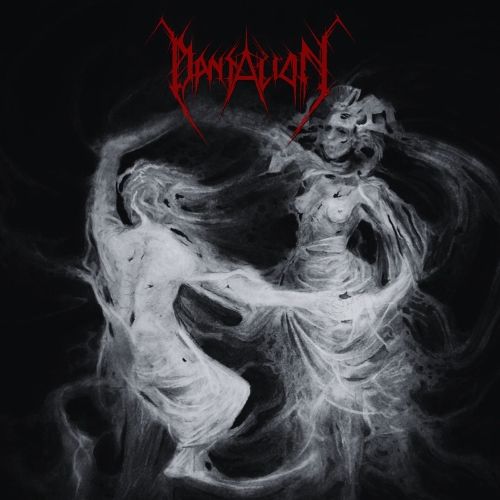
DANTALION - Dantalion
Melodic black metal turns inward.
Hailing from Galicia, DANTALION are opening a new chapter in their career with their tenth release, following a musical journey that began in 2004. The band have been around for more than two decades, yet their recent output has received surprisingly little media attention. If you've been following Pit-Stop for a while, you'll already have a good idea of our approach to the underground scene: bringing lesser-known bands and albums to your attention is precisely what this webzine is all about. It's also exciting to see this release backed by Base Record Production. Anyone with even a passing interest in the Spanish underground scene will know that Gaspar, the label's owner, is one of the most relentless supporters of underground metal I've ever come across. I'll never forget the time he stood by us when we were desperately searching for a label to release the last full-length album by Diabolical Raw, a band I once fronted. Gaspar, my friend, I send you my warmest regards.
I realise I've spent quite a while on the introduction, so let's get back to the album. Shaped by founding members Naemoth and Netzja, "Dantalion" moves away from the band's former death metal-oriented approach, embracing the more atmospheric, emotional and melancholic side of melodic black metal. Another important part of this shift is the return of vocalist Diego, who was previously a member between 2013 and 2019. Across its seven tracks, the album combines DANTALION's dark musical identity with a more personal lyrical perspective centred on human depravity and the inherent presence of evil within human nature.
Opening track 'Born of My Own Damnation' establishes the album's overall atmosphere by bringing dark guitar melodies together with the raw intensity of the vocals. Diego's raspy delivery, which occasionally takes on a more melodic character, is one of the key elements lending the songs their emotional weight. Moving between growls and the raw vocal style traditionally associated with black metal, his performance fits particularly well with lyrics dealing with humanity's confrontation with its own darkness. This vocal variety prevents the album from relying solely on aggression, giving the music a more expressive and nuanced dimension.
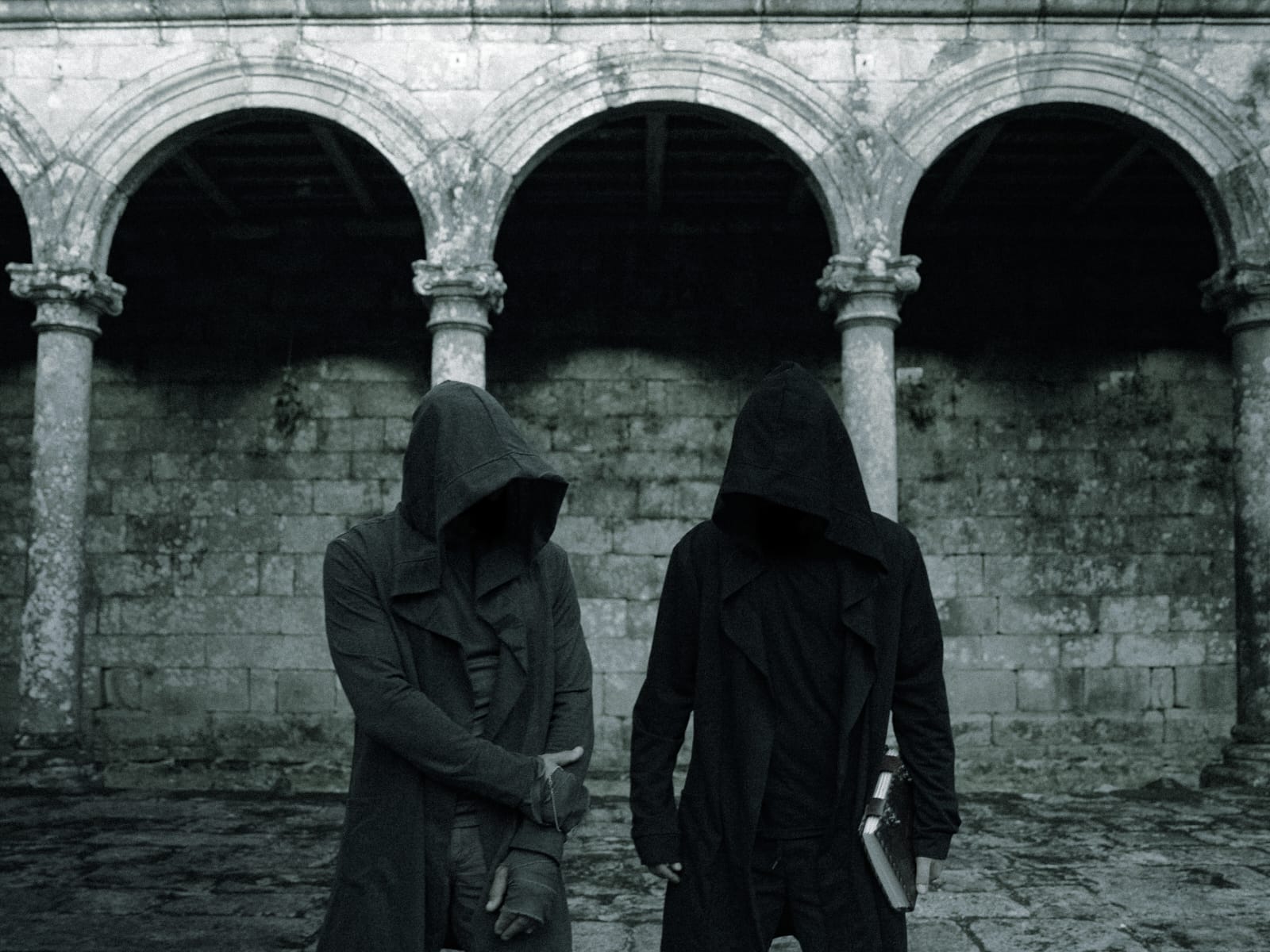
Netzja's guitar work is central to defining DANTALION's melodic black metal direction. Dark melodies built around tremolo passages alternate with more rhythmic and energetic riffs. 'Ascend Through Ruin' is a particularly striking example of this approach. Its melodic guitar passages rise above the heavier riffs, lending the composition a more majestic character. Rather than serving aggression alone, the guitars also contribute to the development of the album's atmosphere, enriching its musical narrative. Similarly, the dark melodic framework of 'Where the Hidden Demons Rise' demonstrates the band's ability to create compelling atmospheres. The cinematic quality of the guitars, in particular, provides an important complement to the thematic world of the songs.
Naemoth's drumming also helps define the dynamics of this musical framework. The interplay between the melodic weight of the guitars and the rhythmic intensity of the drums is one of the elements that keeps the album's atmospheric side from becoming stagnant. DANTALION, however, prioritise the development of melodic ideas and dark atmospheres over constant tempo shifts or complex arrangements. This approach lends the individual tracks a sense of cohesion and gives the album a more consistent overall character. Rather than delivering a succession of surprises on first listen, "Dantalion" gradually reveals its melodic textures and emotional landscape over time.
On the production front, Brais Barreiro's work brings the melodic details of the guitars and the clarity of the instrumental passages to the fore. The overall sound is clean and well-defined, making the tremolo melodies and transitions between riffs easy to follow. Diego's vocals, by contrast, have a rougher texture than the instrumentation. This difference occasionally pushes his voice behind the guitars, but it also preserves the distinctive character of his performance. Particularly when the melodic guitars become more prominent, the rawness of his vocals adds another layer of harshness to the album's atmosphere. While not every element of the mix enjoys the same degree of clarity, the overall production approach supports DANTALION's melodic and dark musical direction.
Lyrically, the album focuses on the darker side of human nature, exploring themes such as evil, emotional emptiness and humanity's descent into self-destruction rather than relying on the familiar Satanic narratives of traditional black metal. This approach also fits the melancholic character of the music. By examining darkness not merely through aggression or demonic imagery, but through a deeply pessimistic view of human nature itself, DANTALION give the album a more introspective dimension. The occasional prominence of the melodic passages provides a musical counterpart to this lyrical perspective.
Considering DANTALION's long career, this self-titled release represents an important step in the band's ongoing reinvention. Their move from a death metal background towards the more atmospheric and emotional territory of melodic black metal allows them to explore their musical identity from a different perspective. Admittedly, the similarities between some of the tracks and the occasional lack of greater compositional variety leave room for improvement. Nevertheless, the strong melodic passages, Diego's distinctive vocal performance and the connection between the dark lyrical themes and the music help maintain the album's cohesion. With their tenth release, DANTALION have found a new means of musical expression without completely abandoning their past. For listeners drawn to the atmospheric and melancholic side of melodic black metal, this is a release that deserves serious consideration as a turning point in the band's discography.
