
ALBUM REVIEW
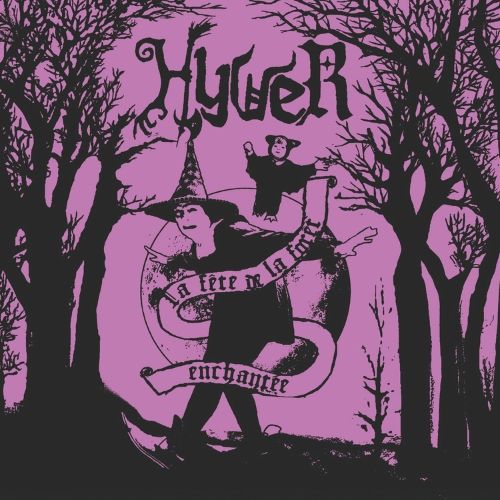
HYVER – La Fête de la Forêt Enchantée
Theatrical black metal with fairytale eccentricity.
The French black metal duo HYVER brings together the raw, traditional elements of black metal and a fantastical world drawing on medieval narratives with their fourth album, "La Fête de la Forêt Enchantée". Léon ‘Hyver’ Guiselin’s prolific output has encompassed a palette ranging from dungeon and ambient textures to symphonic black metal, and this range of influences helps shape the fairytale language that defines the album’s atmosphere. Released through Antiq, the record revolves around a lively, occasionally absurd woodland feast in which different characters and events intertwine, rather than a straightforward tale of a dark forest.
Musically, HYVER opts for a fairly stripped-down approach. Synthetic keyboards and programmed drums accompany the traditional guitar and bass arrangements. The interplay between passages where keyboards take over the melodic lead and sections in which the guitars adopt a more animated, rhythmic character provides the main impetus for the compositions. However, the development of these melodic ideas is not always particularly convincing. The mid-paced sections frequently settle into similar patterns, while the exchanges between keyboards and guitars sometimes do little more than sustain the existing fairytale atmosphere rather than open up new compositional possibilities. The melodramatic vocal approach further reinforces the theatrical narrative, although the dramatic effect occasionally seems to take precedence over musical variety.
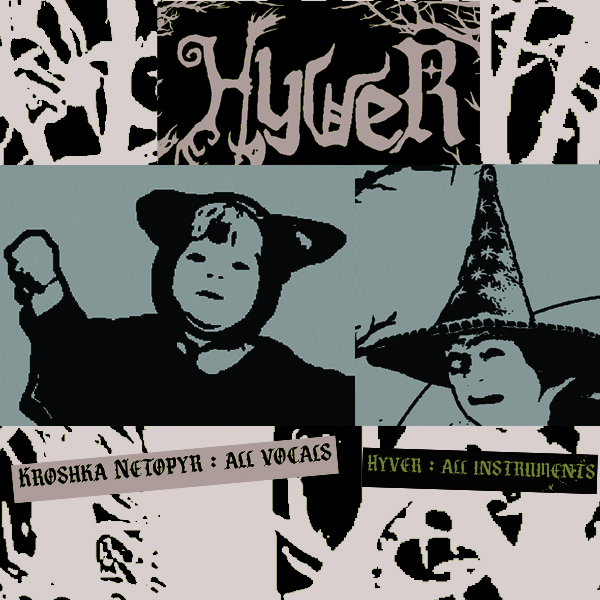
The album’s most unconventional feature, however, is Koshka Netopyr’s vocal performance. Described in the source material as bat shrieks, these thin, brief, filtered and processed sounds are a far cry from conventional black metal vocals. Their function is less that of a human vocal performance than that of a fantastical character contributing to the narrative, further emphasising the album’s theatrical dimension. The occasionally plastic-sounding keyboard tones and seemingly chaotic drum arrangements also make the whole thing resemble a stage performance built around an assortment of distinctive sounds rather than a tightly constructed musical work. From this perspective, judging "La Fête de la Forêt Enchantée" solely on its musical compositions risks overlooking a substantial part of the world it seeks to create.
The narrative, which can be pieced together through the song titles, further supports this theatrical approach. The festivities begin with an invitation to a mysterious forest path, proceeding through dancing and toasting before culminating in an unexpected commotion caused by a toad being trampled. The absurd finale, complete with ambulance sirens, distances the album’s fantastical atmosphere from the familiar dark and menacing narratives of black metal. Here, the music ceases to function merely as a collection of self-contained compositions and becomes the sonic counterpart to a story populated by characters, events and scenes. Antiq’s approach to presenting music alongside visual aesthetics and conceptual elements also helps put this artistic direction into perspective.
Nevertheless, the gap between theatrical coherence and musical substance remains the album’s most debatable aspect. The melodic transitions required by its fairytale concept, the cheerful synth passages and the exaggerated vocal character establish a distinct atmosphere, but not all of these elements develop into compelling compositional ideas. Particularly in sections built around similar tempos, the musical narrative tends to circle around the same emotional territory rather than evolve, weakening the album’s impact across its full-length format. Nor is it enough to locate its originality solely in the unconventional vocal approach or fantastical storyline. While these elements give the record a recognisable identity, its music would benefit from greater development and variety.
"La Fête de la Forêt Enchantée" offers an interesting approach to turning black metal’s raw sonic vocabulary into a vehicle for fantastical storytelling. This is not an album built around compositions that impress through sheer force or distinguish themselves through musical depth; in fact, there are moments when the concept is allowed to dictate the music. Even so, its theatrical character, absurd humour and unconventional vocal delivery enable it to establish a world of its own. The album’s value, then, lies less in whether it adds a new shade to black metal’s palette than in its use of the genre’s sonic and aesthetic heritage as a vehicle for a different form of storytelling. While it is unlikely to satisfy listeners looking for musical development and compositional cohesion, it is certainly an individualistic work for those drawn to the fantastical, dungeon and theatrical dimensions of black metal.

Antiq Records