ALBUM REVIEW
DOMINUM – Night Is Calling
Theatrical dark metal
DOMINUM quickly attracted attention as a Germany-based project that combines the theatrical side of modern power metal with horror aesthetics, cinematic storytelling, and strong melodic structures. Built around Felix Heldt’s Dr. Dead persona, the band uses its zombie-themed concept not merely as a visual element, but as a fundamental part of its musical and stage identity. With Night Is Calling, DOMINUM further expands its own space within entertainment-focused melodic metal by bringing together huge choruses, ’80s-inspired synth textures, and a modern metal approach.
DOMINUM’s third album, Night Is Calling, reveals the band’s core approach from the very first seconds: melodies designed for massive stages, theatrical storytelling, and a structure that expands the boundaries of metal through pop sensibilities. The opening track, “The Circus Is In Town,” transforms an atmosphere that begins with an innocent carnival melody into one driven by modern metal guitars, electronic textures, and heavy rhythms. The intention here is not merely to create a decorative horror effect; it establishes a compositional idea that shapes the entire song. The carnival bells, circus-inspired melodic motifs, and staccato rhythmic accents define the track’s character, while the chorus immediately reveals DOMINUM’s strongest weapon: vocal lines built for instant recognition and mass appeal.
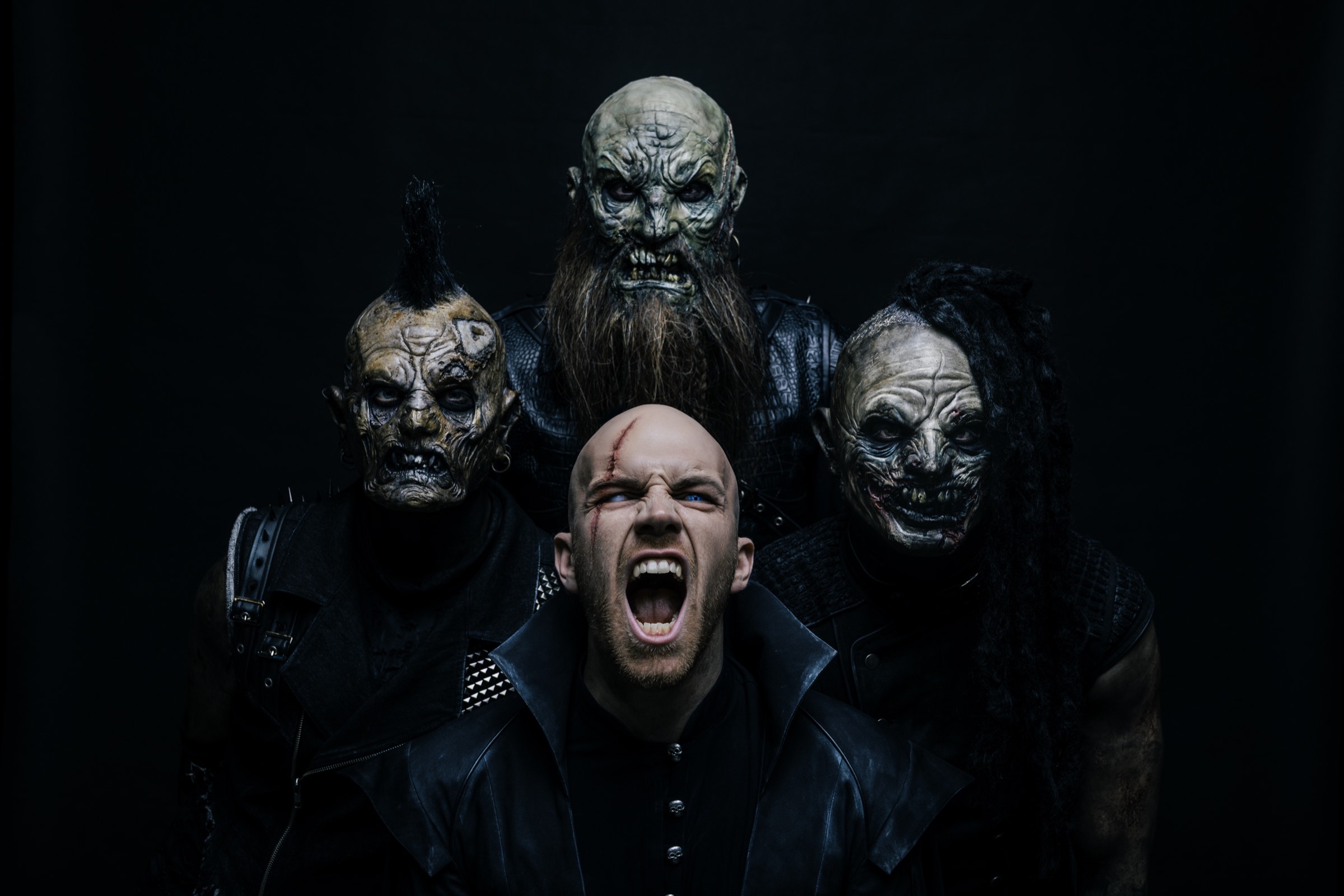
Built around Felix Heldt’s Dr. Dead character, the DOMINUM project combines traditional power metal aesthetics with modern production techniques and elements borrowed from pop music. Night Is Calling does not abandon this approach but expands it further. While the melodic power metal foundation of the previous albums remains intact, the use of synths has increased significantly; in some sections, guitars step away from their traditional metal dominance and become supporting elements for electronic layers and vocal melodies. This choice places the band in the same contemporary melodic metal territory as groups such as Battle Beast, Beast in Black, or Powerwolf, known for their theatrical approach; however, DOMINUM’s distinction lies in shaping this atmosphere not through religious or mythological seriousness, but through horror cinema, dark humor, and comic-book exaggeration.
“Doctor Doctor” is one of the clearest examples of this side of the album. Rather than being built around traditional metal riffs, the track relies on keyboard passages closer to ’80s pop rock, a danceable rhythmic structure, and massive choir-like sections. The guitars do not take the leading role here but instead serve to thicken the melodic framework. This approach may appear to push the metal identity into the background for some listeners; however, DOMINUM’s goal is not to create impact through sheer heaviness, but through strong songwriting and instantly memorable melodies. The simplicity of the chorus is a deliberate choice, designed specifically to work in a festival environment.
“Children Of The Night” is a track that leans closer to the band’s classic power metal side. Fast-paced drumming, expansive keyboard use, and dramatic vocal lines directly connect it to the European melodic metal tradition. The issue here is that many of the building blocks used are already highly familiar within the genre. DOMINUM does not reinvent this formula; however, the control of the melodic transitions, the character of the vocal performance, and the clarity of the production allow the song to find its place within the band’s own concept.
One of the album’s more successful atmospheric moments comes with “Nosferatu.” Instead of immediately accelerating, the track builds tension through low-tuned guitars and a more controlled introduction. Once the rhythm section enters, the song develops a more classic heavy metal dynamic. The darker character of the guitar tones and the heavier movement of the drums support the vampire theme not only through lyrics but also through the musical arrangement itself. Here, DOMINUM succeeds in transforming horror imagery from a visual element into a part of the song’s architecture.
“Dark Melodies” stands as one of the album’s most balanced compositions. A piano-driven introduction combined with Dr. Dead’s warmer, more restrained vocal delivery creates an important shift in dynamics. The track moves away from the constant pursuit of oversized choruses and allows more space within the arrangement. While the synth layers create a cinematic atmosphere, the guitar and drum work preserve the song’s rock character. This track demonstrates that DOMINUM are not only capable of writing massive stage anthems, but can also deliver lower-tempo compositions with strong melodic depth.
The album’s title track, “Night Is Calling,” represents one of the strongest examples of the band’s established formula. Marina La Torraca’s guest vocals add a distinct strength to the track. The interaction between the two vocalists elevates the song beyond a standard guest appearance; their contrasting vocal identities bring genuine movement to the composition. The bass line’s constant forward momentum, combined with synth atmospheres and compact guitar riffs, strengthens the modern arena metal approach. However, the song’s success does not rely solely on the guest vocals; DOMINUM’s ability to write powerful choruses remains the decisive factor.
“Jack The Ripper” and the Michael Jackson cover “Thriller” are the sections where the band’s horror concept becomes most visible. “Jack The Ripper” raises the album’s energy through heavier guitar work and a more aggressive rhythmic approach. Yet the track’s true impact comes from its ability to transform even a notorious figure into a bright, festival-friendly melodic structure. The choice of “Thriller” is not surprising; in fact, considering DOMINUM’s aesthetic direction, it is a very natural selection. The original song’s cinematic atmosphere, danceable rhythm, and horror themes already align with the band’s world. However, the interpretation does not radically restructure the Michael Jackson classic; instead, it mainly refreshes the existing arrangement with metal production and heavier guitars. As a result, it works effectively within the album, though it remains limited in terms of creative transformation.
“Devil’s Son” is one of the points where the album’s genre references are most apparent. Sacred-sounding choir arrangements, massive guitar blocks, and theatrical vocal delivery are directly rooted in the European power metal tradition. Although the track is technically strong, certain sections bring DOMINUM closer to established genre formulas rather than their own identity. Still, Dr. Dead’s vocal character and the band’s humorous approach prevent the song from becoming a completely derivative example.
From a production standpoint, Night Is Calling is an extremely controlled album by modern melodic metal standards. The weight of the guitars, the clarity of the drums, and the width of the synth layers create a massive sonic space. Jacob Hansen’s mix ensures that every element has its own place within the arrangement. However, this flawless precision occasionally reduces the sense of danger within the album’s horror themes. Although DOMINUM’s world is built around dark visuals and zombie aesthetics, the sonic landscape feels closer to a large-scale amusement park; spectacle takes priority over menace.
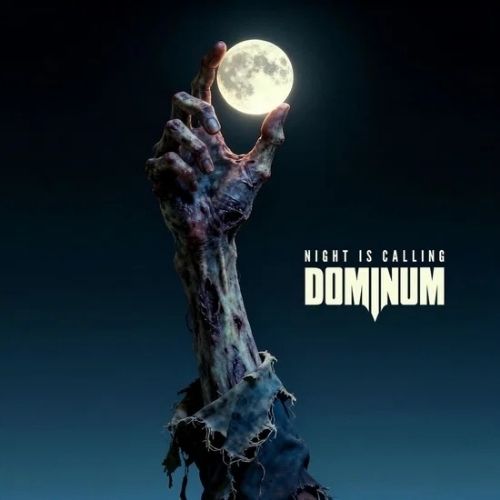
This appears to be a deliberate choice from the band. DOMINUM does not use horror atmosphere to create genuine terror, but rather to build a theatrical performance space. The exaggerated zombie figure and night-themed imagery on the cover artwork follow the same direction as the music: the goal is not to create mysterious or minimalist darkness, but to make the concept immediately understandable. There is a clear harmony between the visual identity and the musical approach; however, because this aesthetic consciously embraces excess, some listeners may find it overly polished or artificial.
The album’s closing section, “Endzeit,” reveals a broader compositional approach. With a runtime approaching five minutes, the band moves slightly beyond its usual formula of short, direct songs. The track’s gradual layering makes the relationship between guitars, synths, and orchestral textures more apparent. As a result, it becomes one of the album’s most cinematic moments. The acoustic versions that follow demonstrate that the band’s melodic structures can also work in more stripped-down arrangements, though from the album’s overall dramaturgical perspective, they feel more like additional material rather than essential components.
Night Is Calling is not a record that changes DOMINUM’s fundamental identity, but rather one that carries it onto a larger stage. The band is not attempting to create a new metal language here; instead, they combine the melodic heritage of power metal, ’80s pop aesthetics, and horror-themed theatrical storytelling within the same framework. Most of the elements that appear experimental ultimately serve the band’s primary goals of accessibility and stage impact.
This is not an album built around complex structures or extreme metal’s concept of heaviness. What it asks from the listener is an acceptance of the entertainment offered by powerful choruses, massive production, and deliberately exaggerated aesthetics. Night Is Calling presents a band defining its place more clearly within the contemporary melodic metal scene; it is built more around identity consolidation than reinvention. DOMINUM’s success lies not in hiding how familiar its ingredients are, but in transforming those familiar elements into a cohesive whole within its own theatrical universe.
OZAN