ALBUM REVIEW
SOLACE – Fading Failing Ruin
Riffs withstand time
SOLACE, a New Jersey-based band that has been combining doom, stoner rock, and classic heavy metal influences through its own heavy riff-driven approach since the 1990s, remains one of the scene’s quieter yet most consistent acts. Despite lineup changes and lengthy gaps between releases throughout their three-decade career, the band’s core philosophy has remained unchanged: powerful guitar writing, organic tones, and a fusion of classic heavy metal spirit with the language of modern heavy music. Fading Failing Ruin does not attempt to reinvent SOLACE’s long-established musical identity; instead, it pushes that identity forward through a broader, more dynamic, and more mature compositional approach.
The defining element of the album, immediately apparent from its opening moments, is a riff philosophy that extends far beyond simply relying on heavy guitar tones. After thirty years, the band still places the riff at the center of its music, but they do not approach it solely through slowed-down doom structures. Instead, they expand their sound with the melodic sensibility of classic heavy metal, the blues-based textures of hard rock, psychedelic passages, and the loose groove-driven character of American stoner tradition. The album’s strength lies not in repeating the references of the past, but in rearranging that heritage through SOLACE’s own compositional language.
Although the album draws from the dense fuzz, crushing tempos, and retro production aesthetics frequently associated with the modern stoner-doom scene, it refuses to be defined by those labels alone. SOLACE’s approach exists on a broader spectrum that reaches toward the post-Black Sabbath heavy music tradition of the 1970s, the American sludge lineage, and the alternative heavy currents of the 1990s. As a result, while the album embraces the nostalgic side of the genre, it never feels like a work that simply looks backward.
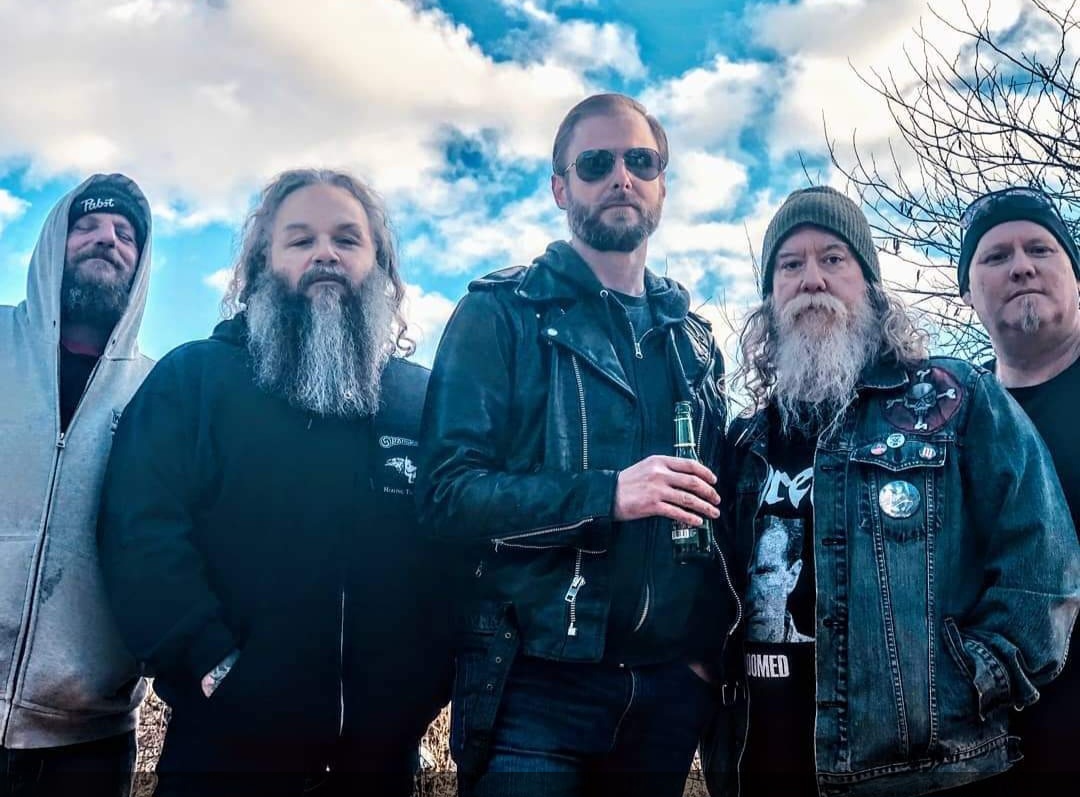
The opening track “Spiral Will” quickly establishes the band’s musical coordinates. Justin Skyler Daniels and Tommy Southard’s guitars are built around blues-based yet heavily weighted riff structures, while Mike Sica’s bass lines and Tim Schoenleber’s drumming do more than simply add weight to the track; they create a rhythmic foundation that expands the movement and flexibility of the riffs. The transition from the song’s folk-tinged melodic introduction into sections closer to classic heavy metal demonstrates that SOLACE are not a one-dimensional doom band. This contrast serves as a small example of the album’s broader approach: the heavier sections work not only through slowness, but through melodic tension and shifts in arrangement.
“Fettered To A Stone” brings the band’s doom side into sharper focus. The track’s driving guitar motifs combine the simple yet effective riff philosophy of the Black Sabbath tradition with the modern approach to stoner production. However, SOLACE’s distinction lies in their ability to avoid direct imitation, instead creating a broader atmosphere through vocal melodies and layered guitars. Justin Goins’ vocals become a defining element here. His voice combines the powerful, distinctive delivery of classic hard rock with the harsher expressive qualities of modern doom. Goins never functions merely as a vocalist creating atmosphere; he uses his melodic lines like an active instrument that follows and reinforces the dramatic structure of the riffs.
One of the album’s most striking qualities is the structural ambition found within its longer compositions. At nearly fifteen minutes, “Wrath’s Object (The Big Fall)” stands as the centerpiece of the record, demonstrating how far SOLACE can expand the traditional boundaries of stoner-doom. The opening section of the track is built around an extended period of gradual development, where guitars and atmospheric textures slowly unfold. This approach combines doom’s traditional sense of patience with the improvisational openness of psychedelic rock. When the heavy riff finally emerges after the roughly six-minute build-up, its impact comes not merely from sudden contrast, but from the anticipation created by the preceding section.
At this point, SOLACE’s compositional approach separates itself from the long-form structures commonly explored within today’s experimental doom and sludge scenes. While the band uses extended durations to build atmosphere, their songs are not based on prolonged repetition alone. Within “Wrath’s Object (The Big Fall),” tempo shifts, guitar melodies, and vocal entrances become structural elements that complement one another. However, as seen throughout the album, SOLACE occasionally has a tendency to stretch their ideas further than necessary. Despite producing strong riffs over extended periods, some transitions struggle to maintain the same level of intensity.
“A God Changes His Plans” is one of the tracks that achieves this balance more effectively. Its groove-focused guitar work maintains doom’s heaviness while introducing a more dynamic rhythmic structure. Although sludge influences become more apparent here, SOLACE avoids the harsher and more chaotic aggression found in many representatives of the genre. Instead, they emphasize the dirty tone of the riffs and their blues-derived swing. This choice is one of the key elements separating the band from many contemporary sludge acts. For SOLACE, heaviness is a result of character rather than anger.
“Culling The Herd” represents one of the album’s shorter and more direct moments. While doom traditionally relies on extended durations and gradual development, this track reveals the band’s more traditional heavy metal side. Its faster pace and straightforward riff approach provide a necessary contrast within the album’s overall flow. The following “Beyond Below” returns to broader atmospheric territory while revealing psychedelic hard rock influences reminiscent of Monster Magnet. However, these influences remain more than surface-level references; they become embedded within the structure of the guitar melodies and vocal arrangements.
The album’s production is another important element supporting the band’s aesthetic choices. Eric Rachel’s mix and mastering avoid the overly compressed and sterile approach often found in modern metal production. While preserving the warmth of the guitars, the production allows enough space for the bass and drums within the mix, emphasizing the organic feeling of the band’s performance. This decision is particularly important for doom and stoner music, as the impact of these genres comes not only from the amount of distortion but from the physical weight created by the interaction between instruments.
Tracks such as “Malengine (The Scaffold)” and “Ridden” once again showcase SOLACE’s strength as riff writers. However, not every extended composition maintains the same dramatic impact throughout the album’s nearly one-hour runtime. The band is clearly rich in ideas, yet some sections could have benefited from tighter arrangement discipline. This does not diminish the quality of the album, but Fading Failing Ruin is a dense work that demands more patience from the listener.
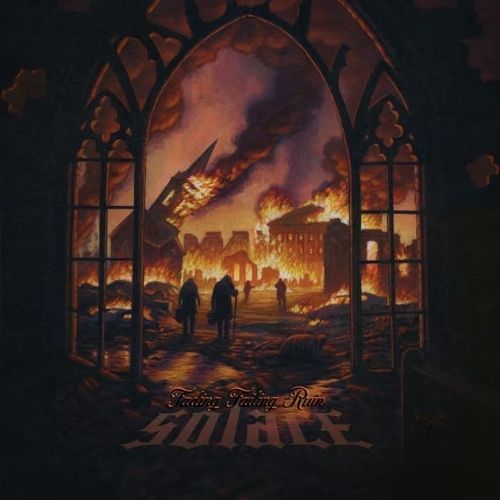
From a visual perspective, the album adopts an approach that aligns with its musical identity. The sense of decay and erosion carried by the title complements the band’s heavy, analog, and timeless sonic world. The visual side does not attempt to create a separate concept that overshadows the music; instead, it functions as a supporting element for the classic heavy metal and doom aesthetics SOLACE have carried for years.
Fading Failing Ruin is less an attempt by SOLACE to search for a new direction within the genre and more an expansion of the language they have already created. While remaining within the boundaries of stoner-doom, the band uses blues, classic heavy metal, and psychedelic rock influences as structural components; these elements frequently alter the fundamental logic of the music. Although not every experimental idea produces equally strong results, the album’s overall approach demonstrates that contemporary extreme metal can still reinterpret the aesthetics of the past rather than simply imitate them.
This is not a record designed for immediate consumption. Entering SOLACE’s world requires attention to the recurring movements of the riffs, the subtle changes between guitar layers, and the way extended structures gradually develop. Fading Failing Ruin is not a radical turning point that completely changes the band’s position within the scene; instead, it is a confident work that transforms three decades of experience into a clearly defined identity and demonstrates a band fully aware of what it wants to achieve within its own territory.
OZAN