ALBUM REVIEW
Goetia – Mortuary Cult
High-Speed Death/Thrash Extremity Redefined
Washington D.C.-based Goetia channel the momentum built through their EP trilogy into a full-length statement with “Mortuary Cult,” forging a high-tempo language of aggression along the death/thrash axis. The band reworks the core riff and rhythmic vocabulary of 1980s extreme metal through a contemporary aesthetic of density, aiming not at short bursts but at sustained pressure. This debut album occupies a clear position, compressing both genre references and compositional approach into a single, continuous velocity line.
The album’s primary motion leans less on the harmonic direction of riffs and more on rhythmic propulsion: short, sharply cut guitar motifs oscillate between palm-muted thrash articulation and more angular chromatic runs derived from the Morbid Angel school. The interweaving of these two approaches, rather than their sequential use, forms the central compositional strategy that keeps the record in a constant state of forward assault.
The guitar writing largely references the aggressive continuity of early Kreator, but the key point here is not resemblance; rather, it is the way riffs are frequently linked without allowing full resolution into the next idea. This results in tracks unfolding in blocks rather than following a traditional verse/chorus logic. In pieces such as “Posthumous Execution” and “Corpse Candle,” this structure becomes more pronounced: instead of developing themes, riffs align different articulation types within the same tempo range (thrash runs, death metal palm-stabs, short bursts of tremolo) side by side.
The rhythm section is the element that stabilizes this architecture. The drums constantly shift between blast beats and straight thrash-speed drive, with most transitions handled through micro-acceleration rather than disruptive breaks. This approach suggests a compositional intent focused less on dramatic dynamics and more on sustaining a continuous plane of intensity. Nadia Tydings-Lynch’s drumming is particularly notable in its use of fills; rather than acting as ornamental phrase endings, they function as connective elements that propel the riffs forward.
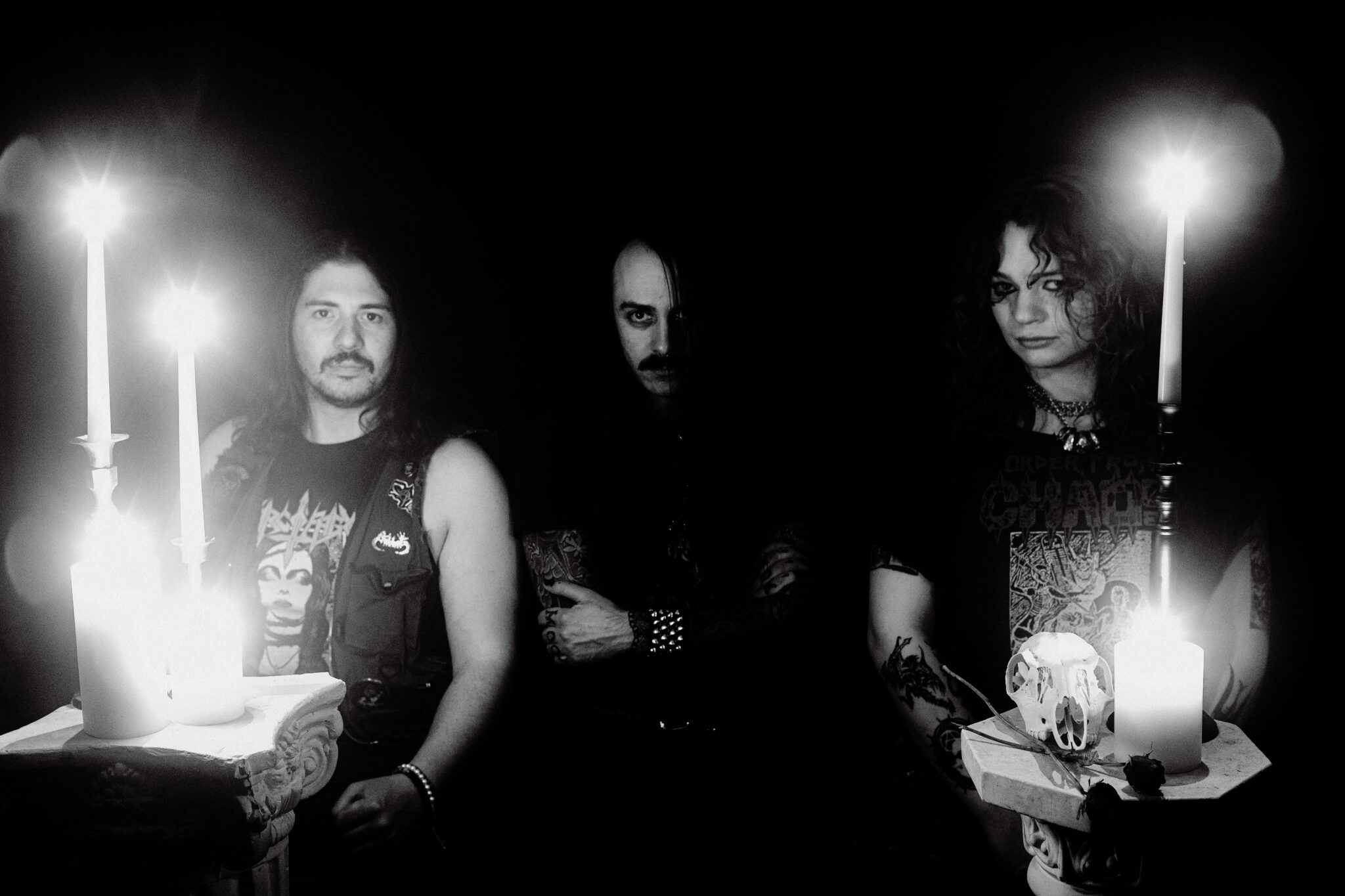
The vocal performance sits in parallel with the rhythmic sharpness foregrounded by the production. The screaming technique does not operate as a single-dimensional expression of aggression, but rather as a percussive layer that sharpens the edge of the riffs. Positioned neither in the background nor as a melodic focal point, this mix placement reinforces the voice as a structural component rather than a narrative one.
In the middle section of the album, deathgrind influences become more apparent. Tracks such as “Mortuary Cult” and “Earth Inferno” introduce groove-based passages, yet this sense of groove is used less to generate weight and more to briefly interrupt the velocity blocks. This is where the album’s most characteristic tension emerges: ideas that lean toward broader, slower unfolding are repeatedly pulled back into a high-speed regime. Rather than providing breathing space, the compositional logic prioritizes the continuity of momentum.
The production approach is notably “flattened” in support of this aesthetic. Guitars are sharpened in the upper-mid frequencies, while the bass largely functions as a low-end foundation. This mix strategy merges 1980s/early 1990s extreme metal references with a modern compression aesthetic, though it also reduces separation between riff layers in denser passages, limiting the perception of detail. In particularly crowded sections, this results in a partial homogenization of compositional variation.
One of the most distinct external colors of the album comes from its black metal fragments, particularly in “Posthumous Execution” and “Corpse Candle,” where short tremolo passages and cold harmonic shifts appear. However, these elements do not evolve into structural interventions that reshape the riff logic; instead, they function as surface-level injections of tension. Similarly, ritualistic tempo changes reminiscent of Absu do not expand the formal architecture of the tracks but instead refract the existing death/thrash framework through a brief aesthetic filter.
The closing track, “Eternal Samhain,” despite its extended duration, maintains the same velocity-driven logic and proceeds through cyclical riff structures. This piece clarifies the album’s overarching aesthetic decision: Goetia favor sequences of short-to-mid-length dense blocks over long-form dramatic development.
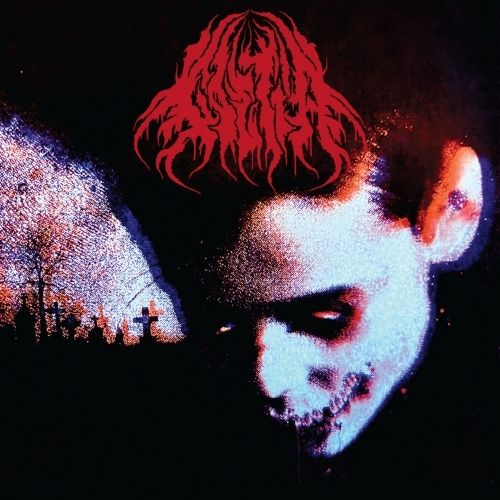
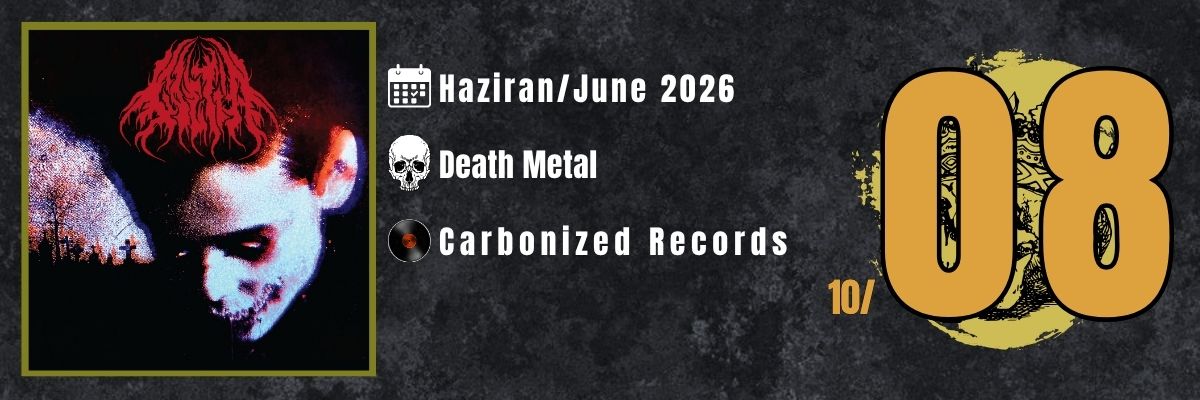
The cover artwork and broader occult thematic framing establish an atmosphere consistent with the music’s speed- and aggression-centered identity. However, the visual language functions less as an expansion of the album’s compositional ambition and more as a framing device for its existing aesthetic direction. Ritual and cemetery references are situated within the established iconography of the genre rather than forming a structural narrative layer.
In its entirety, “Mortuary Cult” is not a nostalgic reproduction of the death/thrash lineage, but a proposition that elevates speed and intensity into the primary organizing principle of composition. The album invests in energy continuity rather than idea diversity, distancing itself from more institutional technical death metal approaches on the scene, while also deliberately sidelining the need for broader compositional variation in places. The listening experience requires adaptation not to a developmental narrative, but to a succession of continuously reset high-intensity riff blocks.
OZAN
https://www.instagram.com/goetia_death_cult
https://carbonizedrecords.merchtable.com
https://carbonizedrecords.bandcamp.com
https://www.instagram.com/carbonizedrecords