
ALBUM REVIEW
HERETIC CULT REDEEMER - In Oculum Chaos
Ritualistic Dissonant Black Metal
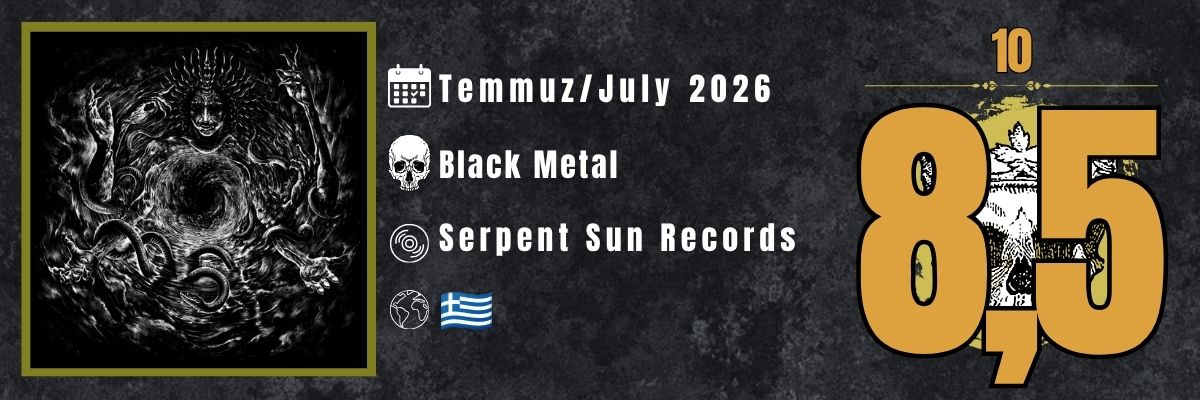
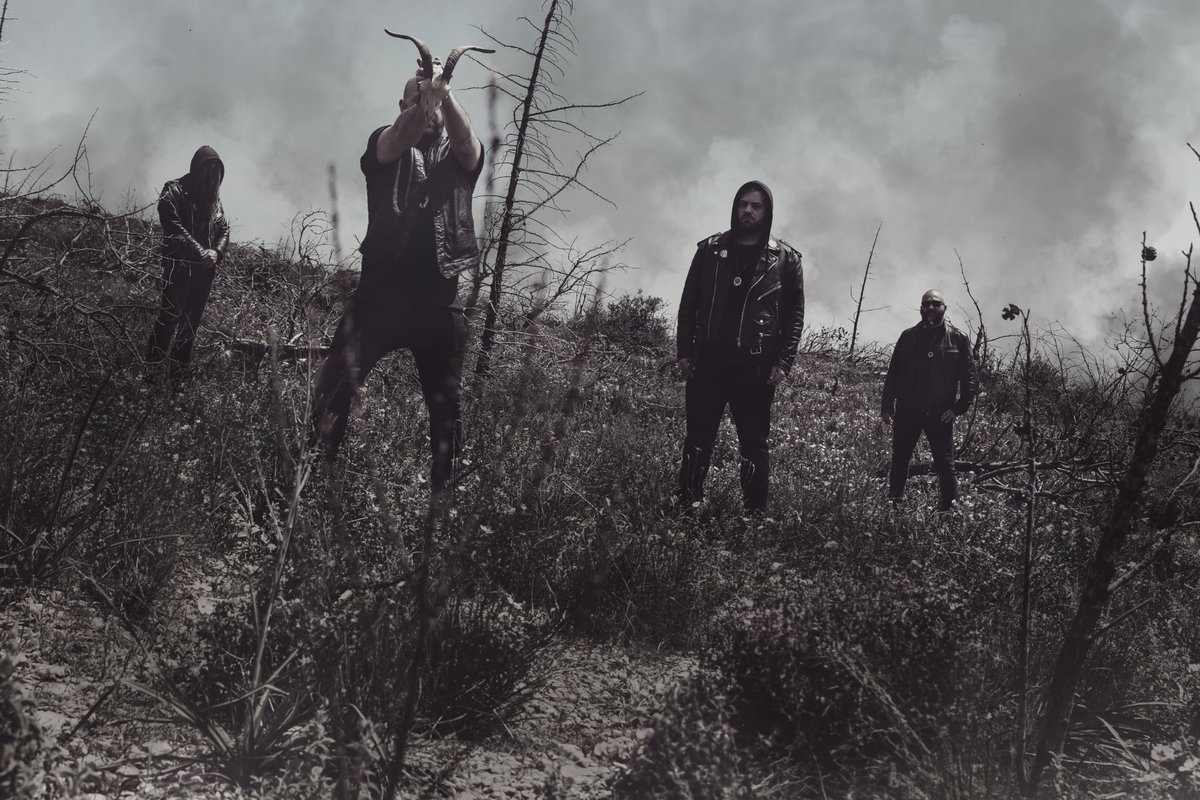
Athens-based HERETIC CULT REDEEMER have followed a path of challenging the traditional boundaries of black metal through experimental approaches and esoteric themes since their formation. With “In Oculum Chaos,” the band moves toward a denser and more distinctive form of expression shaped by dissonant riff structures, complex rhythmic arrangements, and avant-garde elements. The fourth album reveals HERETIC CULT REDEEMER’s attempt to reinterpret the genre’s classical heritage through a modern compositional perspective.
The recording presents an approach that attempts to break black metal’s conventional boundaries from within. Rather than relying on the classic extreme metal formula built around speed or aggression, the album is founded on a sense of controlled disorder shaped by dissonance, rhythmic complexity, and a compositional logic that constantly shifts direction. From the opening moments, the sharp and unresolved harmonic structures of the guitars establish the album’s aesthetic course: instead of reaching toward traditional black metal melodicism, the riffs often focus on creating tension and keeping the listener suspended within unstable tonal spaces.
This approach places HERETIC CULT REDEEMER neither directly within the mystical melodic tradition of Greek black metal nor the raw aggression of the Scandinavian second wave. Instead, the band creates its own territory by utilizing the technical discipline and experimental perspective of modern avant-garde black metal. However, the technical approach here is not used as a means of showcasing skill. The complex structures are not designed to create a musical puzzle, but rather to keep the album’s rhythmic and atmospheric tension constantly alive.
The guitar arrangements stand at the center of this philosophy. While tremolo passages, sharp transitions, and consecutive dissonant chord movements carry traces of black metal’s familiar language, the development of the songs often rejects expected resolutions. Rather than reaching a powerful melodic conclusion, the riffs frequently remain suspended, reinforcing the album’s overall sense of unease. Tracks such as “I Saw The Void” present this compositional approach in its clearest form, where black metal’s aggressive side intertwines with syncopated rhythms and an almost progressive arrangement logic.
One of the album’s most striking elements is its rhythm section. The bass, which is often pushed into the background in black metal, takes on a prominent role throughout “In Oculum Chaos.” Rather than functioning merely as a supporting element following the guitars, the bass expands the movement of the songs through its own melodic lines and becomes one of the core structures guiding the music alongside the drums. Especially during fractured rhythms and unexpected transitions, the interaction between the bass and guitars reveals how controlled the album’s seemingly complex structures actually are.
The drums are another essential part of this mechanical framework. While blast beats provide the necessary intensity during faster sections, syncopated patterns and unconventional accents prevent the songs from settling into predictable flows. At this point, HERETIC CULT REDEEMER’s approach comes close to the sense of rhythmic freedom found among notable representatives of modern experimental black metal. However, rather than transforming rhythm into a completely abstract structure, the band uses it as a compositional tool that carries both intensity and atmosphere.
Funus’ vocals form another layer that completes the album’s chaotic character. The shrieks move away from traditional black metal expression, taking on a more theatrical, physical, and uncontrolled quality. Different vocal techniques, spoken passages, and cleaner vocal sections can also be heard throughout certain parts of the album. These choices do not remain simple additions meant only to provide variety; instead, they become structural elements that strengthen the ritualistic and occult aspects of the record.
At this point, the function of the album’s experimental elements becomes important. Short transitional pieces such as “Carnyx” and “Exodus” serve less as direct extensions of the song structures and more as atmospheric spaces. These ritualistic passages contribute to the album’s overall narrative, but they do not become the primary factor defining its musical identity. The true distinction lies in how these experimental ideas penetrate the fundamental compositional relationship between guitars, bass, and drums. HERETIC CULT REDEEMER are not making random additions here; they are integrating different elements into the core structure.
The production choices also support this approach. “In Oculum Chaos” possesses a clear and powerful sound, particularly suited to a genre as densely layered as avant-garde black metal. The modern, clean, and powerful mix prevents the instruments from disappearing into each other. This choice moves away from the murky and lo-fi aesthetic familiar to some traditional black metal listeners; however, considering the album’s intricate rhythmic structures, this clarity becomes a meaningful decision that allows the musical details to be fully heard.
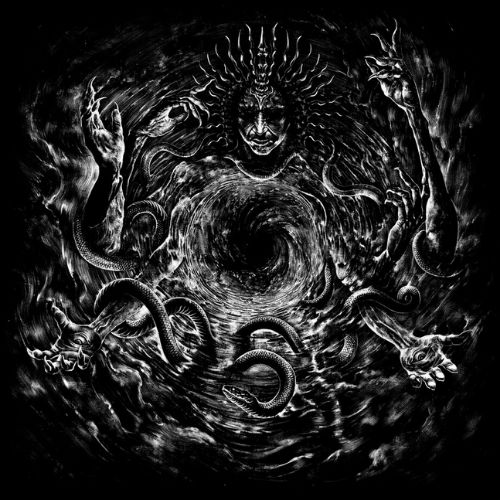
The album’s visual and conceptual side also moves in parallel with its occult and cosmic approach. The Luciferian and esoteric themes do not function merely as lyrical decoration; they create an identity supported by the music’s abstract and ritualistic structure. In this sense, “In Oculum Chaos” embraces the atmospheric and conceptual methods used by many acts within today’s experimental black metal scene while successfully integrating them into its own rhythmic and harmonic language.
HERETIC CULT REDEEMER’s fourth album is not an easy black metal record to consume. Instead of relying on melodic repetition or traditional song structures, it demands that the listener follow its rhythmic relationships, use of dissonance, and constantly shifting arrangements. “In Oculum Chaos” does not completely redefine the existing expressive boundaries of avant-garde black metal; however, it establishes itself as a distinct point within the band’s discography, expanding the genre’s technical and atmospheric possibilities through a deliberate approach built around its own aesthetic rules.
OZAN
https://hereticcultredeemer.bandcamp.com/music
https://www.facebook.com/people/Heretic-Cult-Redeemer/100063245978757/#