
ALBUM REVIEW
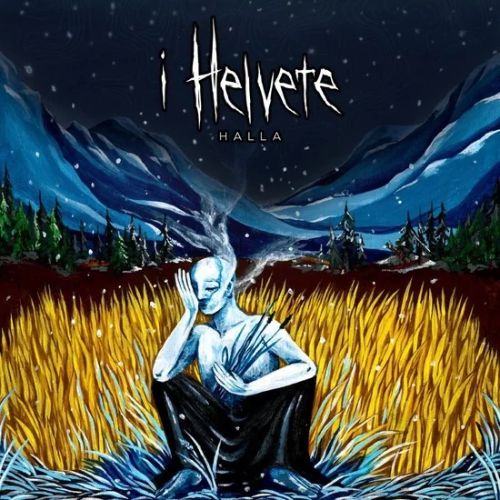
i HELVETE – Halla
Melancholic melodies meet unconventional arrangements.
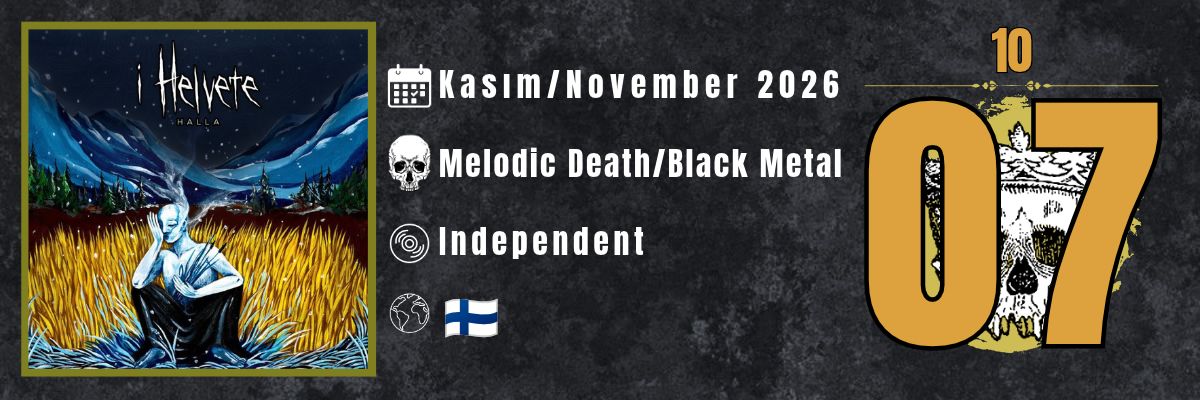
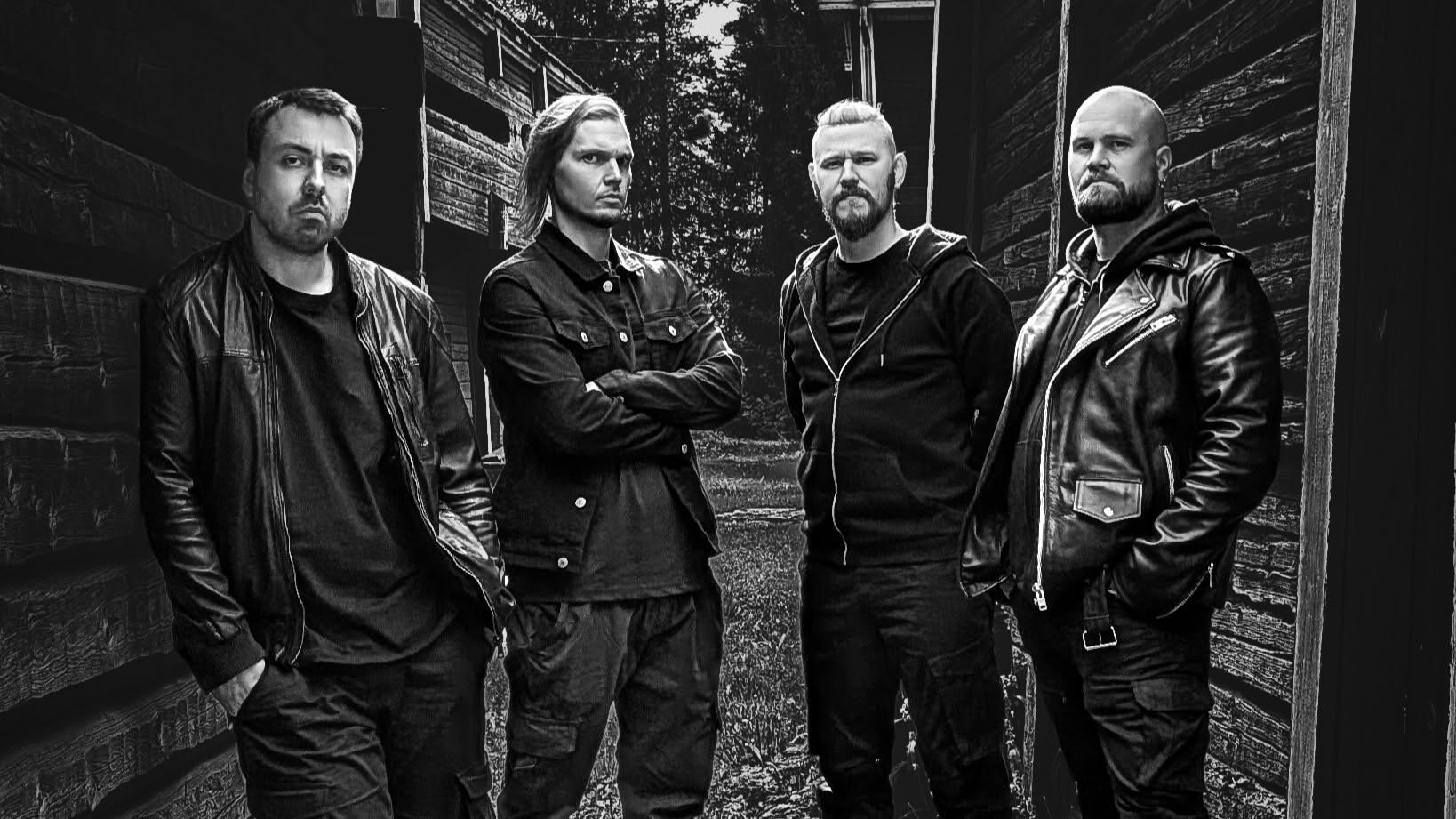
Hailing from Seinäjoki, Finland, i HELVETE have been operating at the intersection of melodic black and death metal since 2018, pursuing a songwriting approach that remains open to the possibilities offered by different genres. The fact that the band has yet to perform live, focusing its musical output entirely on studio recordings, is another aspect that has shaped the project's identity so far. On their third album, "Halla", the harsh natural conditions of Northern Finland, historical struggles and a narrative world rooted in dark folklore converge with the melancholic side of the band's sound.
The album's six tracks open with 'Nälkätalvi', which immediately establishes the foundations of its atmosphere. Ominous bells set the scene before sharp guitar riffs and harsh vocals enter, while melody serves as more than a supporting element in shaping the track's dark character. Melody plays a significant role in i HELVETE's songwriting; the guitars occasionally venture into territory reminiscent of melodic death metal, while black metal's tremolo-driven approach and more aggressive riff transitions preserve the music's harsher edge. Certain guitar melodies and the use of atmosphere also bring INSOMNIUM to mind, illustrating where these two approaches intersect. Nevertheless, i HELVETE's music is not limited to combining the familiar characteristics of these two genres.
Following the opening track, 'Halla' moves forward with heavier, more driving riffs. Sections built around a motoric rhythmic feel give the album's melodic character a tangible sense of weight. In 'Ikuinen Yö', the shift between melancholy and anger becomes more pronounced. The sombre melodies that dominate the opening section gradually give way to a harsher, more furious expression. This transition also serves as a good example of the changing emotional dynamics that run throughout the album. Rather than maintaining a single emotional register, the band occasionally brings anger and despair into direct confrontation within the same composition.
At around ten minutes, 'Kaukana Kaukaisuudessa' is the album's most demanding piece. Unconventional elements such as glockenspiel, spoken narration, a bass solo, saxophone and typewriter sounds push the track beyond the traditional boundaries of melodic black/death metal. While each of these choices is interesting in its own right, the real question is how much the different sounds contribute to the composition as a whole. In this respect, the track reveals both the album's creative potential and its limitations. Its expansive musical structure creates ample room to move beyond the familiar interplay between guitars and drums, but it is difficult to argue that all the additional elements are integrated equally successfully. The balance becomes particularly blurred in sections featuring saxophone and other guest instruments. Even so, the track is more memorable than the album's other compositions. The problem is not a lack of ideas, but the failure to consistently bring those ideas together under a cohesive musical identity.
The shorter, darker 'Hiljaisuuteen' brings the album's sense of death and destruction to the fore through its harsh vocals and dense atmosphere, while closing track 'Päätösmatka' once again foregrounds its melancholic narrative through the use of keyboards. The shifts in mood between tracks prevent "Halla" from becoming mired in a monotonous conception of darkness. At the same time, the distinct musical identities of the individual tracks matter just as much as the different sections within each composition. Despite the album's well-considered riffs, engaging transitions and unexpected instrumental choices, these elements do not always add up to compositions that leave a strong impression.
Production also becomes an important part of the discussion here. The sound, which leans towards traditional black metal aesthetics, suits the album's cold and sombre character. The problem lies not in this approach itself, but in the inconsistencies of the mix from one track to another. While the instruments come through clearly in some sections, they blur together in others, with separation particularly lacking in passages featuring guest instruments. These fluctuations in volume and clarity make it difficult for the album to deliver a cohesive listening experience. Moreover, on an album that seeks to bring together different musical elements, the mix needs to establish a clear relationship between them. The issues here also diminish the impact of the ideas i HELVETE brings to the table as songwriters.
"Halla" is an attempt to take the band's sound into new territory by expanding the traditional components of melodic black/death metal with touches of folk, thrash, classic heavy metal and jazz. This diversity demonstrates the band's musical range, but the presence of different ideas alone is not enough to establish a strong album identity. Tracks such as 'Kaukana Kaukaisuudessa' show that i HELVETE are willing to explore bolder and more unconventional arrangements, yet the fact that this approach does not translate equally into memorable songwriting is a significant shortcoming. "Halla" has satisfying potential in terms of musicianship and creative ideas; however, its inability to support that potential with consistent songwriting and balanced production makes it difficult for the album to carve out a distinct place for itself in contemporary melodic black/death metal.
