
ALBUM REVIEW
HAGEL – The Veil Of Shadows
Melancholic melodies shape bleak blackened doom.
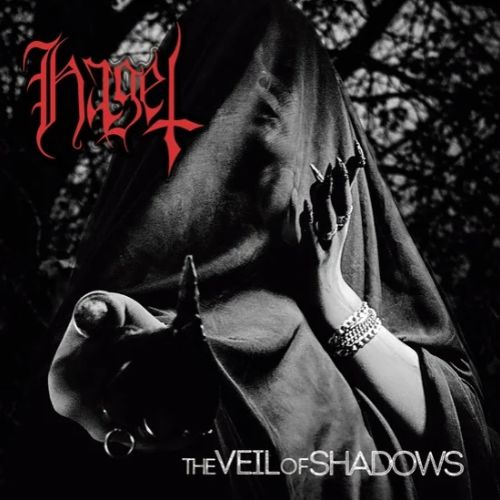
HAGEL’s history in Mexico’s underground metal scene dates back to 1995, but the band’s discography only began to take shape after a lengthy hiatus following their dissolution in 2000. Revived by Carlos Velázquez in 2014, the band finally brought some of its earlier compositions to light with its 2021 debut album, “Veneration Of The Black Light”. Released on November 6 through PERSONAL RECORDS, “The Veil Of Shadows” is their second release, a five-track, 21-minute effort that continues to explore HAGEL’s black-doom approach with a new lineup.
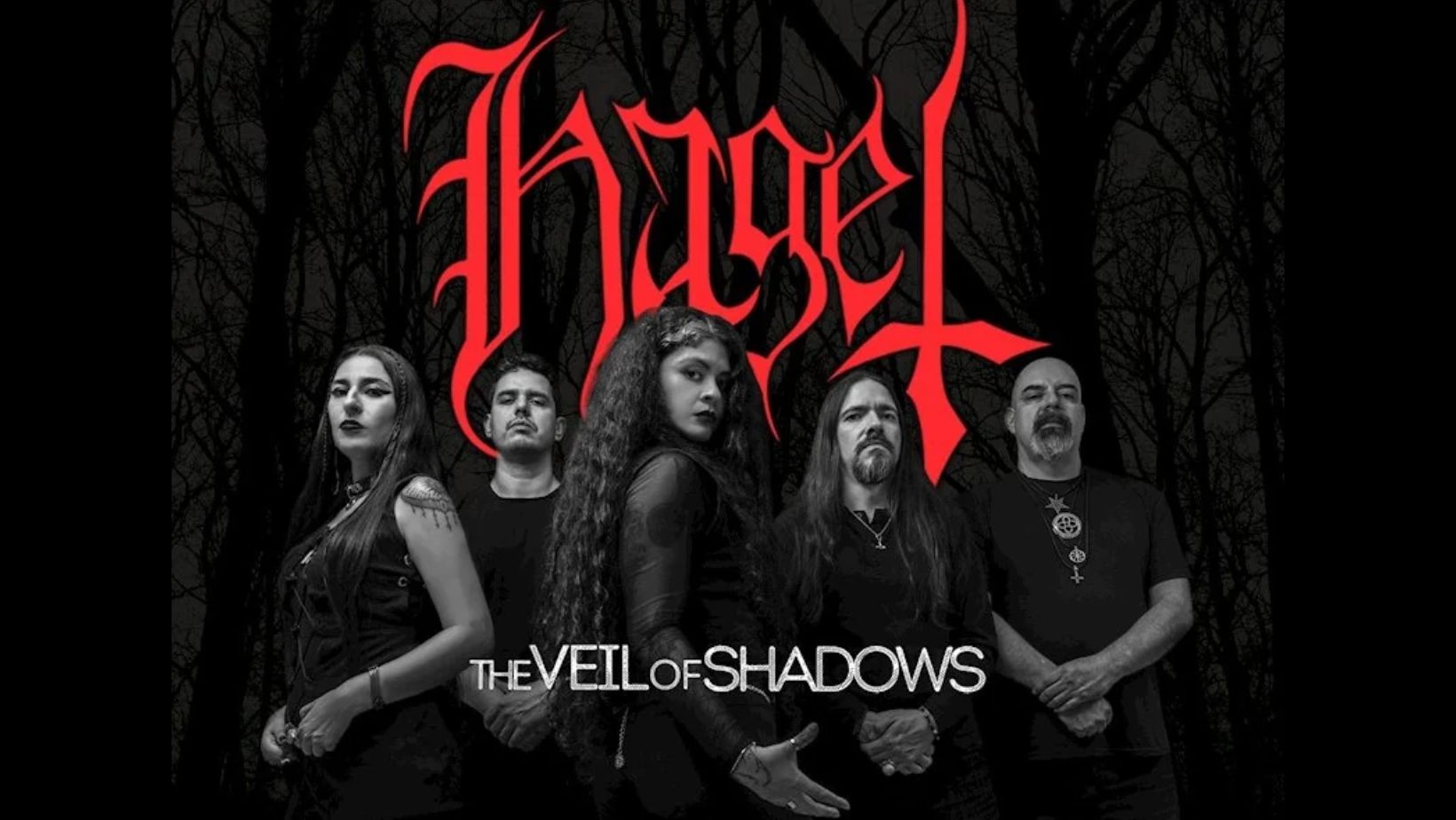
The most significant change in the current lineup is vocalist Iveth Herrera, who joined the band in 2024. While Iván Saldaña, who handled vocals on the debut, now focuses exclusively on guitar, Herrera’s harsh, abrasive vocal delivery brings the darker side of the music into sharper focus. Her interplay with the melodic guitar lines, in particular, pushes HAGEL beyond conventional doom metal heaviness and towards the colder, more unsettling atmosphere of black metal. There are moments when her vocal approach brings DARKENED NOCTURN SLAUGHTERCULT to mind. Even so, Herrera’s performance never completely overshadows the band’s melodic sensibilities.
The melodic framework carried by the guitars is even more central to understanding the album’s character. Built around extended repetitions, the riffs create a slow-building tension rather than relying on outright speed or technical showmanship. Subtle dissonances in the melodies add an unsettling dimension to the familiar darkness of doom, while the guitars’ mournful progressions deepen the emotional weight of the songs. This approach recalls the melodic darkness found in the early works of OPHTHALAMIA and FORGOTTEN WOODS. There is also a noticeable affinity with early KATATONIA, although HAGEL’s music carries a considerably stronger black metal influence.
The tempo on “The Veil Of Shadows” remains predominantly restrained. Faster passages serve less to alter the overall character of the songs than to intensify the tension at specific moments. The tempo shift near the beginning of the second section of 'Effluvium' is a good example. This brief burst of movement injects some much-needed dynamism into the otherwise slow-moving structure while preventing the album from becoming a monotonous exercise in atmosphere. HAGEL never treats speed as an end in itself, using rhythmic changes only to the extent that they serve the dramatic flow of the compositions.
The band’s approach to black-doom goes beyond simply combining the slowness of doom metal with the aggression of black metal. The balance between doom’s ponderous melodic progressions and black metal’s vocal and atmospheric sensibilities forms the album’s central aesthetic framework. Although PERSONAL RECORDS’ promotional material cites early MOONSPELL, ROTTING CHRIST, MORTUARY DRAPE, EMPYRIUM, SAMAEL and TIAMAT among the band’s influences, the music itself bears a more readily identifiable resemblance to OPHTHALAMIA, FORGOTTEN WOODS and early KATATONIA. These reference points help put HAGEL’s musical roots into perspective, but the band’s ability to establish an identity of its own ultimately depends on how successfully it makes that legacy its own.
The album’s brief running time allows “The Veil Of Shadows” to make its statement without unnecessarily stretching things out. Just as importantly, it never feels compelled to make its darkness increasingly oppressive. The heavy riffs, bleak melodies and Herrera’s raw vocals establish a coherent atmosphere, while occasional tempo changes keep it from becoming static. What emerges is less an exercise in depressive collapse than a form of blackened doom fuelled by melancholy and drawing the listener inward.
With “The Veil Of Shadows”, HAGEL do not radically transform the established elements of the genre or offer us anything particularly new. Instead, they follow a path that remains true to their musical roots, combining the melodic black metal heritage of the '90s with doom metal’s ponderous approach. The strongest aspect of this approach is the band’s ability to build its dark atmosphere not solely through vocals and aggression, but also through the emotional tension carried by its guitar melodies. More concerned with the aesthetics of '90s melodic black/doom than with pursuing innovation, this is a short but rewarding release that succeeds in creating an atmosphere of its own.

facebook.com/profile.php?id=100063703533638
personal-records.com
personal-records.bandcamp.com
facebook.com/personalrecords666