ALBUM REVIEW
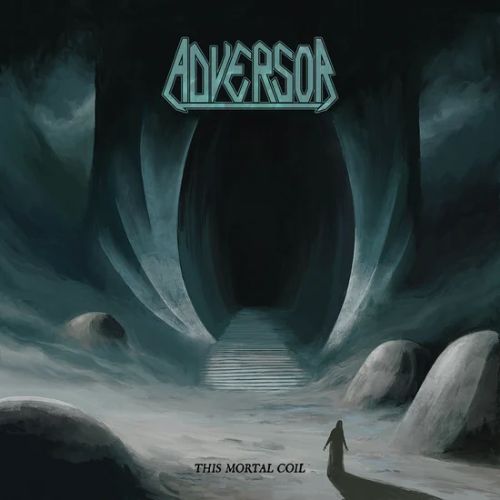
ADVERSOR – This Mortal Coil
Traditional thrash meets progressive experimentation.
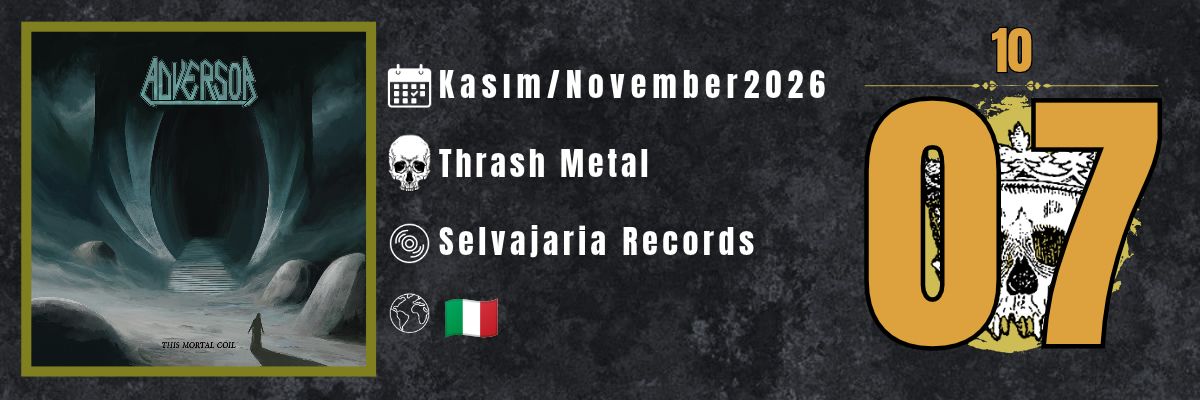
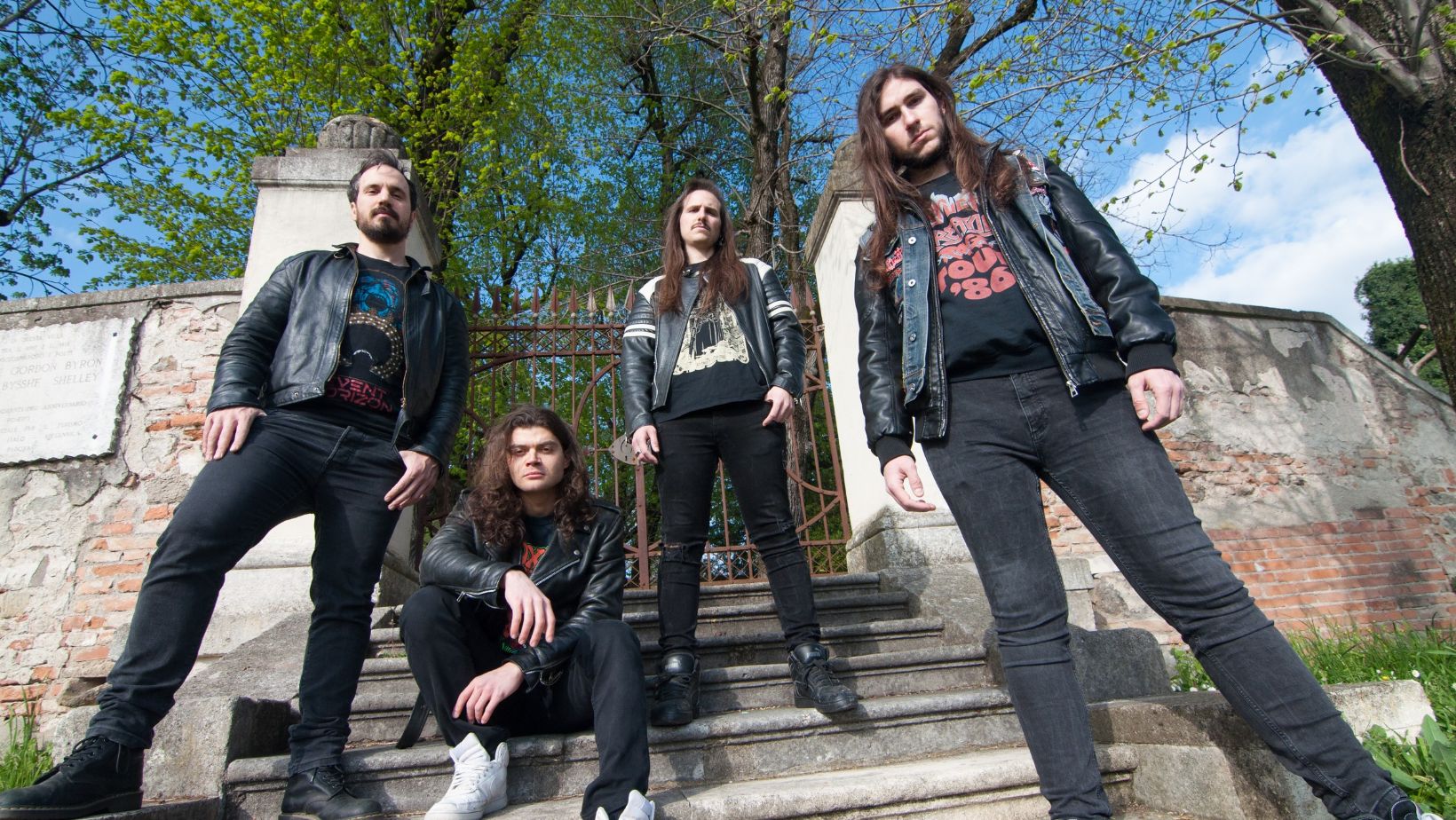
ADVERSOR, one of the more prolific acts in the Italian thrash metal scene, was formed in 2015 by vocalist/guitarist Dado and his brother Ja on drums, following the dissolution of H.o.S. (Harvester of Sorrow). In the eleven years since, the band has released four albums, and with “This Mortal Coil”, their follow-up to 2023’s “Portrait of a Wasteland”, they take their musical approach into broader territory. The legacy of ’80s thrash metal remains one of the foundations of their sound, but this time progressive elements, unconventional instrumental passages and melodic excursions also find their way into the album’s musical vocabulary. The result is a record that moves between the genre’s traditional boundaries and a freer approach to composition.
Opening track ‘Path to Oblivion’ immediately draws attention to Ale’s bass playing. Following this brief instrumental introduction, ‘Shattered Visions’ lays out ADVERSOR’s thrash metal identity in no uncertain terms. Dado’s harsh, aggressive vocals, razor-sharp rhythm guitars and Ja’s straightforward yet effective drumming generate an energy that is particularly reminiscent of early KREATOR. Second guitarist Phil’s melodic touches and solos round out the arrangement. The album’s guitar work, however, is not indebted solely to the German thrash tradition; darker shades of the American school, particularly SLAYER, also emerge between the riffs and melodic passages. At times, these influences become so pronounced that the band’s own musical identity takes a back seat.
The most significant shift in ADVERSOR’s songwriting lies in its desire to stretch classic thrash structures into longer, more varied compositions. ‘This Mortal Coil’ retains the genre’s traditional sense of speed and rhythm while opening up melodically through passages in which the guitars trade lines. The title track’s fluid rhythmic drive, the interplay between the guitars and its measured use of solos make this approach easy to appreciate. ‘Totem of Doom’, meanwhile, delivers one of the album’s most effective thrash moments with a shorter, more direct arrangement. By avoiding unnecessary extensions, the track allows its riffs and rhythmic energy to hit with greater force.
Looking to explore a different compositional approach, ADVERSOR pushes these boundaries further on tracks such as ‘Gargantua’ and ‘Ghost of Ourselves’. ‘Gargantua’ is particularly notable for moving away from its initial thrash framework and opening up into an extended instrumental passage. Jazz-inflected runs in Ale’s prominent bass lines, guitar solos and shifting tempos set the track apart from more conventional thrash arrangements. Bringing to mind technical thrash acts such as Vektor and CORONER, this approach offers a valuable showcase for the band’s instrumental abilities. That said, the extended instrumental sections sometimes disrupt the tension established in the opening stretch. The instrumental exchanges and guitar-bass interplay in ‘Ghost of Ourselves’ stem from a similar desire to explore different territory. However, the chorus veers towards a more familiar, contemporary KREATOR sound, somewhat undermining the track’s otherwise more adventurous arrangement.
One of the album’s most interesting rhythmic features is the way the bass is treated as more than an accompanying instrument simply following the guitars. Ale’s fluid, occasionally melodic lines take on an independent character, particularly in passages such as ‘Side By Side’ and ‘2066’. Despite its brevity, ‘2066’ serves as an interlude that ushers in the album’s more experimental side, with its circular keyboard sounds and prominently featured bass. The science-fiction atmosphere here also connects with the cosmic direction of ‘Gargantua’, which draws inspiration from the films Interstellar and Event Horizon. This continuity, including a nod to ‘Event Horizon’ from the band’s debut album, creates a meaningful thread running through ADVERSOR’s discography. Closing track ‘Again… Through the Dark Portal’ brings this thematic thread to an end with its gradually expanding guitar sounds and atmospheric approach.
In ADVERSOR’s lyrics, social issues and personal loss exist side by side. ‘Burn’, dedicated to Giulia Cecchettin, who was murdered by her former partner, directly addresses violence against women. The heavy riffs in the middle section and memorable guitar solo translate the emotional weight of the subject into the music. ‘The Heritage’ focuses on the loss of a friend, while ‘Ghost of Ourselves’ takes a more introspective approach to questions of personal identity and how it changes over time. These themes suggest that the band is seeking to express its social commentary through more than just angry vocals, exploring a range of different ways to tell its stories.
The production is clean and modern, yet retains the characteristic texture of ’90s thrash metal. The guitars remain clearly defined, the drums sit tightly in the mix, and the bass is sufficiently audible to prevent the instruments from obscuring one another. The fact that Ale’s playing can be followed so easily is a particularly effective choice that reinforces the album’s technical side. Dado’s aggressive vocals, meanwhile, bear a resemblance to early Mille Petrozza. While this fits with the German thrash influence running throughout the record, it also means that his vocal approach occasionally sounds a little too familiar.
For all its exploratory ambitions, the most debatable aspect of “This Mortal Coil” is the gap between the strength of its instrumental performances and the cohesion of its songs. On some tracks, extended solos and instrumental transitions take up more space than the compositions really need. ‘The Heritage’ and ‘Side By Side’ also struggle to turn their musical ideas into more effective arrangements. Particularly in the album’s second half, the melodic ideas and choruses fail to maintain the same impact, dragging down the overall momentum. By contrast, ‘Totem of Doom’, ‘Burn’ and the title track demonstrate just how effective the band can be with a more controlled approach to songwriting.
On their fourth full-length album, “This Mortal Coil”, ADVERSOR do not abandon the fundamental language thrash metal inherited from the ’80s; instead, they seek to expand it with progressive and melodic elements. This approach does not always succeed, but it makes clear that the band is not content simply to recycle the formulas of the past. Their technical proficiency, and particularly the role of the bass in their compositions, are among the qualities that set ADVERSOR apart from more conventional followers of the genre. Still, the more musical ideas they introduce, the more apparent the need becomes to bring them together with greater compositional discipline. “This Mortal Coil” may not yet offer a fully cohesive realisation of that ambition, but it marks a noteworthy step in the band’s attempt to forge a connection between traditional thrash metal and a freer approach to songwriting.

Adversor
Facebook: https://www.facebook.com/adversorthrash
Instagram: https://www.instagram.com/adversorthrash
Bandcamp: https://adversorthrash.bandcamp.com
YouTube: https://www.youtube.com/@adversorthrash
Selvajaria Records
Official: https://www.selvajariarecords.com
Bandcamp: https://selvajariarecords.bandcamp.com
Facebook: https://www.facebook.com/selvajariarecords
Instagram: https://www.instagram.com/selvajaria_records
YouTube: https://www.youtube.com/@SelvajariaRecords