ALBUM REVIEW
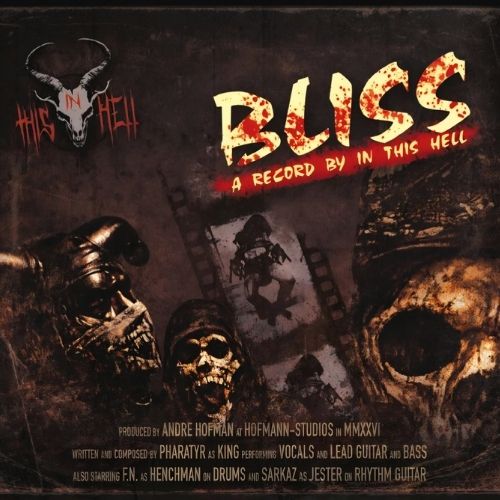
IN THIS HELL – Bliss
Strong riffs, raw sound, repetitive songwriting.
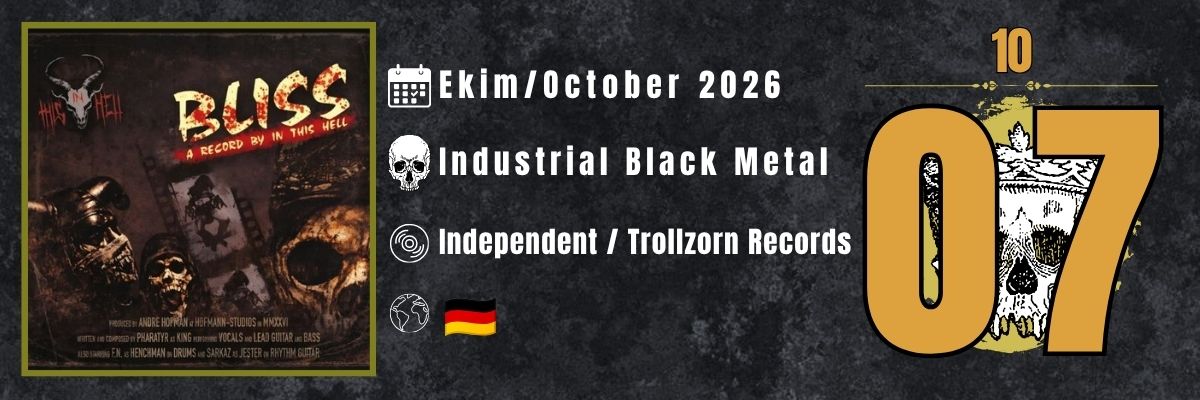
IN THIS HELL, hailing from Coburg, deliver their debut full-length, drawing on the Death, Thrash and Black Metal traditions of the ’80s and ’90s. Across nine tracks and more than 45 minutes, there is ample material to explore the band’s approach to the various strands of Extreme Metal. The contrast between the title "Bliss" and the music’s dark subject matter also takes on meaning in light of the band’s view of human nature. This is a world in which reason and morality are pushed aside, leaving the lust for power to take control.
Opening with 'There Are No Voices', the album combines the sheer weight of Death Metal with the forward-driving rhythms of Thrash and the dark atmosphere of Black Metal. The elements IN THIS HELL draw from these different styles never feel entirely disconnected; distinct riffs and shifts in pace form the musical backbone of the record. The rawness of old-school Extreme Metal is unmistakable, while modern touches in the guitar work and unexpected transitions keep the music from relying on nostalgia alone. Still, the band’s real challenge lies not so much in bringing familiar genre traditions together as in giving that combination a character of its own.
The guitar riffs, shaped around varying tempos, are among the most convincing aspects of "Bliss". The contrast between heavy mid-tempo passages and sections that pick up the pace considerably gives the arrangements more room to breathe, particularly on tracks such as 'The Longing Sticks To Us' and 'King'. Here, the aggression stems from more than sheer speed; rhythmic shifts allow the riffs to convey their weight in different ways. Occasional melodies with a distinctly martial character also help the music stick in the memory. The march-like passages in 'Our Little Kingdom' demonstrate how much more effective the band can be when it gives its aggression a melodic focal point.
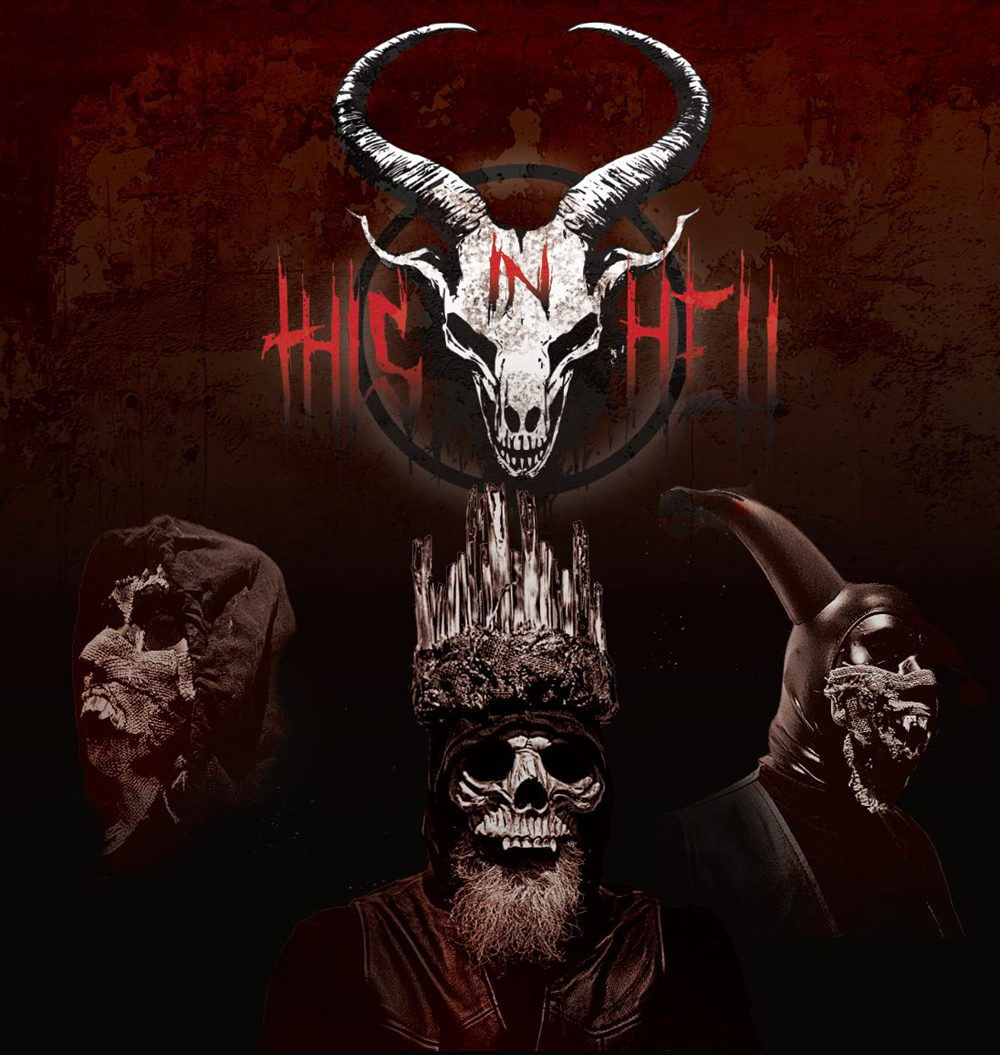
F.N.’s drumming reinforces this sense of movement, shifting between rapid-fire blast beats and groove-oriented passages. His ability to adapt to the guitars’ changing tempos preserves the album’s ferocity while opening up different rhythmic possibilities. Pharatyr’s coarse, guttural vocals are equally well suited to the music’s dark and aggressive character. Screams and deep growls are woven into the instrumentation, reinforcing the tracks’ intensity. Sarkaz’s rhythm guitar work and Pharatyr’s lead playing also help shape the distinctive riffs and occasional melodic flourishes.
However, taking "Bliss" as a nine-track whole yields a different impression from considering its individual songs. Tracks such as 'Over The Line' and 'Meant To Feed The Fire' foreground sheer aggression and a bleak atmosphere, but similar compositional choices begin to repeat themselves as the album progresses. The fact that each song is forceful and effective on its own does not mean the structural differences between them are sufficiently pronounced. Fast passages and groove-driven transitions are present, but they do not always develop into broader dynamic shifts. As a result, the energy that makes an immediate impression on first listen occasionally loses its impact when the album is played straight through.
This has less to do with the band’s musical ability than with its arrangement choices. More pronounced contrasts in tempo, greater variation in how riffs are developed and more room for melodic passages could have given the tracks more distinct identities. The shift towards Brutal Death Metal in 'In This Hell' and the bridge heard around the midpoint of 'Over The Line' show that the band can deliver effective results when it steps outside its established formula. The mid-tempo march of 'King', in particular, lends the album’s closing stretch a different kind of weight. More frequent and bolder use of such contrasts could have made "Bliss" a more compelling listening experience as a whole.
The production is another factor shaping the album’s impact. Its slightly overloaded, raw sound supports the music’s dirty character, keeping the heavy riffs and drums well away from anything overly polished. Yet the same approach makes it harder to distinguish the instruments, particularly in the denser passages. A more controlled mix could have brought the rhythmic and melodic distinctions already present in the band’s music into sharper focus. Rawness is not inherently a flaw here; the question is how effectively that choice brings out the music’s dynamics. The existing sound reinforces the atmosphere, but it also limits the impact of certain details.
The interplay between Death, Thrash and Black Metal is hardly new territory in today’s Extreme Metal scene. IN THIS HELL’s engagement with the legacy of the ’80s and ’90s is less about radical genre reinvention than about combining the ferocity of those traditions with a contemporary approach to performance. The album’s value lies not in any claim to innovation, but in the energy with which the band works this material. Yet choosing the right ingredients is not enough to establish a distinctive sound; those ingredients need to interact differently from track to track. "Bliss" suggests that IN THIS HELL has the potential to achieve this, while making it clear that the process is far from complete.
IN THIS HELL’s debut full-length is a promising start, demonstrating a firm grasp of classic Extreme Metal traditions and making an impression through its ferocity and occasional melodic flourishes. At the same time, repetitive arrangements and details obscured by the production diminish the album’s staying power. The challenge ahead is not to play faster, harder or more intricately, but to develop the riff-driven strength the band already possesses through more pronounced contrasts. "Bliss" provides a solid foundation, but leaves open the question of whether IN THIS HELL can forge a lasting musical identity from the familiar building blocks of the genre.

https://www.facebook.com/inthishellOfficial
https://www.instagram.com/inthishell_official
https://inthishell.bandcamp.com