EP REVIEW
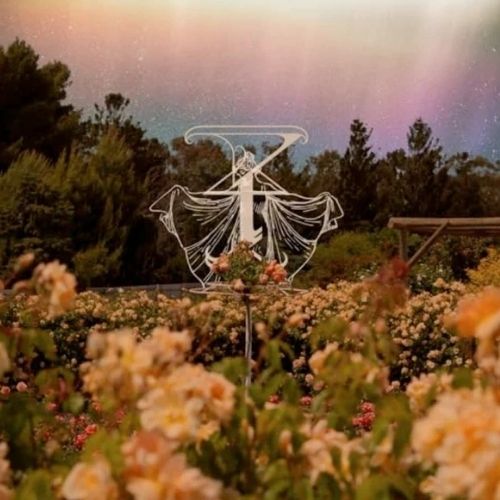
KOH – Golden Death
Heavy Melodic Transformation
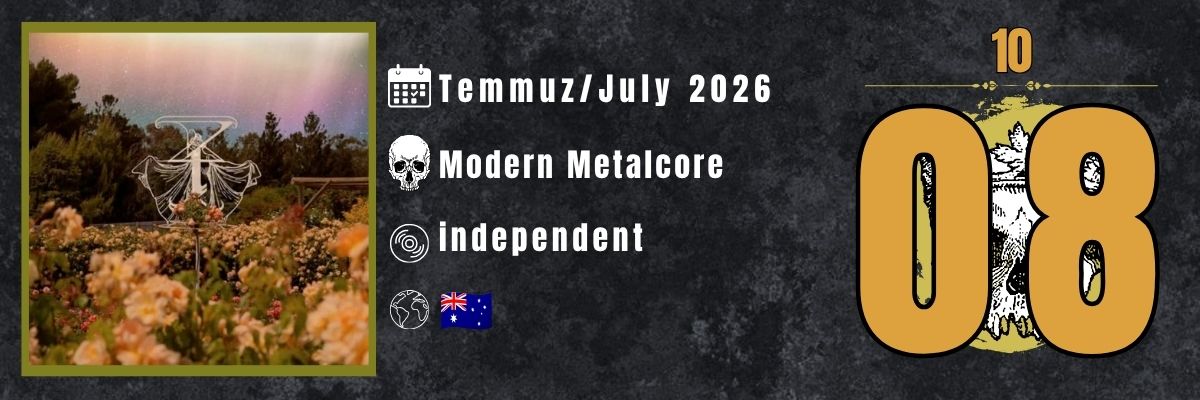
KOH, emerging from Darwin, Australia, are one of the new-generation bands shaping their own interpretation of modern metalcore’s balance between heaviness, atmosphere, and technical detail. Combining djent-influenced rhythmic structures, melodic expansions, and an aggressive vocal approach, the band are not simply following the established formulas of the genre with their debut EP "Golden Death"; they are attempting to build a distinct identity of their own. Consisting of seven tracks, this release serves as a strong introduction to how KOH bring together their heavy riff-driven approach with atmospheric and experimental touches within the same framework.
KOH open "Golden Death" with ‘Aurea Mors’, a brief atmospheric introduction. Lasting only 46 seconds, the track prepares the arrival of the main assault through string textures and a cinematic approach, while the use of reverse reverb creates an organic transition between the EP’s opening two tracks. However, the true purpose of this short introduction is not simply to establish an atmosphere, but to make the crushing metalcore foundation of the following track, ‘Blasphemous’, stand out more clearly. KOH do not completely abandon the current formulas of modern metalcore; instead, they combine the genre’s djent-influenced rhythmic structures with melodic expansions and a rawer guitar tone, reshaping these elements through a more dynamic and dramatic songwriting approach.
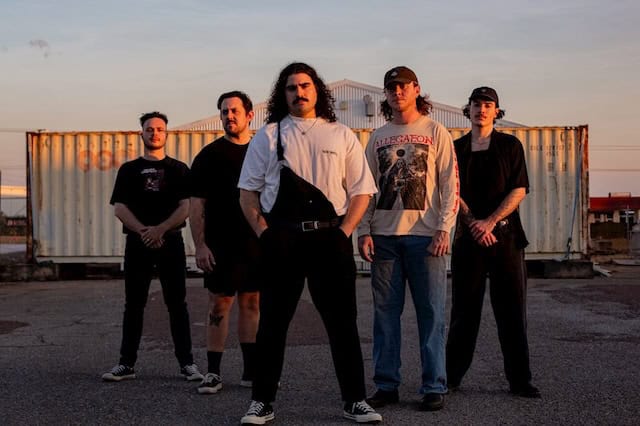
‘Blasphemous’ is one of the tracks that most clearly reveals the EP’s core approach. The song balances djent-rooted grooves built around heavy, repetitive guitar blocks with broader melodic spaces supported by atmospheric verses and clean vocals. The sudden tempo changes introduced during the breakdown sections prevent the track from becoming confined within a predictable metalcore structure. Andy Kala’s aggressive growl performance is not used merely as an element of heaviness during these transitions, but as a tool that heightens the song’s structural tension. Here, KOH apply the genre’s classic contrast between “heavy sections and melodic choruses” while making the transitions between these two areas more controlled.
‘River Mirror’ brings the band’s melodic side further into focus. The opening riff structure and high-energy rhythmic flow move along the boundary between modern alternative metal and metalcore. The descending bass lines before the chorus, in particular, reveal that the track is not built around guitars alone. The active use of bass during these transitions strengthens the song’s melodic movement while giving the rhythm section greater character. Although the heavy-soft dynamics found throughout the track are a common technique within contemporary atmospheric metalcore, KOH do not use them merely to create contrast; they treat them as a fundamental part of the song’s architecture. In this sense, the track shares similarities with the atmospheric approach of modern metalcore acts such as Northlane, while distinguishing itself through KOH’s more direct and raw performance style.
One of the EP’s strongest qualities is its ability to create different compositional identities within a short seven-track release. ‘Immolate’ represents the band’s more traditional pit-oriented side. Simple yet effective riff structures, the slowing final breakdown section, and Kala’s intense vocal delivery build the track around a direct physical response. Here, KOH rely on rhythmic weight rather than complex arrangements, and this choice works in the song’s favor.
‘Lightless’ is one of the moments where the band’s technical abilities become more apparent. While remaining rooted in metalcore, the track introduces more dynamic passages that move closer to technical death metal influences. Drummer Luke Kohler’s freer, jazz-influenced rhythmic approach, especially during the quieter sections, demonstrates that the band is not built solely around breakdown-focused structures. The balance between Kieran Pearce’s guitar solos and Lucas Sharp’s rhythm guitar work is also significant here; melodic embellishments expand the track’s atmosphere without overtaking its central structure. The programmed electronic elements, meanwhile, are used as a supporting layer within the arrangements rather than becoming the center of the music. This approach avoids the common issue in modern metal where electronic additions can sometimes remain nothing more than aesthetic accessories.
‘Follow Your Ghost’, despite originating from the band’s earlier material, maintains its place within the EP’s overall structure. The track combines harsh staccato guitar attacks with more melodic and atmospheric sections. What KOH achieve here is their refusal to view aggression and melody as alternatives to one another. Instead of placing these two fundamental elements of modern metalcore in opposition, the band allows them to work together within the same composition.
The final track and title song, ‘Golden Death’, brings all of these different aspects of the band together in one place. The song’s atmospheric guitar introduction is later broken by blast beats and harsher vocal sections. This contrast supports the EP’s central theme of transformation through musical means; however, it achieves this not through a direct narrative approach, but through changes in arrangement. The melodic vocal layers, atmospheric guitar textures, and closing guitar solo prevent the track from functioning merely as a heavy conclusion, turning it into a summary of the band’s different strengths.
The production of "Golden Death" has a powerful and clean structure that aligns with the current standards of modern metalcore. The low-end weight of the guitars, the clarity of the drums, and the balance of the vocals within the mix highlight the band’s rhythmic precision. At the same time, the production avoids an overly sterile modern metal approach; particularly the rawness found in certain guitar tones helps preserve the energy of the band’s live performance. This choice supports the fundamental balance within KOH’s music: a controlled approach technically, but one that does not feel like an entirely polished studio product.
The visual and conceptual side of "Golden Death" creates a framework that supports the band’s theme of musical transformation. The idea of reconstruction and change is present not only in the lyrics, but also in the contrasts established between the heavier sections and melodic expansions throughout the songs. In this sense, the concept does not feel like an idea added onto the music afterwards; instead, it moves in parallel with the band’s arrangement choices.
On their debut EP, KOH use the current tools of metalcore, but they do not apply them solely to satisfy the expectations of the genre. Djent-influenced riffs, atmospheric layers, electronic touches, and technical passages become defining elements of the band’s identity. "Golden Death" is not a release that completely redefines the boundaries of the genre; however, it demonstrates that KOH have developed a strong songwriting approach within those boundaries. The EP positions itself as a release that asks listeners to pay attention not only to the heavy sections themselves, but also to how those sections are constructed and how melodic ideas are integrated into the overall framework.
OZAN