ALBUM REVIEW
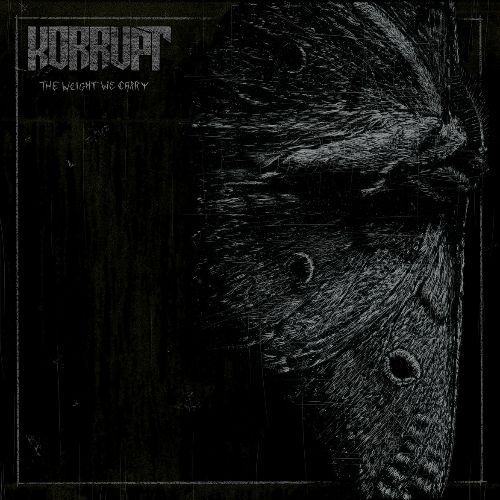
KORRUPT – The Weight We Carry
Blackened hardcore with infectious melodic choruses.
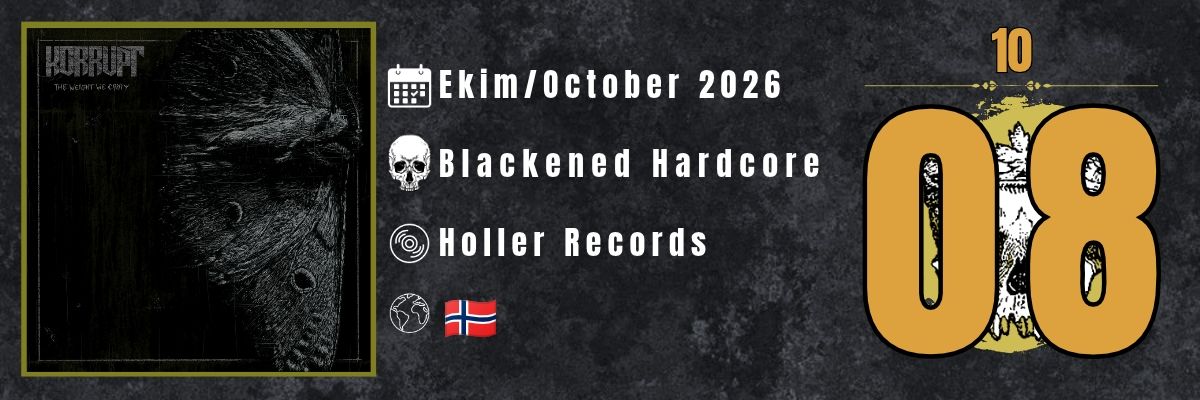
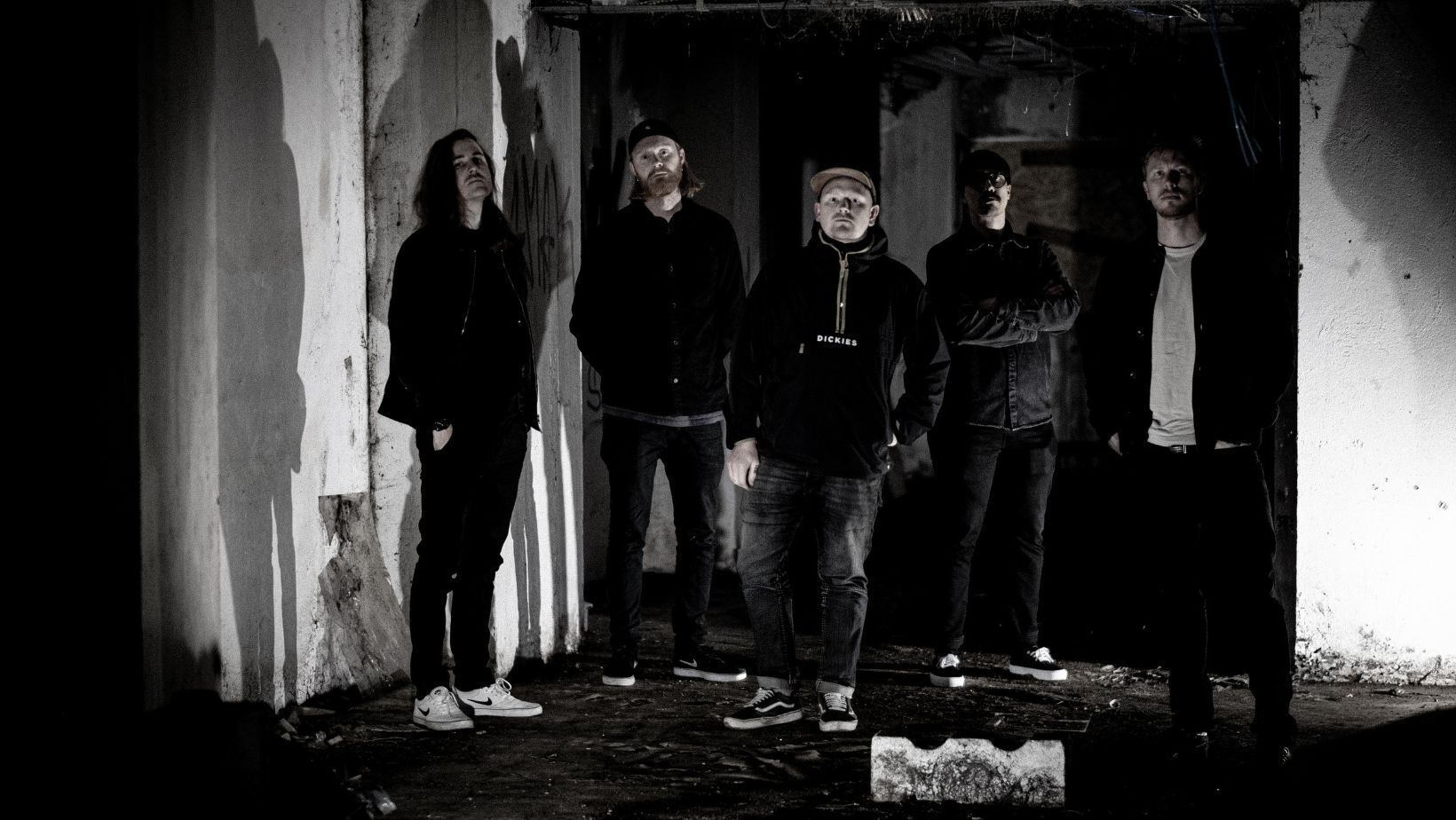
Whenever extreme music and Norway come up in the same conversation, Black Metal is inevitably the dominant image that springs to mind for many of us. Yet the country's potential for extreme music remains just as alive and productive across its many underground scenes as life itself. Hailing from Kristiansand, KORRUPT channels the anger shaped by the conservative Christian culture of Norway's southern coast into nine tracks on its third studio album, "The Weight We Carry". Formed in 2013, the band draws on social pressure, religious authority and the sense of being constantly watched in a small community, themes that inform not only its lyrics but also its musical approach, which brings the directness of hardcore together with the ferocity of black metal. Following 2023's "Secret Sorrows", the new album explores these opposing forces through a more clearly defined approach to songwriting.
Opening track 'Narrative Warfare' immediately establishes the sharp guitar tone and high energy of the rhythm section. Bringing classic heavy metal riffs together with punk's restless momentum, the song refuses to rely on speed and aggression alone, building melodic lines around its raw vocals. This is where KORRUPT's distinctive character begins to emerge: tremolo-driven guitars and blast beats drawn from black metal collide with the physical energy of hardcore, while memorable choruses remain firmly in the foreground. The resulting combination recalls KVELERTAK, but rather than coming across as direct imitation, it demonstrates how different traditions can work together within a single composition.
'Waiting For The Sun' takes this fusion to a more extreme level. Blast beats and black metal harmonies propel the song at breakneck speed before a shift in vocal delivery steers the chorus towards punk rock. These two contrasting elements might seem at odds on paper, but the natural flow of the rhythmic transitions makes them work in the song's favour. 'Being, Paranoid', meanwhile, eases off the pace slightly, bringing the rock-oriented side of the guitars and the band's knack for writing choruses to the fore. The two vocalists, whose deliveries occasionally converge and overlap, add movement to the overall texture without compromising the music's ferocity. KORRUPT's refusal to treat melody merely as a breather between aggressive passages is an important factor in making the album more accessible.
On the title track, 'The Weight We Carry', interweaving guitars establish a melodic thread rooted in classic heavy metal. The chorus opens up into something broader, giving the song an emotional dimension that sets it apart from the others. Its melodic sensibility carries a rock instinct that brings TURBONEGRO's knack for memorable choruses to mind, yet the dark guitar tones and harsh vocals prevent this approach from softening the music. 'Devoted to the Grave' strikes a similar balance at a higher tempo. Driven by hardcore's forward momentum, the track stands out for its expansive, forceful chorus, while flashes of blues rock make the band's shifts between genres even more apparent.
'Deathwish' makes effective use of rhythmic changes, following riffs layered over blast beats with a heavier chorus. These transitions do more than vary the pace; they reshape the song's energy at different levels of intensity. On 'Totalitarian', angular guitar riffs and punishing rhythms come up against more melodic vocal layers. The tension between the guitars' rock sensibility and the hardcore and black metal elements takes on a more unsettling character through brief atonal touches. KORRUPT's ability to bring together elements from different genres is clearly audible in these tracks, but their reliance on similar build-ups and chorus structures also raises the possibility of structural monotony in the album's middle stretch.
'Eternal Rest' breaks away from this pattern, opening with a darker death metal character. As the song unfolds, shifts in tempo and style become more pronounced, with the guitars taking sharp turns between different musical directions to create one of the album's most varied passages. The closing track, 'I Am the Soil', takes a different route, pairing an atmospheric opening with a funeral-march-like rhythmic approach and an expansive chorus. Following an introduction underscored by church bells, the guitars move into a pattern built around staccato rhythms, showing that the song's dark atmosphere is not shaped by speed and aggression alone. The chorus, with its move towards cleaner vocals, reveals another side of the album's melodic sensibility. It is one of the moments when KORRUPT manages to broaden its expressive range without abandoning the harsh vocal approach that defines its sound.
The vocals are among the album's most notable strengths, but also one of its limitations. The screams and forceful shifts in delivery reinforce the music's aggressive character, while the contrasting approaches of the two vocalists contribute to the compositions' dynamism. However, this intensity is not equally effective in every song. The frequent recurrence of similarly harsh vocal passages occasionally leaves the listener wanting greater melodic variety. The moments featuring cleaner vocals and more expansive choruses are therefore important: they do more than provide contrast; they also make the aggression elsewhere on the album hit harder.
Throughout "The Weight We Carry", KORRUPT follows a path that recalls the relationship KVELERTAK establish between black metal and rock 'n' roll, while drawing on TURBONEGRO's melodic appeal and COMEBACK KID's hardcore energy. The cold guitar character associated with IMMORTAL lends this combination a darker edge. What makes the album worthwhile, however, is less the number of influences at play than the fact that the transitions between them generally feel natural. Not every track offers a new structural approach, but the strong choruses, shifts in tempo and contrasting arrangements heard on 'Eternal Rest' and 'I Am the Soil' show that the band is doing more than simply generating aggression through genre collision.
"The Weight We Carry" is an album in which songwriting repetition occasionally becomes apparent, but its melodic instincts and ability to bring different genres together largely compensate for this limitation. KORRUPT's themes of religious and social oppression are consistent with the confrontational character of the music, yet the album's impact can be felt even without knowing the background behind them. Bringing the ferocity of blackened hardcore together with the memorability of punk rock, the record does not fundamentally reinvent the genre's core elements. Instead of setting melody against aggression, it gives the two equal weight. That balance is precisely where KORRUPT establishes a firmer sense of its own musical identity.
