ALBUM REVIEW
MAGIC OPERA - The Final Flight
Epic Symphonic Finale
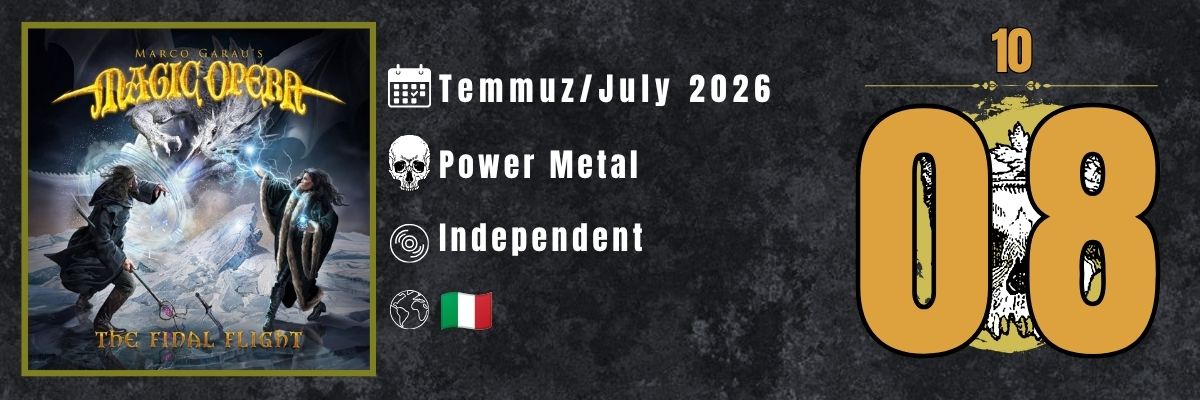
MAGIC OPERA, shaped under the guidance of Italian composer and keyboardist Marco Garau, stands out as a concept-driven project rooted in the symphonic and neoclassical power metal tradition. Throughout “The Amtork Saga” trilogy, the band has remained connected to the classic European school of the genre through its fantasy-driven narrative, grand orchestral arrangements, and highly melodic compositions, bringing this long-running story to its conclusion with “The Final Flight”. The album once again showcases MAGIC OPERA’s distinctive compositional approach, balancing epic atmospheres, technical virtuosity, and dramatic song structures.
With “The Final Flight”, MAGIC OPERA completes the three-album narrative of “The Amtork Saga”. However, rather than serving as a finale that opens the door to unexpected new directions, this closing chapter focuses on the most refined expression of the compositional identity established by the project from the very beginning. Garau does not attempt to change the genre or rewrite the formula; instead, he presents one final, cohesive statement built around neoclassical touches, grand keyboard arrangements, and strongly melodic power metal structures.
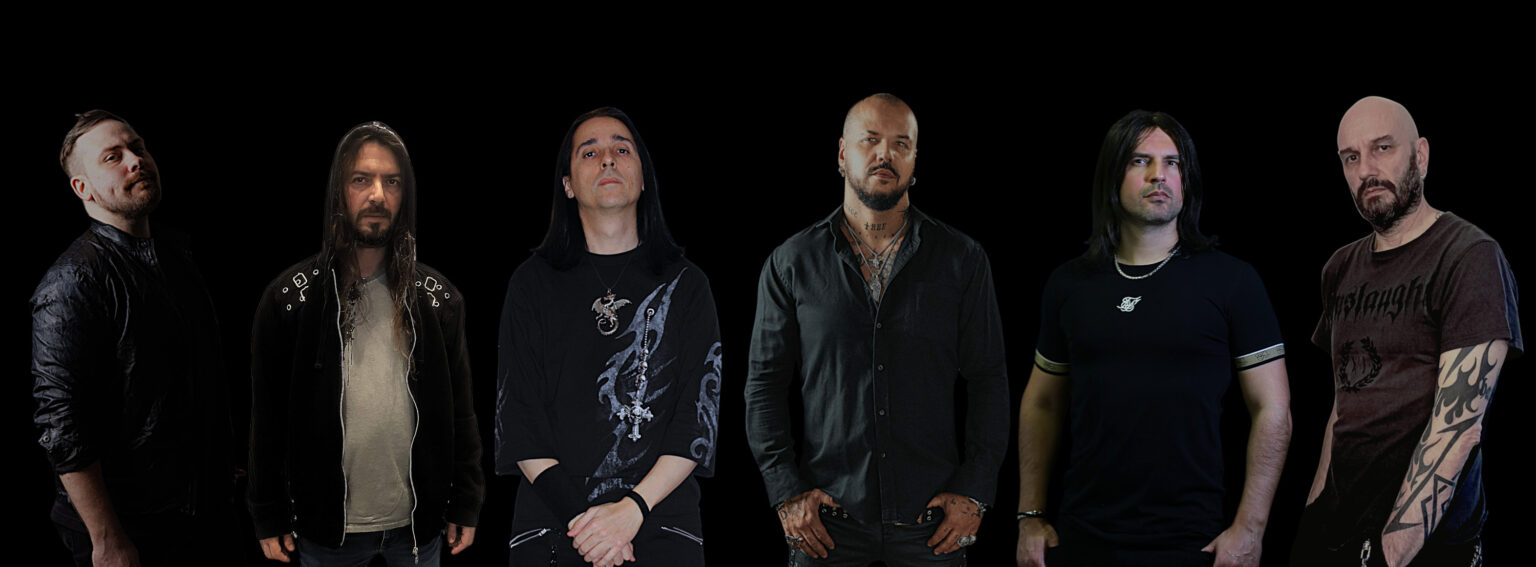
The album’s opening track, “The Danger’s Growing Dark”, begins with a restrained atmosphere that initially evokes the feeling of a film soundtrack. The string-like keyboard textures and controlled melodic introduction soon develop into the classic Italian symphonic power metal tradition. However, unlike MAGIC OPERA’s previous releases, darker tones become more prominent here. The harsher passages occasionally added to Anton Darusso’s clean vocal approach create a contrast that supports the dramatic side of the story. This approach does not completely abandon the genre’s traditional heroic narrative, but it introduces a more noticeable sense of tension beneath the melodies.
“The Black Gem” is one of the tracks that reveals the album’s core principles most clearly. The powerful double bass patterns, expansive chorus structure, and neoclassical guitar-keyboard interplay directly represent MAGIC OPERA’s compositional identity. Marco Garau’s keyboard arrangements are not merely used to create atmosphere; they remain in constant dialogue with the guitars as a crucial part of the melodic foundation. This is one of the key elements that separates the album from many contemporary symphonic power metal releases. While keyboards often function merely as an orchestral backdrop in many modern examples, they become an active force shaping the direction of the compositions in MAGIC OPERA’s music.
“Unholy Alliance” presents one of the album’s more experimental moments. The folk-influenced section and flamenco-inspired guitar approach briefly step outside the boundaries of traditional power metal structures. However, these touches are not radical moves that reshape the overall musical framework; instead, they function as transitional elements supporting different shades of the narrative. For this reason, these additional colors should be viewed less as innovations expanding the genre’s boundaries and more as tools that enrich MAGIC OPERA’s melodic universe.
One of the album’s most notable qualities is that it does not build its dramatic intensity solely through speed. “Fury Of The Storm” takes a calmer approach in this regard, focusing on melodic flow rather than rapid double bass sections. However, this choice also reveals some of the album’s weaker moments. Although the track attempts to establish a strong atmosphere, it falls behind the album’s overall standard due to melodic ideas that do not develop sufficiently within its extended structure. MAGIC OPERA’s strongest moments usually emerge when dramatic composition and technical display are kept in balance, while this equilibrium feels more limited here.
In contrast, tracks such as “When Reason Dies” represent the album’s more balanced side. Through tempo changes, more aggressive vocal passages, and melodic transitions, the song avoids monotony while maintaining the classic power metal framework. Anton Darusso’s performance becomes particularly important here. Alongside his high melodic approach, the vocalist moves toward harsher tones that strengthen the dramatic roles within the songs. This use of harsher vocals may not be an ideal choice for every listener; however, within the context of the concept, it functions as an element that adds character to MAGIC OPERA’s fantasy narrative.
“Chaos Rising” stands out as one of the album’s instrumental focal points. The purpose of the track is not simply to showcase virtuosity, but also to highlight Garau’s identity as a composer through the interaction between guitars and keyboards. Following this, tracks such as “Immortal Glory” and “Lady Of The Wind” reveal the album’s calmer and more melodic side. In particular, “Lady Of The Wind” demonstrates that MAGIC OPERA is not built solely around fast and extravagant power metal, but can also work effectively with more acoustic and emotionally focused arrangements.
“The Final Flight” creates its expected sense of conclusion not through a major stylistic breakthrough, but by bringing together the essential elements used throughout the previous albums. Fast passages, extended instrumental sections, keyboard-driven melodies, and dramatic vocal transitions all return here. This approach may feel predictable to some listeners; however, MAGIC OPERA’s strength does not come from constantly seeking transformation, but from consistently developing a clearly defined musical identity.
From a production perspective, the album features a clean and balanced sound that provides the necessary scale for symphonic power metal. The instruments are positioned without overpowering one another, allowing the keyboard and guitar layers to remain clearly audible in detail. This approach avoids the overly compressed production style and artificial sense of grandeur often found in modern extreme metal releases. MAGIC OPERA chooses a more traditional album aesthetic here, which aligns naturally with the genre’s roots.
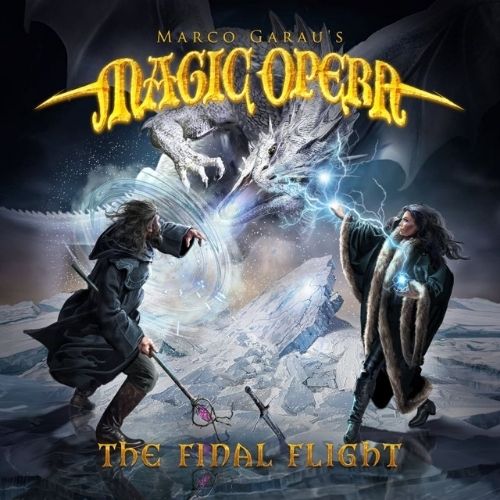
Visually, “The Final Flight” carries an identity closely connected to the project’s fantasy narrative. The artwork and overall conceptual approach draw from the epic fantasy aesthetics traditionally associated with symphonic power metal. This choice is not unfamiliar within the genre; however, its connection with the music prevents it from becoming merely decorative. The visual presentation moves along the same path as the album’s narrative structure and grand arrangements.
“The Final Flight” is not an album attempting to open a new direction within contemporary symphonic power metal. Instead, it is a final chapter that clearly defines what MAGIC OPERA represents while remaining faithful to its own melodic principles. Rather than constantly searching for surprises, the album asks listeners to focus on the melodic development of the compositions, the relationship between keyboards and guitars, and the dramatic structures built across longer song formats. While Marco Garau’s project reinterprets the classic Italian school of power metal within modern production conditions, its true strength lies not in innovation but in preserving a consistent musical vision until the very end. For this reason, “The Final Flight” should be regarded less as a turning point and more as the controlled and deliberate closing of a carefully established artistic world.
OZAN
https://magicopera.bandcamp.com/