
EP REVIEW
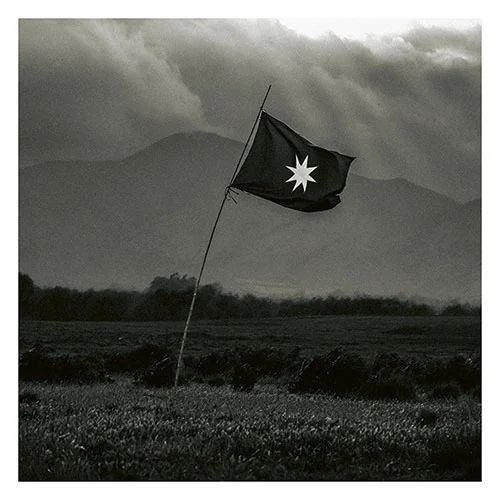
MAWIZA – IÑ MONGELETEW
Acoustic expressions of Mapuche musical identity.
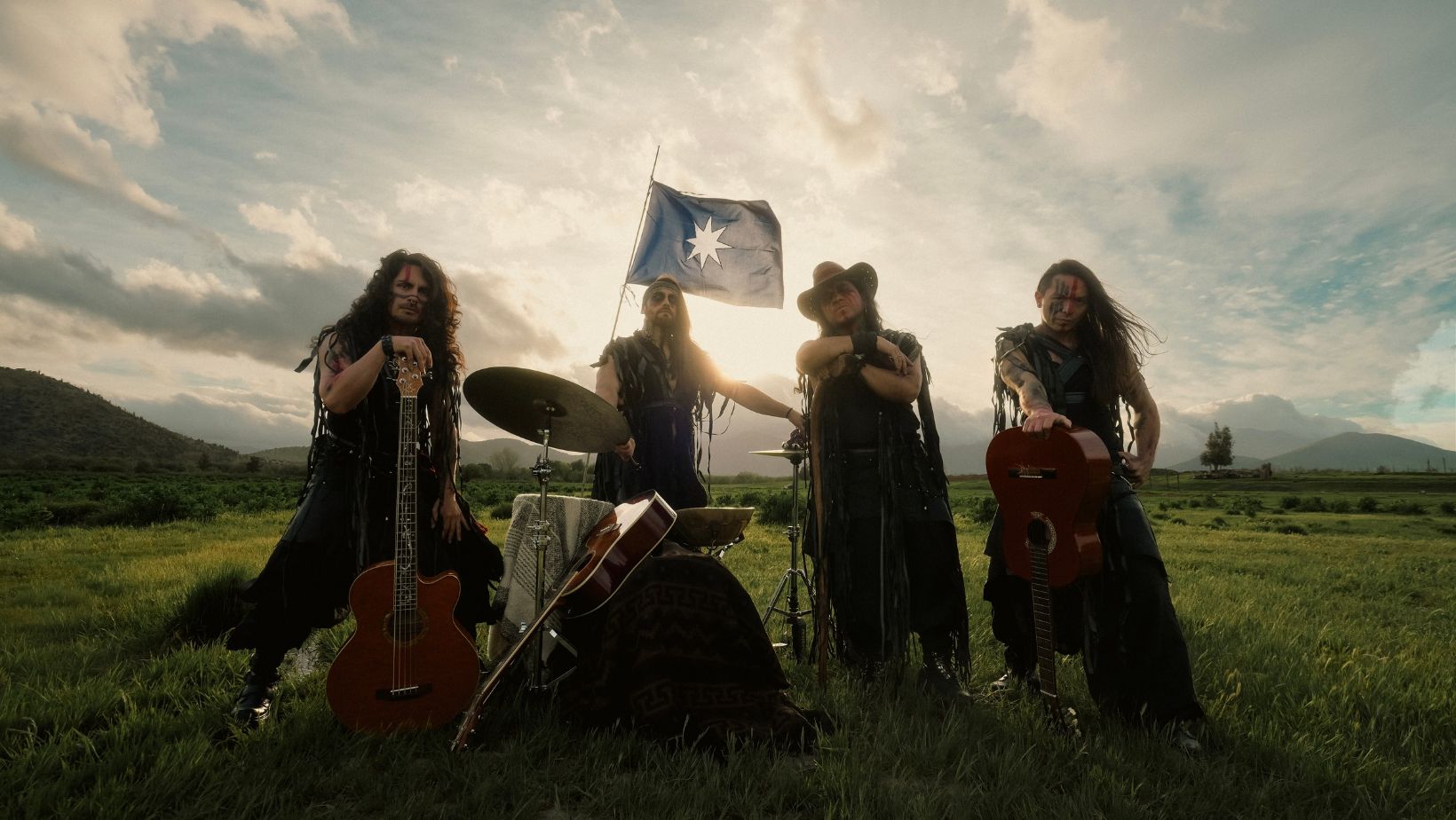
MAWIZA approach their Mapuche heritage not merely as an element of cultural identity, but as something that lies at the very heart of their artistic expression. With "IÑ MONGELETEW", they step away from their familiar groove metal territory and explore a different means of expression. The band's performance of 'Kaiowas' alongside SEPULTURA at the latter's farewell show in Santiago in October 2026 was one of the significant turning points behind this EP. Considering the space SEPULTURA created for the musical heritage of Indigenous cultures, particularly during the "Chaos A.D." era, the significance of this encounter for MAWIZA becomes even clearer. Yet "IÑ MONGELETEW" is more than simply a response to that experience; it stands as an independent work demonstrating that the band can express its Mapuche identity beyond the familiar weight of electric guitars and metal instrumentation.
The five-track EP brings together acoustic reinterpretations of 'Wingkawnoam', 'Mamüll Reke' and 'Ti Inan Paw-Pawkan' from "ÜL", alongside two previously unreleased compositions, 'Mür' and 'Wüzapiwken'. The absence of electric guitars and conventional drum arrangements does not simply reduce these songs to stripped-down versions of themselves. Instead, MAWIZA reconstruct the rhythmic and melodic elements of their compositions within a different instrumental framework. The increased prominence of vocals and percussion shifts the music's centre of gravity while bringing the band's cultural references into sharper focus. Traditional musical elements do not function as folkloric embellishments added to metal compositions after the fact; they form the songs' own expressive language.
Opening track 'Mür' is one of the clearest examples of this approach. Built primarily around vocals and percussion, the song expands its sonic palette through contributions from Mira Ceti (HEILUNG), Anne Olsen (DANEFAE) and Mapuche activist Fabi Liqen. The passages in which multiple voices converge create a form of collective expression rather than focusing on individual vocal performances. The use of traditional instruments such as the pifilka and kultrún is another essential part of this cohesion. In particular, the interplay between the vocal harmonies and instrumentation takes the song away from the familiar melodic conventions of Western folk music. The intention here is not to offer listeners a recognisable folkloric aesthetic, but to create space for Mapuche musical identity to be heard on its own terms.
One of the EP's most striking compositions, 'Wüzapiwken', demonstrates that an acoustic arrangement does not necessarily mean sacrificing intensity. The slightly dissonant guitars, driving percussion and high-pitched vocals rising through the choruses keep the tension alive throughout. The guitars' unconventional melodic positioning, combined with the movement generated by the vocals and rhythms, gives the song a character of its own. Its lyrical subject, which addresses the divide between urban life and ancestral land in the Mapuche experience, also resonates with this musical tension. Rather than romanticising the past, the use of traditional elements serves to express cultural and social issues that remain very much alive in the present.
The reinterpretations of songs from the previous album reveal other dimensions of the EP more clearly. With its considerably subdued arrangement, 'Mamüll Reke' evokes the feeling of a collective gathering around a campfire. In this version, where the vocals take centre stage, the song's emotional impact comes not from instrumental density but from the unadorned unity of the voices. 'Ti Inan Paw-Pawkan', meanwhile, retains its dark atmosphere despite its acoustic character. Rather than stripping away the song's essential spirit, the rearrangement demonstrates how that same spirit can be conveyed through different means. 'Wingkawnoam' undergoes a similar transformation, adopting an expressive character distinct from its previous metal arrangement. As a result, these three reinterpretations become more than alternative versions of familiar compositions; they illustrate how MAWIZA's musical identity can take shape under different conditions.
It is at this point that the significance of the band's connection with SEPULTURA becomes clearer. The approach represented by a song like 'Kaiowas' — drawing on Indigenous cultures and connecting music with social issues — intersects with a path MAWIZA continue to pursue through their own cultural foundations. The two bands, however, occupy different historical and cultural positions. MAWIZA's decision to create music in Mapuzungun makes this distinction apparent not only in the lyrics but throughout their musical expression. The fact that Mapuzungun is an endangered language also gives this choice a significance that extends beyond musical aesthetics. Singing in their own language, therefore, cannot be regarded simply as a means of distinguishing themselves within the international metal scene. Language, instrumentation and cultural identity form an inseparable whole.
That said, "IÑ MONGELETEW" offers an unfamiliar listening experience. For those who discovered MAWIZA through the groove metal approach of "ÜL", the absence of electric guitars, forceful drumming and metal's familiar rhythmic weight may initially create a sense of distance. On the previous album, the crushing riffs and groove-driven structures provided a point of connection between Mapuche musical elements and the listener. On this EP, that connection is deliberately pushed into the background. Consequently, while the cultural references become more immediate, finding one's way into the music is not necessarily as easy for listeners accustomed to metal. Furthermore, the simplicity that comes with the acoustic approach also limits, in certain passages, the instrumental variety found in the compositions on the previous album. For this reason, the EP does not always achieve the same impact as "ÜL" in terms of musical scope.
Nevertheless, viewing "IÑ MONGELETEW" as merely a lighter extension of its predecessor would mean overlooking the work's fundamental direction. Here, MAWIZA establish a musical language capable of preserving their identity without relying on the sonic weight that metal provides. The acoustic arrangements, traditional instruments and collective vocal performances bring the band's cultural roots into sharper focus while strengthening the connection between its music and social and ecological concerns. This approach is clearly not equally accessible to every listener, but measuring a work's artistic value by how closely it retains the genre characteristics of a band's previous album is no more appropriate. "IÑ MONGELETEW" is a meaningful statement that demonstrates how MAWIZA do not lose their identity when stepping outside metal; rather, that identity has a musical foundation far broader than metal itself.

Bandcamp: https://mawizakvlt.bandcamp.com
Instagram:https://www.instagram.com/mawizakvlt
Facebook: https://www.facebook.com/mawizakvlt
TikTok: https://www.tiktok.com/@mawizakvlt
Spotify: https://open.spotify.com/artist/4oJP24bXA2fbdVmNGNmCtt
YouTube: https://www.youtube.com/@mawizakvlt
Apple: https://music.apple.com/artist/mawiza/165343595