
ALBUM REVIEW
MOTHER OF GRAVES – The Light That Keeps Us
Melodic death/doom meets melancholic guitar melodies.
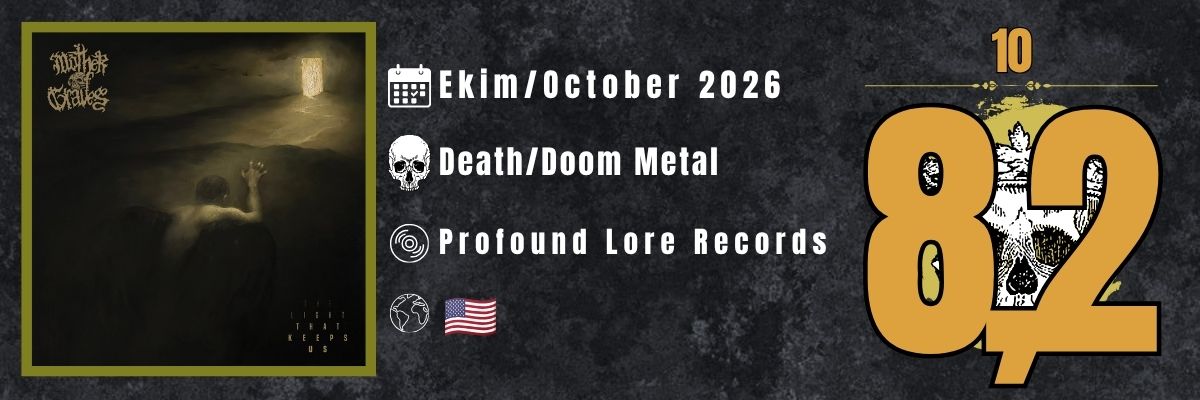
"The Light That Keeps Us" makes a strong impression by bringing together familiar melodic death/doom references with piano passages and guitar melodies that give MOTHER OF GRAVES’ songwriting a more distinct character. Hailing from Indiana, MOTHER OF GRAVES drew a wider audience with 2024’s "The Periapt of Absence". This time, the band pulls back slightly on the death metal aggression, allowing the measured tempos and emotional expression of doom metal more room to breathe. This shift deepens the melancholic character of the songs while revealing how the band recreates the intensity of its previous album through different musical means.
Opening track 'Wingless Soul' offers a good example of this approach, bringing together the album’s different modes of expression. Beginning with sparse piano notes, the song gains weight as the guitars enter. The transitions between slow, expansive melodic passages and more vigorous death metal sections prevent its eight-plus-minute runtime from becoming confined to a single tempo. Brandon Howe’s deep growls carry the song’s harsher side, while Dan Swanö’s guest clean vocals introduce a different timbre into its dark textures. Swanö’s contribution to the track, in addition to his role in the album’s mastering, makes it a notable entry in the band’s discography. However, his clean vocals do not always blend seamlessly with Howe’s approach. The contrast between the two voices is effective, but their combination can occasionally feel somewhat out of place.
The defining feature of MOTHER OF GRAVES’ songwriting is the way melody is woven into the structure of the songs rather than used as a decorative layer over heavy guitars. Chris Morrison and Ben Sandman move between forceful riffs and mournful melodic lines, using complementary harmonies to shape the emotional character of the music. This approach is particularly evident on 'The Light That Keeps Us' and 'The Silent Weight of the Stars'. The former balances its sense of heaviness with guitar melodies that drive the tempo forward, while Don Curtis’s drumming becomes more than mere accompaniment, serving as one of the compositions’ driving forces. On the latter, the guitar harmonies extend the music’s underlying gloom into a broader melodic space. Because the melancholy here is not built solely on slow tempos or the dark character of the vocals, the songs develop a sense of narrative progression of their own.
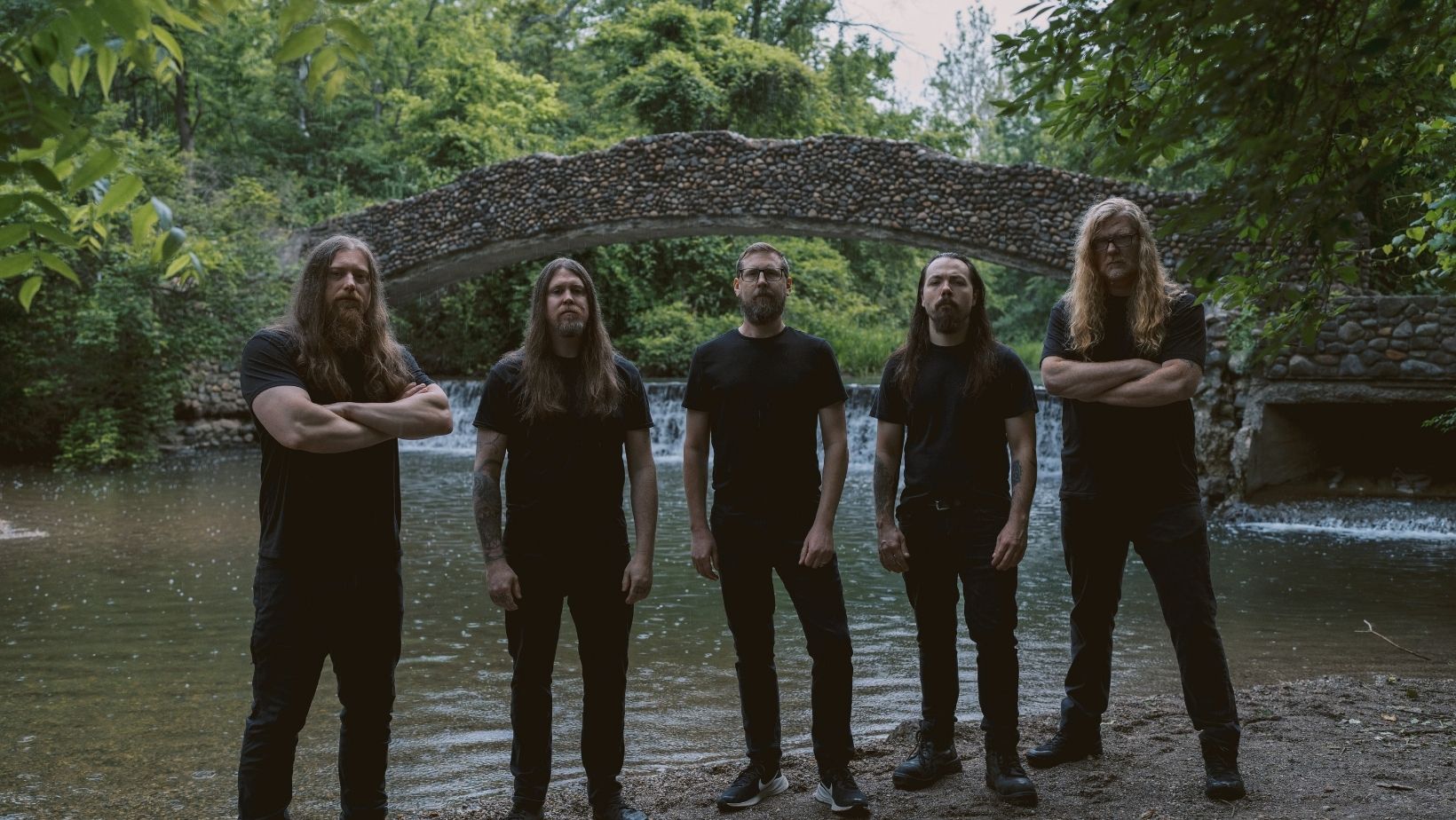
Photo by: Jessica Branstetter
The use of piano is similarly purposeful. 'Through the Pale Shade' moves from a calm opening into a more unsettling atmosphere, placing guitar harmonies at the heart of this transition. Its melodic structure creates room for a more introspective form of expression without entirely relegating death metal’s aggression to the background. 'Eventide Angel' continues this atmospheric approach through its striking melodic introductions and dark spoken-word passages, with a surge of aggression toward the end providing the track with the dynamism it needs. However, the whispered and spoken vocal passages heard throughout the album are not always equally successful. In some sections, they interrupt the listener’s connection with the music rather than reinforcing the atmosphere it establishes. When these passages run long or become particularly prominent, they can further loosen the momentum of compositions that are already moving at a deliberate pace.
MOTHER OF GRAVES’ musical reference points include the melodic darkness of early KATATONIA, the death/doom tradition of PARADISE LOST, and the heavier, gothic expression of MY DYING BRIDE. SWALLOW THE SUN’s melancholic approach also helps contextualize the atmosphere of certain tracks. These similarities, however, are not so dominant that the band’s music can be reduced to a reproduction of the genre’s successful predecessors. The variety in Morrison and Sandman’s riff writing, the way heavy sections connect with melodic passages, and the integration of piano arrangements into the songs turn these influences into a functional songwriting language. Even so, some guitar lines reminiscent of early KATATONIA can overshadow the band’s own character. MOTHER OF GRAVES’ distinctive voice emerges most clearly not in the passages where these references are most apparent, but in those where the band absorbs them into a different compositional framework.
The second half of the album presents a more convincing picture in this respect. 'A Moonlit Tryst' opens with acoustic guitars and natural sounds that evoke the nighttime, drawing the listener into a more tranquil space before heavy guitars abruptly shatter that calm. The song’s impact comes not only from the contrast created by this transition, but also from the way its acoustic textures and dense riffs serve the same emotional purpose. 'The Beggar’s Allegory' develops a similar opening approach in a different direction. The gothic tone of the piano lays the groundwork for faster, more forceful death/doom passages, while the guitar melody preserves the song’s bleak character. Together, these tracks demonstrate MOTHER OF GRAVES’ ability to establish meaningful relationships between contrasting textures rather than maintaining a single level of intensity throughout their music.
Closing track 'The Endless Climb' is one of the album’s most successful compositions. Bringing together distinctive melodic guitar lines, classical piano passages, and string arrangements, it expands the emotional scope of the band’s music. The melodic richness makes the song’s finale more affecting without diminishing the weight of the guitars. The use of strings, which recalls MY DYING BRIDE, does more than reference the genre’s traditions; it adds another dimension of expression to the track’s measured progression. The occasional stagnation felt in earlier songs gives way here to a more natural flow between sections. As a result, the album leaves its strongest impression in its closing moments.
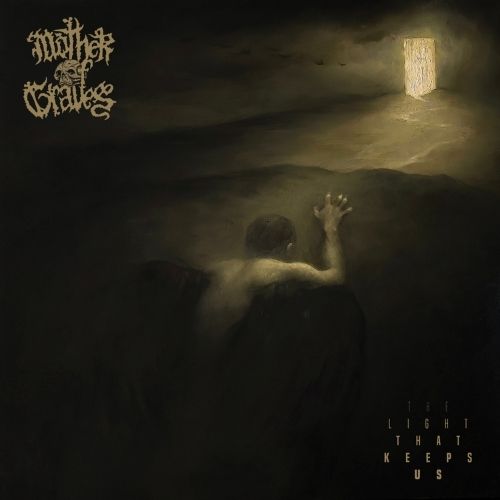
Ben Sandman’s production approach also plays an important role in maintaining this musical balance. The layered guitar arrangements sustain the music’s weight without overwhelming the piano and other melodic elements, while the separation between instruments makes the details of the compositions easier to follow. Larisa Brechun’s cover painting also provides a fitting visual counterpart to the album’s dark, melancholic character. Nevertheless, "The Light That Keeps Us" does not maintain the same compositional intensity across every track. Some passages in the first half make less of an impact, while the whispered spoken-word sections occasionally take precedence over the musical flow, limiting the album’s overall effect. The preference for slower tempos may also prove a noticeable departure for listeners who value the more immediate, memorable moments found on "The Periapt of Absence".
"The Light That Keeps Us" develops MOTHER OF GRAVES’ melodic expression and atmospheric arrangements while remaining faithful to the death/doom tradition. Although it does not consistently surpass the level established by "The Periapt of Absence", tracks such as 'A Moonlit Tryst', 'The Beggar’s Allegory', and 'The Endless Climb' demonstrate the band’s ability to combine heavy riffs with emotionally resonant melodies. The progress here lies less in radically redefining the genre than in working familiar elements into a more personal songwriting approach. MOTHER OF GRAVES treats the melancholy of classic death/doom not merely as a longing for the past, but as a language that can be rearticulated through different musical textures. The album’s most enduring qualities emerge when this approach works at its best.

https://www.instagram.com/motherofgraves
https://www.facebook.com/motherofgravesband
https://x.com/motherofgraves
https://motherofgraves.bandcamp.com/music
https://www.profoundlorerecords.com
https://www.instagram.com/profoundlorerecords
https://www.facebook.com/profoundlorerecords
https://x.com/profoundlore
https://www.profoundlorerecords.bandcamp.com