EP REVIEW
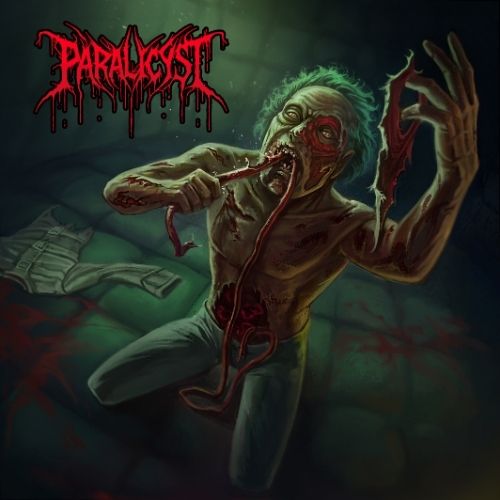
PARALICYST - Destruction of Sanity
Traditional death metal searching for identity.
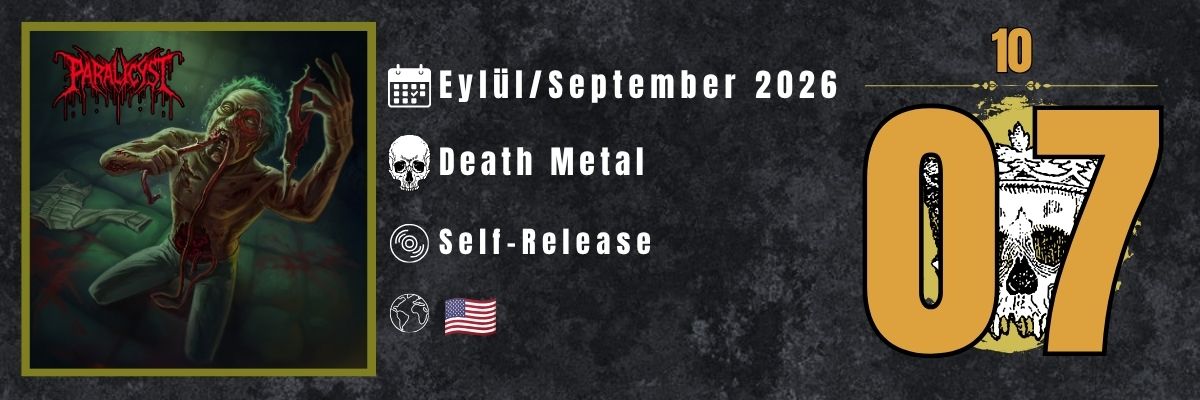
PARALICYST’s “Destruction of Sanity” is a four-track debut that seeks to reinterpret the riff-driven songwriting of early American death metal through a variety of rhythmic approaches. The lumbering riffs of OBITUARY, the cutting aggression of CANNIBAL CORPSE, and the thrash-inflected momentum of MALEVOLENT CREATION offer clear reference points for understanding the band’s musical influences. These connections are particularly evident in the rhythmic character of the guitars and the contrasts between the tempos chosen for each track. Rather than maintaining the same level of intensity throughout, the songs each carve out their own space by highlighting different facets of the genre.
The opening track, ‘Conjure the Flames’, foregrounds the faster, more aggressive side of traditional death metal while revealing the band’s desire to bring different approaches together. Riffs reminiscent of early CANNIBAL CORPSE are combined with slam influences that lean into the lower frequencies. However, the way the track brings together different death metal elements does not always feel equally cohesive. Shifts in style between sections can create the impression of disparate ideas following one another rather than a clear compositional direction guiding the song. This raises one of the central questions surrounding the EP as a whole: can PARALICYST transform the genre’s established traditions into a distinct songwriting identity of its own?
‘I Just Want You to Die’ offers a more convincing answer. As the tempo drops noticeably, the heavy riffs recalling OBITUARY build tension through anticipation rather than speed. The sombre character of the melodic lines becomes more pronounced as the rhythmic activity subsides. Brief bursts of thrash influence keep the track moving without diminishing the impact of its heavier passages. Here, slowness is more than a source of contrast; it becomes a compositional tool for conveying the weight of the riffs and the tension within the melodies. One of the EP’s more controlled moments, the track demonstrates that the band achieves stronger results when exploring the conventions of classic death metal through contrasting tempos.
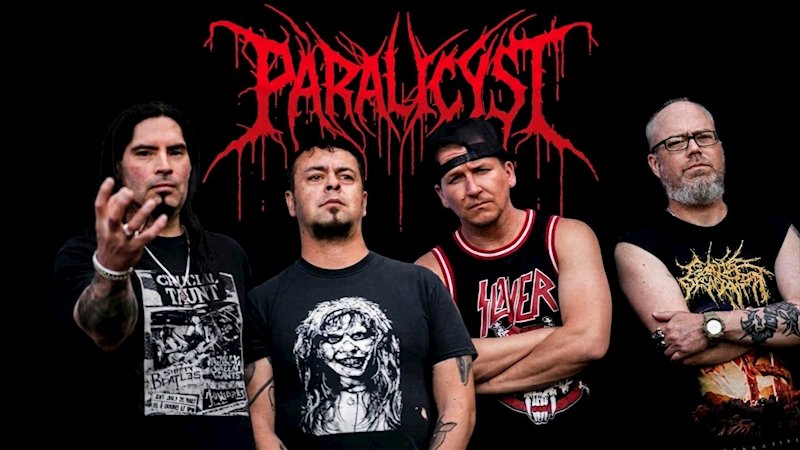
The thrash influence comes back to the fore on ‘Paralicyst’. The riffs take a more mobile approach, moving the track away from the heavier character of its predecessor while keeping death metal firmly at the centre. This shift demonstrates the band’s reluctance to remain confined to a single subgenre, while also testing how successfully different influences can be integrated into the same composition. Although the occasional stylistic shifts lend the EP momentum, they also prevent every track from developing an equally distinct identity. Even so, this is not simply a matter of placing influences side by side; the band is attempting to connect them through rhythm and tempo.
‘Blood in My Eyes’ is a fitting closer, driven by a faster, more frantic approach. Its traditional death metal framework, reinforced by blast beats, keeps the track moving forward without interruption. The different rhythmic tendencies heard earlier on the EP are channelled into a more direct form of energy here. The urgency of the finale turns the brevity of this four-track release to its advantage: rather than opening up a new direction, the song brings the EP to a close by emphasising the band’s most firmly established death metal instincts.
The production, however, is less consistent. Some assessments point to a noticeable difference in sound between the first two tracks in particular. While it is impossible to say definitively whether this stems from separate recording sessions, the perceived discrepancy weakens the sense of continuity across the EP. Given the existing differences in tempo and style between the songs, these changes in sonic character can also make it harder to perceive the musical variety as part of a more deliberate whole. Mikey Murderz’s handling of the recording, mixing and mastering gives the band considerable control over shaping its own sound, but the results do not sound equally consistent throughout.
Still, assessing “Destruction of Sanity” solely in terms of its devotion to 1990s American death metal would be reductive. What distinguishes the EP is its attempt to explore different facets of that tradition within a compact release. OBITUARY’s approach to heavy riffing, MALEVOLENT CREATION’s thrash orientation and CANNIBAL CORPSE’s aggression form the core of PARALICYST’s musical vocabulary. Slam elements and darker touches expand that vocabulary, although it is difficult to argue that every additional ingredient contributes equally to the band’s identity. In some passages, transitions between influences create a natural sense of progression; in others, they leave the song’s direction less clearly defined.
The EP’s most convincing quality, then, is not that it establishes an entirely original death metal language, but that it demonstrates the songwriting potential to approach traditional material through different rhythmic and melodic ideas. These four tracks clearly reveal the musical territory from which the band draws its inspiration. The next step is to bring those influences together within a more coherent sonic identity. “Destruction of Sanity” offers satisfying moments for listeners drawn to the directness of old-school death metal. PARALICYST’s ability to establish a more distinctive position in the underground scene will depend less on how effectively it draws from familiar reference points than on how successfully it can turn them into a songwriting language of its own.
