ALBUM REVIEW
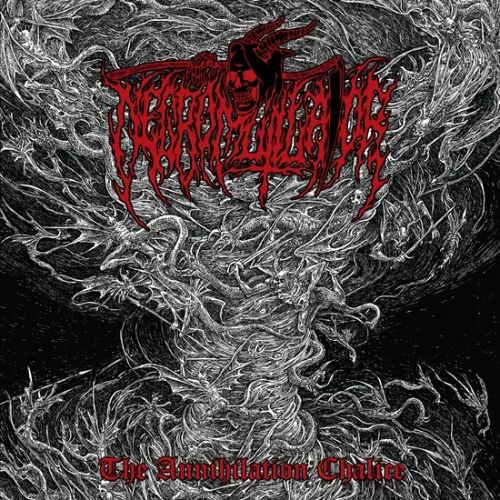
NECROMUTILATOR – The Annihilation Chalice
Raw, riff-driven old-school extreme metal.
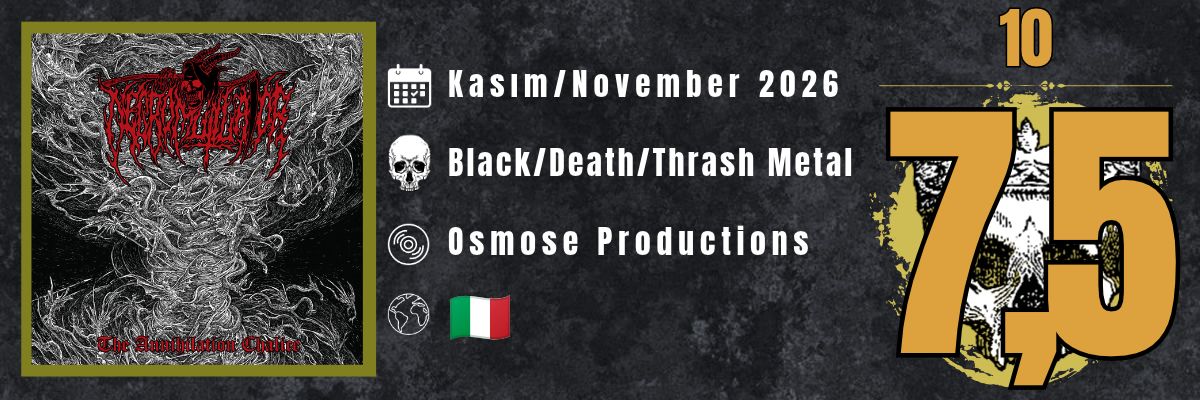
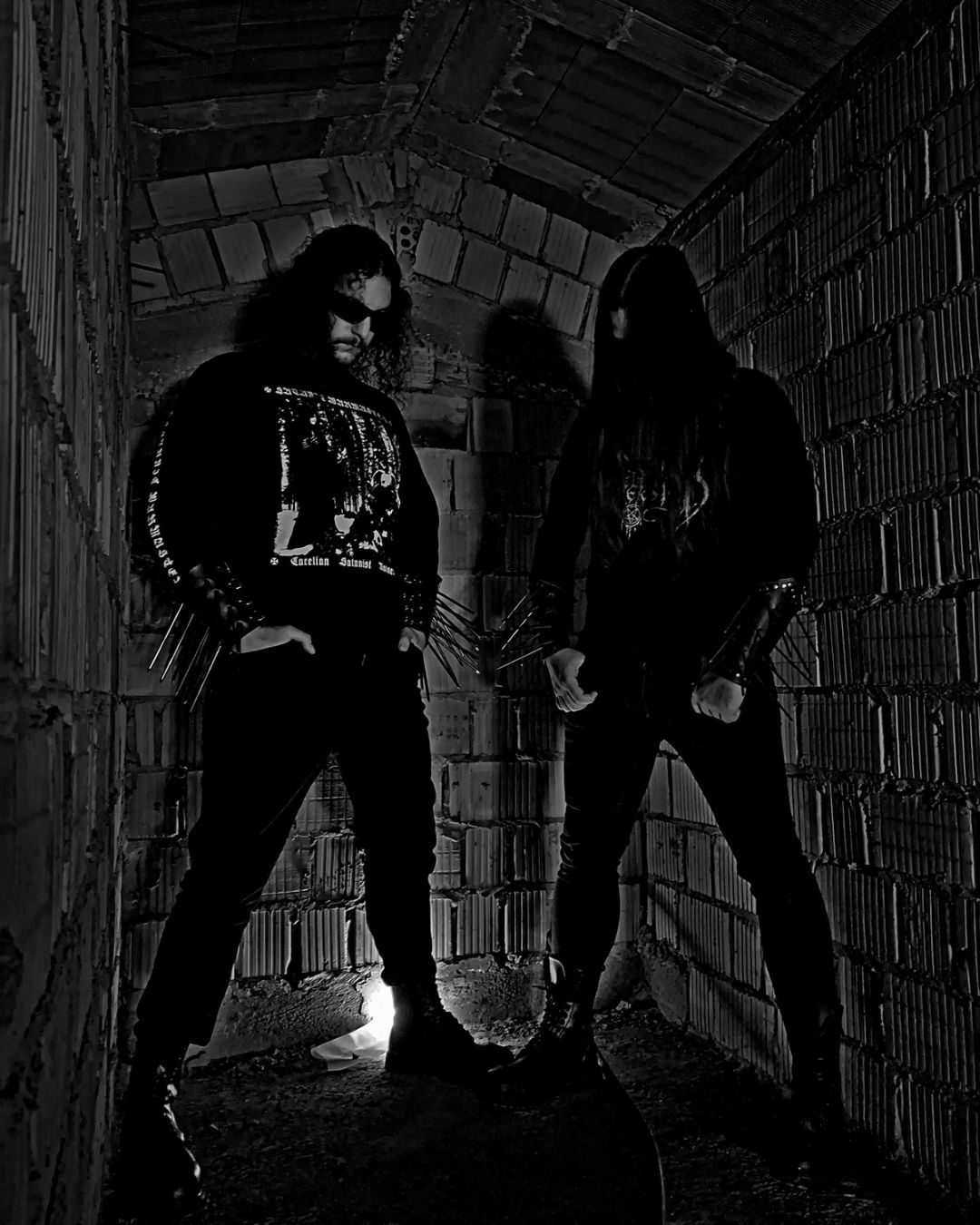
NECROMUTILATOR's fourth album, "The Annihilation Chalice", continues the old-school extreme metal tradition at the intersection of black, death and thrash metal with an uncompromising level of aggression. Spanning approximately 36 minutes across nine tracks, the Italian duo's latest offering from Mantua wears its allegiance to the underground traditions of the genre openly. Following the spoken-word samples that open the record, the guitars kick in with tremolo-picked riffs and blast beats, immediately driving the pace upwards. Still, reducing NECROMUTILATOR's approach to speed and aggression alone would be missing the point. The band's old-school understanding of riff construction is one of the defining elements of its sound.
The album's riff structures shift between death and thrash metal, merging with the darker, rawer aesthetic of black metal. 'Siege Diabolicum' is a particularly effective example of how this combination works. The opening guitar motif, with its shifting note patterns, gives the track a distinctly classic death/thrash character before a more crushing and sharply defined rhythmic attack takes over. Bringing to mind the musical approaches of bands such as TERRORIZER and ANGELCORPSE, this material demonstrates that NECROMUTILATOR aren't simply combining different branches of extreme metal in isolation. One of the album's key strengths is that its riffs never become mere accompaniments to the blast beats. The guitar-driven songwriting maintains a sense of structure and direction even at the highest tempos.
The drumming provides another essential foundation for this aggressive sound. Although blast beats and rapid-fire patterns dominate much of the record, the inclusion of mid-paced and slower, heavier passages prevents the album from becoming trapped on a single rhythmic plane. The interplay between the tremolo-heavy guitar passages and the relentless drumming brings its black metal side to the forefront, while the death/thrash-oriented riffs give the music a more direct, physical weight. Occasional melodic touches and chaotic guitar solos also find their place within this framework. They never become prominent enough to alter the direction of the compositions, but they add welcome movement to the overall musical texture.
The vocal performance, however, is the album's most debatable aspect. Considering that P. also handles guitar duties, the relationship between the vocals and instrumentation becomes particularly important. Although the black metal-style screams fit the genre's aesthetic, they lack the expressive power and tonal variation needed to make a convincing impression. Especially during passages where the guitars and drums carry such a dense sonic presence, the vocals tend to recede into the background, diminishing some of the impact the songs might otherwise have achieved. The problem isn't that the vocals are raw or harsh; it's that they fail to support that aggression with a broader range of expression. As a result, some passages with considerable musical potential fall short of their intended impact due to the limited vocal delivery.
The production also embraces a raw, heavy sound that complements the album's old-school orientation. The instruments have a powerful presence, making it easier to follow the rhythmic movements of the guitars in particular. However, the similarly dense guitar tones tend to blend into one another across the record, reducing the distinctiveness of certain passages. This doesn't undermine the album's overall cohesion, but it leaves room for greater differentiation that could have given individual songs a more recognisable identity. The lyrical themes of Satanism, death and evil also fit naturally within the record's traditional extreme metal aesthetic, although they never develop into a conceptual framework that overshadows the songwriting.
The closing cover of SARCÓFAGO's 'Deathrash' occupies a special place in understanding NECROMUTILATOR's musical influences. Remaining remarkably faithful to the original riff structure, the rendition clearly demonstrates the band's connection to the old-school South American extreme metal tradition. Moreover, its seamless fit with the album's original compositions prevents the cover from feeling like an arbitrary exercise in nostalgia. By bringing the band's riff-driven approach and musical heritage into sharp focus, the track also reinforces how the vocal performance factors into the album's overall assessment.
"The Annihilation Chalice" chooses to develop the old-school fusion of black, death and thrash metal within its established boundaries rather than pursue a new direction. NECROMUTILATOR's command of guitar-driven songwriting and ability to bring different extreme metal traditions together through a shared rhythmic language distinguish the album from more conventional attempts at blending these styles. On the other hand, the limited expressiveness of the vocals and the similarities between certain passages prevent it from leaving a more lasting impression. Nevertheless, this is an album worth checking out for listeners who appreciate riff-focused songwriting, raw production and an uncompromising old-school aesthetic.
