ALBUM REVIEW
NINTH REALM - Damnation's Veil
Dark Riff Assault
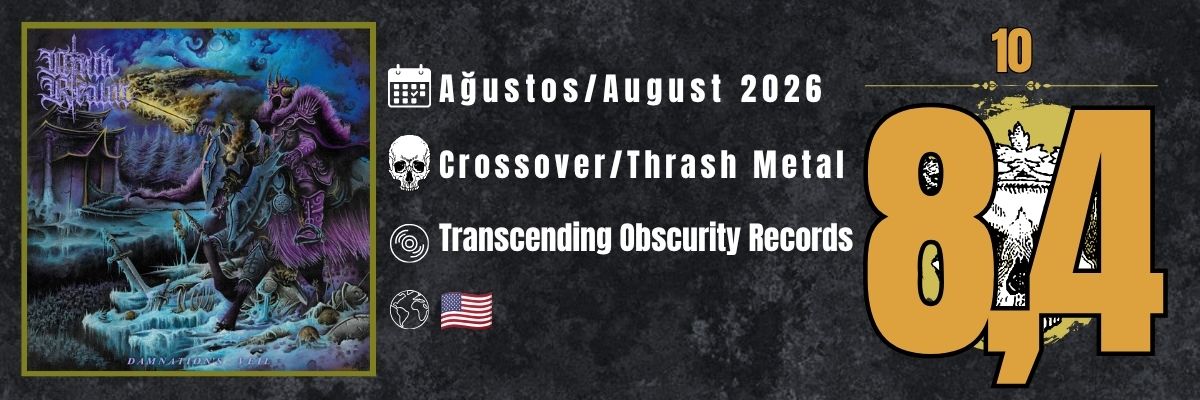
Maryland-based NINTH REALM draw attention with a sound rooted in death-thrash while incorporating elements of black metal, metallic hardcore, and traditional heavy metal. Their second studio album, "Damnation's Veil", further emphasizes the band’s approach of combining different extreme metal traditions within a single riff-driven framework. By balancing speed, heaviness, and a dark atmosphere, the album expands the band’s musical direction into a broader context within the contemporary death-thrash scene.
The key to keeping the death-thrash formula effective in the modern era lies not in simply repeating elements borrowed from the genre’s past, but in the ability to bring together different extreme metal influences in a way that functions within the same compositional structure. With their second full-length, "Damnation's Veil", NINTH REALM embrace this balance as a central part of their approach. The album combines the sharp rhythmic aggression of thrash metal with the heavier, darker riffing language of death metal, while incorporating black metal melodies, metallic hardcore influences, and touches of traditional heavy metal into its framework. However, the presence of these elements is not what ultimately defines the album’s strength; the important factor is how the band organizes these different aspects within a guitar-driven songwriting approach.
The atmospheric introduction that opens the album reveals that NINTH REALM are not interested in creating a death-thrash record based solely on direct speed and aggression. Drone-like synth textures, distant piano accents, and the dissonant guitar harmonies that follow create a different kind of opening space compared to more traditional extreme metal introductions. Yet instead of maintaining this atmosphere for an extended period, the band quickly returns to its core identity through tremolo riffs, palm-muted strikes, and crushing power chord structures. This transition also summarizes the album’s overall compositional philosophy: atmospheric ideas are primarily used in service of the riff attack.
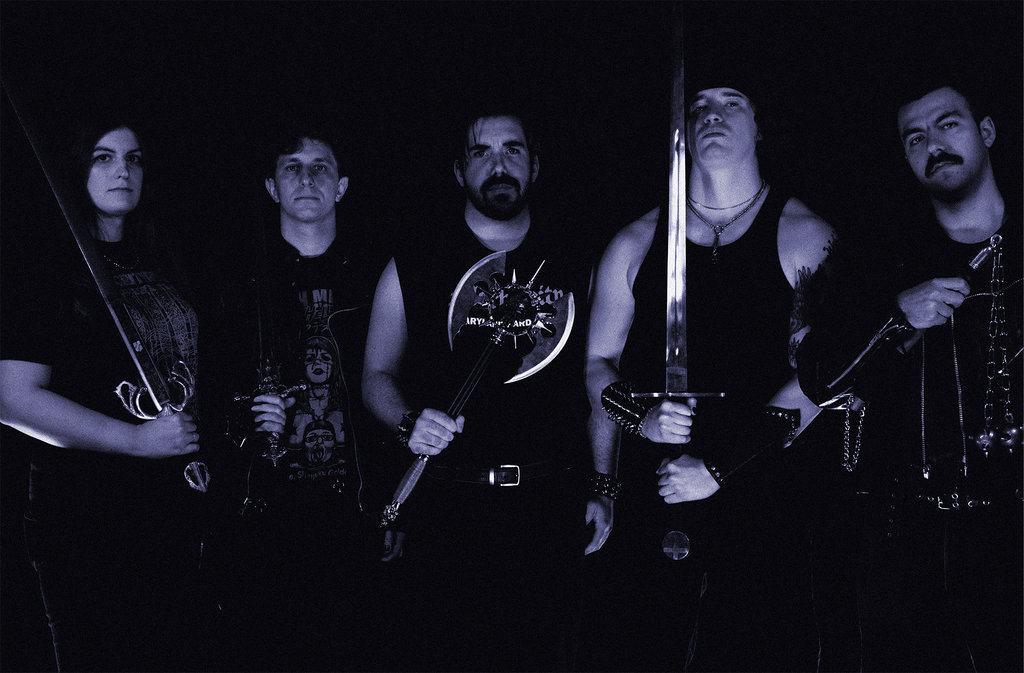
The guitar work stands at the center of "Damnation's Veil". Liam McMahon’s lead guitar approach and Charles House’s rhythm guitar work constantly move between the sharpness of thrash metal and the weight of death metal throughout the album. The tremolo-picked sections recall the aggressive melodic structures of black metal, while the palm-muted grooves that follow immediately shift the material into a more physical, stage-oriented territory. These transitions become especially apparent on tracks such as 'Rituals in Thar’amath', where fast, punk-influenced rhythms are interrupted by heavier breakdown sections, strengthening the songs’ dynamic structures.
One of the most notable aspects of NINTH REALM’s riff writing is the constant contrast between speed and heaviness. The band does not rely solely on high-tempo sections; at certain moments, they allow the guitars to breathe through extended power chord passages and larger-scale harmonies. This approach combines the direct aggression of early death-thrash traditions with a modern sense of groove. Carrying traces of Revocation’s technical approach, POWER TRIP’s rhythmic precision, and the punk energy found in bands like HELLRIPPER, this framework becomes one of the defining elements of NINTH REALM’s position within the contemporary scene.
The rhythm section is another important factor supporting the album’s physical impact. Joey Burke’s drumming allows the songs to not only gain speed but also generate weight as he moves between blast beats and rapid thrash rhythms. The d-beat-influenced sections in particular bring the band’s hardcore-rooted energy into the foundation of their death metal approach. Amelia Morris’s bass work, meanwhile, serves less as a prominently featured element within the mix and more as a force reinforcing the wall of guitars. This choice aligns with the album’s overall production philosophy; the instruments are positioned to create a collective sense of impact rather than individual displays of musicianship.
Ben Hageage’s vocals complete this approach. His deep tones rooted in brutal death metal are contrasted with sharper sections carrying black metal influences. This variety supports the album’s movement between different styles, yet the vocal performance never attempts to overshadow the compositions. The vocal delivery functions as an extension of the atmosphere created by the guitars and the rhythmic structures.
The album’s experimental aspects appear primarily through its use of atmosphere. Black metal harmonies, traditional heavy metal melodies, and darker introductory sections demonstrate that NINTH REALM are not confined solely to the boundaries of death-thrash. However, the band does not use these influences as radical tools intended to transform the genre’s structure. Instead, they function as supporting elements that expand the existing riffing approach. For this reason, while "Damnation's Veil" brings together different traditions of extreme metal, its identity is ultimately built around guitar writing and rhythmic organization.
'Beyond the Void' is one of the tracks that presents this approach in its most balanced form. The song combines groove-heavy riffs, blackened melodic passages, and more technical solo sections within the same structure. The guitar harmonies here reinforce the album’s dark atmosphere without allowing the track to lose its fundamental rhythmic character. Similarly, the closing track 'Twilight’s Blade' brings together the album’s different sides through more melodic black metal influences and slower sections.
From a production perspective, "Damnation's Veil" follows the clean yet dense approach associated with modern extreme metal. The instrumental recordings captured by Matthew Michel at Viva Studios and the vocal recordings handled by Sebastian Philips preserve the band’s aggressive character while keeping the details of the riffs audible. The mix particularly emphasizes the physical impact of the palm-muted guitars. This helps the album combine its old-school influences with contemporary production standards.
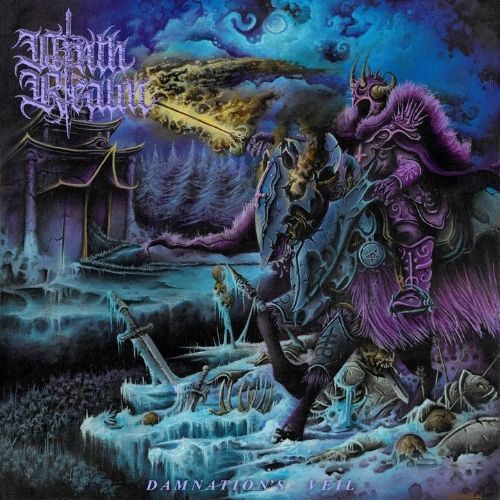
The artwork created by Jerry "Wyrmwalk" Hionis also establishes a visual identity that aligns with the band’s musical direction. Its dark fantasy atmosphere supports the band’s conceptual approach built around the Tythorin universe. The visual side does not simply remain a decoration repeating genre conventions; instead, it works as a complementary element that strengthens the album’s narrative framework.
"Damnation's Veil" is not a record that creates a turning point by redefining the death-thrash tradition; rather, it is a disciplined work demonstrating that the genre can still produce powerful results. NINTH REALM’s success comes not from simply listing different extreme metal influences, but from integrating those influences within a clear compositional logic. The album demands that listeners approach it not only in search of speed and aggression, but also by paying attention to how the riffs connect, where the atmosphere enters the structure, and how the band rearranges the classic codes of the genre. Within today’s death-thrash landscape, "Damnation's Veil" stands as a record that preserves the legacy of the past while adapting to the rhythmic and aesthetic expectations of contemporary extreme metal, building its identity on strong riff craftsmanship.
OZAN