ALBUM REVIEW
Novareign – Shifting The Axis Of The World
Technical, Epic, Balanced
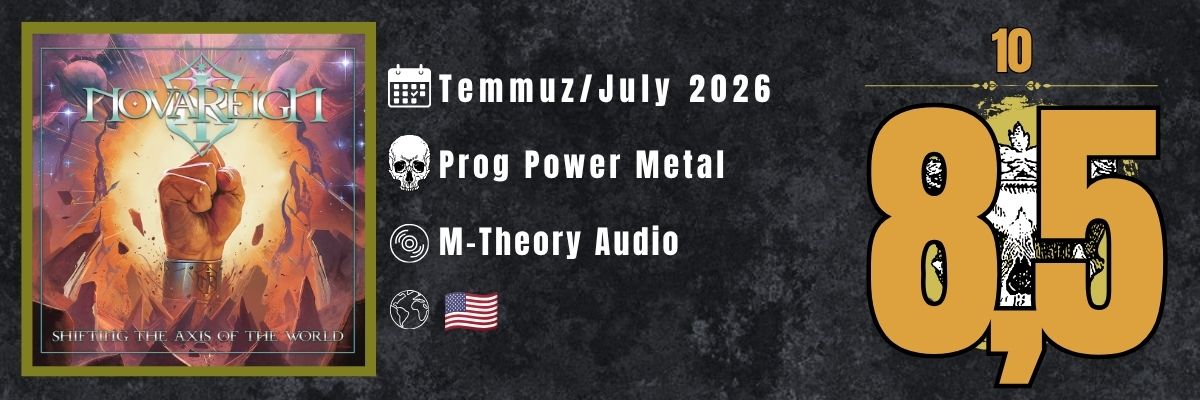
Los Angeles-based Novareign are one of the bands attempting to carve out a distinct place within the modern metal landscape by combining the melodic grandeur of power metal with the technical approach of progressive metal. Following the attention they gained with their 2018 album Legends, the band returns after a long period of silence with their second full-length, Shifting The Axis Of The World, presenting a more balanced, expansive, and compositionally mature identity. Rather than using virtuosity solely as a display of skill, Novareign aims to place technical ability at the service of songwriting, reshaping the legacy of classic heavy metal through progressive arrangements.
Shifting The Axis Of The World is built around one of the genre’s fundamental paradoxes: the attempt to balance the structural freedom of progressive metal with the melodic grandeur of power metal within the same compositional framework. Returning after an eight-year hiatus, the Los Angeles-based band does not radically alter its formula; instead, they refine the technical spectacle established on Legends through more controlled arrangements, stronger individual song identities, and a more balanced distribution of instrumental elements. The album’s main strength does not come solely from its high-speed performances, but from its ability to keep that virtuosity contained within a clear compositional logic.
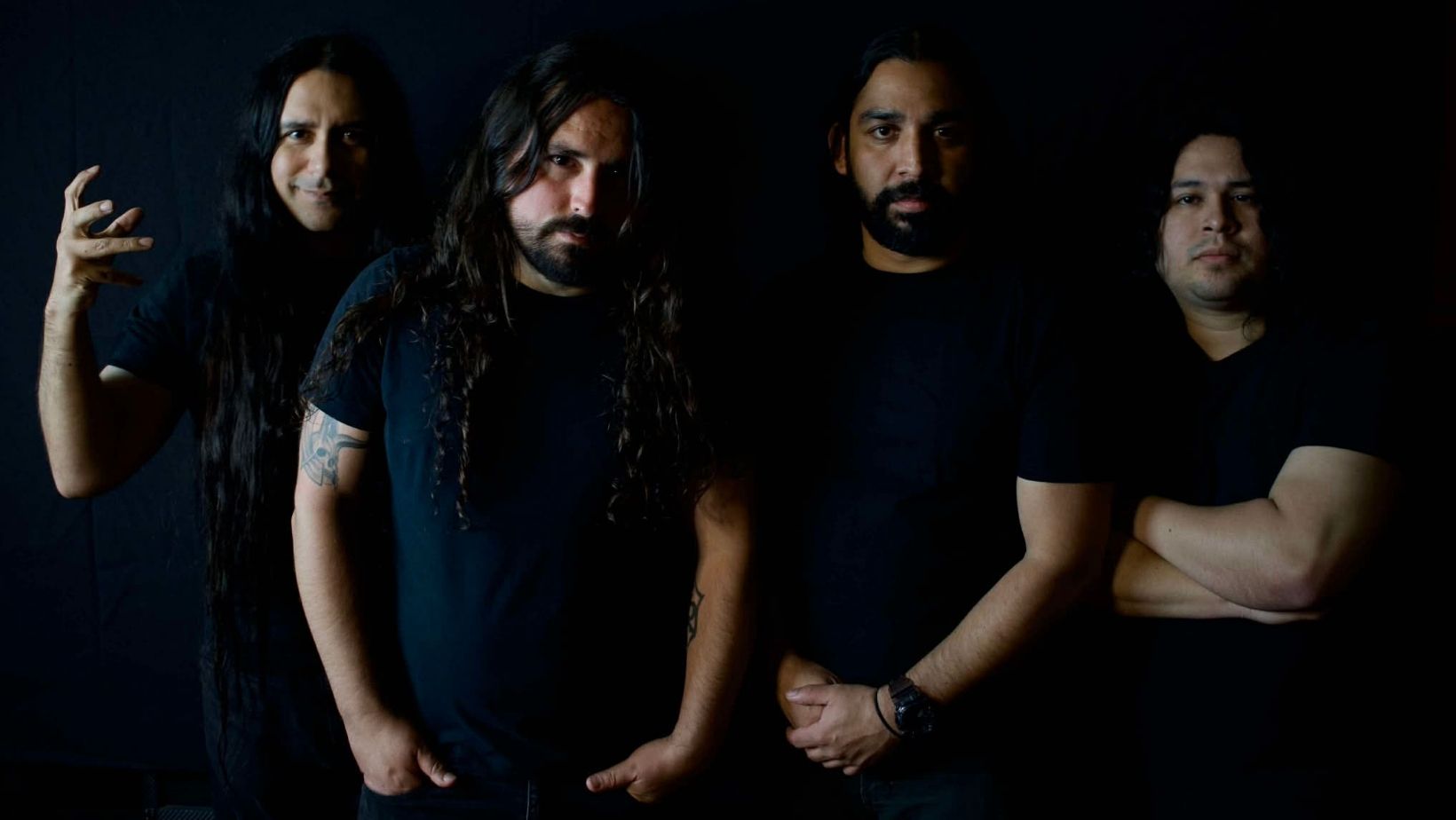
At first glance, the album may appear rooted in the traditional power/prog metal formula, but Novareign’s approach is based on merging two different schools of thought into a single framework. On one side are the melodic heavy metal traditions of bands such as Iron Maiden and Van Halen; on the other are technically demanding progressive metal acts like Angra, Symphony X, and early Dream Theater. Rather than directly imitating these influences, however, the band connects them within extended compositions. The album’s seven-track structure and approximately 53-minute runtime provide Novareign with ample space to develop riffs, solos, and dynamic transitions.
The guitar work remains the most prominent element at the center of the album. The dual-guitar approach between Balmore Lemus and new guitarist David Walston is not built solely around speed and technical showmanship; it progresses through melodic themes, harmonic layers, and rhythmic variations. The arpeggio passages, rapid alternate-picking sections, and high-velocity lead work featured on tracks such as “Sun & Moon” and “Mors Indecepta” highlight the band’s formidable instrumental foundation. However, this is also where Shifting The Axis Of The World separates itself from its predecessor: this time, Novareign does not place guitar proficiency ahead of composition, but integrates it more consciously into the structure of the songs.
This approach becomes especially apparent in the album’s longer compositions. Opening track “Ode To The Masses” begins with the energy of traditional power metal before gradually opening into progressive metal arrangements as it unfolds. The track starts with rapid guitar riffs, Ulises Hernandez’s precise drumming, and David Marquez’s soaring vocals, before moving into sections where bass and drums take a more prominent role, breaking away from the conventional power metal framework. These transitions demonstrate that Novareign are not simply a band writing fast songs; they are also interested in creating shifts in atmosphere and structure within extended compositions.
The rhythm section is one of the key components of this development. Drummer Ulises Hernandez uses his technical ability not through excessive displays of flashy fills, but through precise transitions that support the movement of the songs. The fast galloping rhythms and sudden tempo changes maintain the album’s energy while preventing the compositions from losing focus. Bassist Moises Galvez also takes on a much more visible role compared to the previous release. On tracks such as “Blood Of The Game,” “Sun & Moon,” and “Ode To The Masses,” the bass is no longer merely a supporting instrument beneath the guitars; it creates groove, fills melodic gaps, and adds greater depth to the arrangements.
David Marquez’s vocals are another area where the album shows clear development. The occasional struggles with his upper register on the previous record have been replaced by a far more controlled performance here. Marquez’s approach sits somewhere between Ronnie Romero’s powerful heavy metal vocal tradition and Bruce Dickinson’s theatrical delivery. On tracks like “Ode To The Masses” and “Sun & Moon,” the memorability of the choruses comes not simply from his ability to reach high notes, but from the way the vocal melodies become central themes within the compositions. At the same time, Novareign never fully surrender to the overly dramatic vocal style often found in the genre; Marquez’s performance functions less as a technical showcase and more as a tool that strengthens the melodic structure of the songs.
The progressive side of the album is not limited to extended song lengths or technical passages. Novareign attempts to alter the direction of their compositions by introducing subtle structural breaks into the classic power metal formula. “Sun & Moon” serves as the most complete example of this approach. Across its nearly ten-minute runtime, shared instrumental spotlights between guitar, bass, and drums, shifting melodic sections, and changes in atmosphere prevent the track from feeling unnecessarily stretched. However, this is also where one of the album’s limitations becomes apparent. Although Novareign successfully brings together a wide range of ideas, some of these elements function more as additional layers within the existing framework rather than truly transforming the overall identity of the songs.
The same situation applies to the album’s experimental touches. The harsher vocal passages and more aggressive guitar approaches featured on “Mors Indecepta” and “Thunder & Majesty” allow the band to briefly step outside their traditional power/prog boundaries. However, these moments remain more like contrasting details within the established formula rather than elements that completely reshape the band’s musical direction. The advantage of this choice is that the album maintains its overall cohesion; the drawback is that it limits Novareign’s opportunity to create a more distinctive position within the contemporary progressive metal scene.
On the production side, Shifting The Axis Of The World follows the clean and powerful sonic approach associated with modern power metal. The guitars are clear, the drums are aggressive yet controlled, and the vocals occupy a central position within the mix. The album never turns into an overly sterile technical showcase; allowing each instrument to remain audible without overpowering the others is a significant achievement, especially for music of this density. However, the production’s cautious approach does not take risks on the same level as the band’s musical ambition. The sound works flawlessly, but it does not become a defining character of its own.
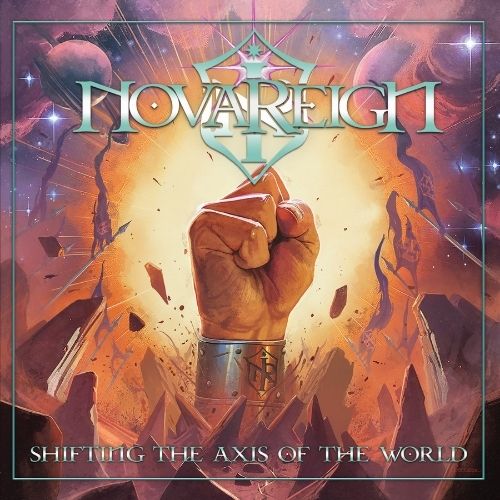
The cover artwork and overall aesthetic approach also lean into classic heavy metal symbolism in a way that aligns with the album’s musical language. The fist imagery and epic atmosphere directly support the heroic narrative tradition of power metal. While this choice fits the expectations of the genre, it does not offer a radical visual identity that separates Novareign from their contemporary peers. Considering the detailed arrangements found throughout the music, the visual side feels like it could have developed a more distinctive character.
Shifting The Axis Of The World moves forward from the technical foundation Novareign established with Legends, carrying it into a more balanced and mature compositional direction. The album’s greatest achievement lies in combining the melodic grandeur of power metal with the structural flexibility of progressive metal without reducing the songs to mere displays of virtuosity. However, the band also chooses to remain within a relatively safe territory at this stage; the ideas are strong, the performances are highly accomplished, yet there are moments where they stop just short of a more significant transformation of identity.
For this reason, the album asks listeners not only to follow the fast riffs and guitar solos, but also to pay attention to the layers within the arrangements and the ways in which the songs develop. Novareign are not positioned as a band that has already completed their statement within the progressive power metal scene, but rather as a group in the process of transforming their technical foundation into a more distinctive artistic identity. Shifting The Axis Of The World is a record that reorganizes and refines existing traditions; however, it is not yet the turning point that completely shifts the axis of the genre.
OZAN
www.facebook.com/novareignofficial
www.instagram.com/novareignofficial
www.novareign.bandcamp.com
www.m-theoryaudio.com