
ALBUM REVIEW
(PSYCHOPARALYSIS) – Spectrum of Suffering
Progressive death metal remains unpredictable.
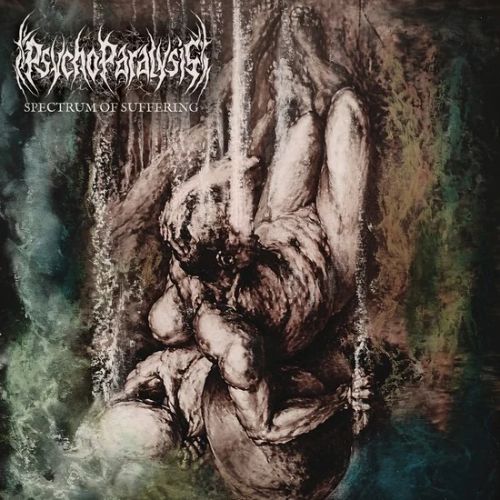
VANTAA, Finland-based (PSYCHOPARALYSIS) return with their second full-length album, thirteen years after releasing their debut, "Human Disposition", in 2013. Having explored different facets of their musical identity through "Voracious" and "Alethophobia" in the intervening years, the band's latest effort, "Spectrum of Suffering", combines the raw aggression of death metal with progressive songwriting. 'Perimmäisestä', which follows opening track 'Tomb of Words', is one of the first examples of how far this approach can branch out. Groovy guitar passages, melodic sections and more intricate instrumental transitions prevent the songs from settling into a single compositional formula.
The guitars extend well beyond the conventions of traditional death metal riffing. Anssi Kantola and Sami Eskola pit sharp, hard-hitting riffs against melodic movements, while harmonic choices that occasionally approach dissonance steer the songs in unexpected directions. Thrash metal's energetic riffing, the more intricate compositions of progressive death metal and the straightforward aggression of old-school death metal all coexist within this framework. Alongside a progressive approach reminiscent of bands such as Atheist and Cynic, there are passages that recall the complex guitar work of Deimilsich and the more fluid, melodic sections of Obscura. These comparisons do not account for the entirety of the band's sound, but they provide a useful framework for understanding how (PSYCHOPARALYSIS) brings different genre elements together within the same compositions.
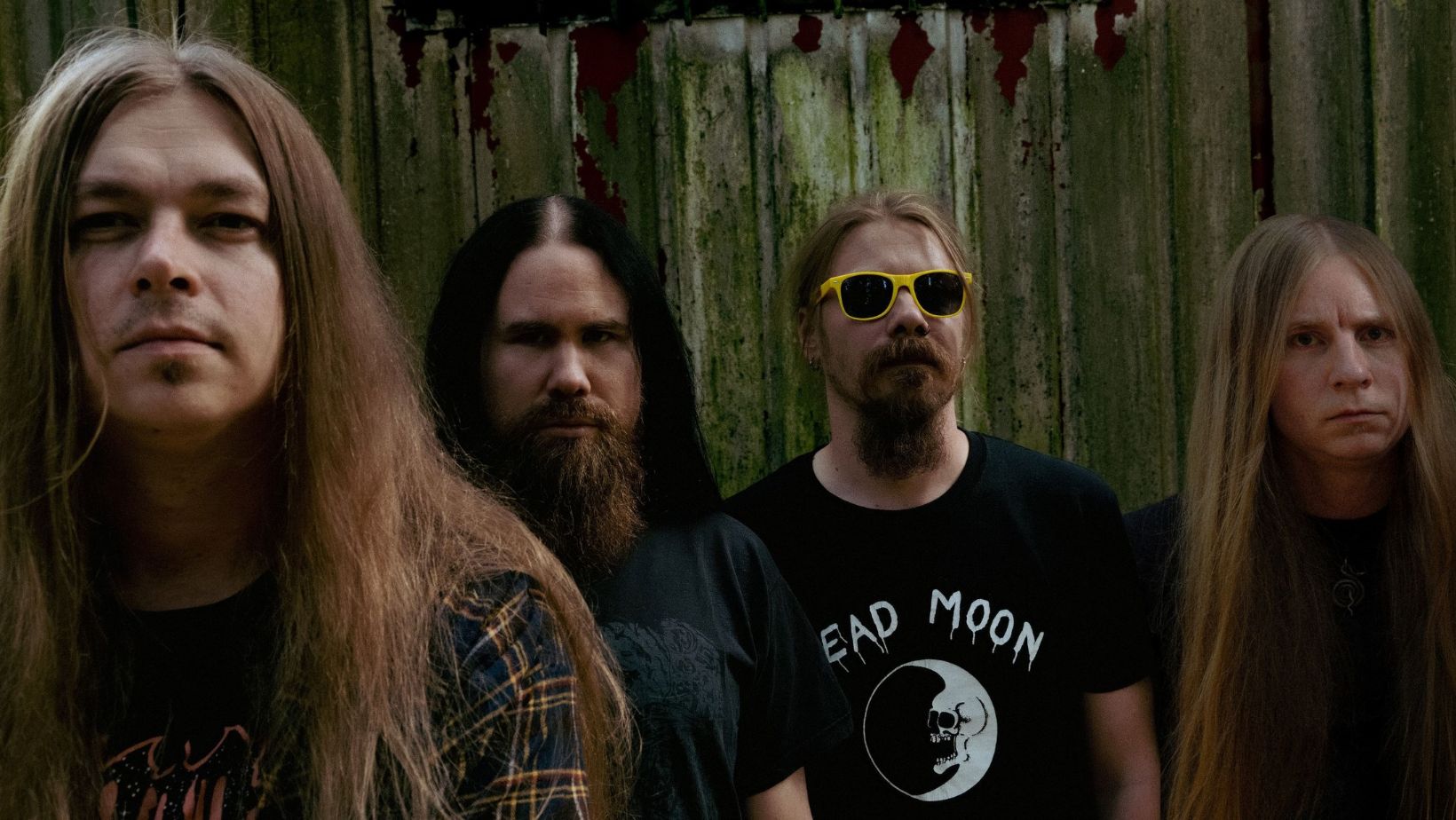
One of the album's more notable qualities is the way Arttu Kantola-Guttorm's bass guitar goes beyond simply supporting the rhythmic foundation. Particularly prominent on 'Voracious (Continuum)', his fluid bass lines bring an additional rhythmic character to the more intricate guitar passages. His interplay with Oskari Tarvainen's drumming also has a considerable influence on the track's flow. Together, their performances help maintain the music's cohesion in sections where the guitars frequently change direction. The album's progressive side, therefore, is not limited to technically demanding guitar passages; it finds a broader musical expression through the rhythm section's direct involvement in the development of the compositions.
Anssi Kantola's vocals also adapt to this constantly shifting framework. Moving between deep, harsh death metal growls, more forceful mid-range delivery and layered dual vocals, his varied approach gives the individual tracks noticeably different characters. This diversity is particularly effective when the music moves into more melodic or atmospheric territory, preventing it from becoming trapped in a monotonous form of aggression. 'Metacognitive Failure' and 'Objective Agony' represent the album's harsher side, retaining a direct death metal weight, while 'Alethophobia' stands out as another track where aggressive guitar work and melodic movement find common ground.
That said, not every transition on "Spectrum of Suffering" feels equally natural. At times, the album leans into the sheer force of death metal; elsewhere, melodic death metal, sludge and darker passages with black metal overtones enter the picture. Unexpected touches, such as the jazz-influenced interlude in 'Perimmäisestä', further expand this stylistic range. However, the succession of different musical ideas occasionally causes compositions to veer off in another direction before their existing ideas have been sufficiently developed. Some transitions feel less like natural continuations of the songs and more like abrupt diversions designed to reach the next idea. This unpredictability contributes to the album's freewheeling character, but it also undermines its overall cohesion at times.
The issue here is not the complexity of the songwriting itself, but how effectively that complexity is put to use. Bringing multiple vocal approaches, different death metal traditions and melodic elements together on a single album does not automatically produce compelling compositions. "Spectrum of Suffering" delivers its strongest results when the rhythm section and guitars complement one another. Elsewhere, shifts in direction occasionally take precedence over musical development. Even so, the band's ability to balance aggression with melody and incorporate progressive touches without sacrificing its extreme metal character remains one of the album's most rewarding qualities.
This is not an album that fundamentally reshapes the traditional boundaries of death metal or establishes an entirely new direction of its own. Its broad range of influences, extending from the progressive death metal of Atheist and Cynic to the more stripped-down aggression of old-school death metal, makes the band's musical preferences clear. The most successful moments emerge when technical proficiency serves the songwriting and different elements contribute to the development of the same composition. Despite occasional lapses in cohesion, the album should appeal to listeners unwilling to settle for a single death metal formula and looking for melodic variety and compositional movement. With this return, (PSYCHOPARALYSIS) does not reinvent the familiar components of the genre; instead, they bring them together in varying proportions to create a musical space of their own, occasionally rough around the edges but ultimately compelling.

https://www.facebook.com/psychoparalysis