ALBUM REVIEW
SICKWOOD – May the Surface Be Condemned
Dark, fuzz-heavy doom with haunting vocals.
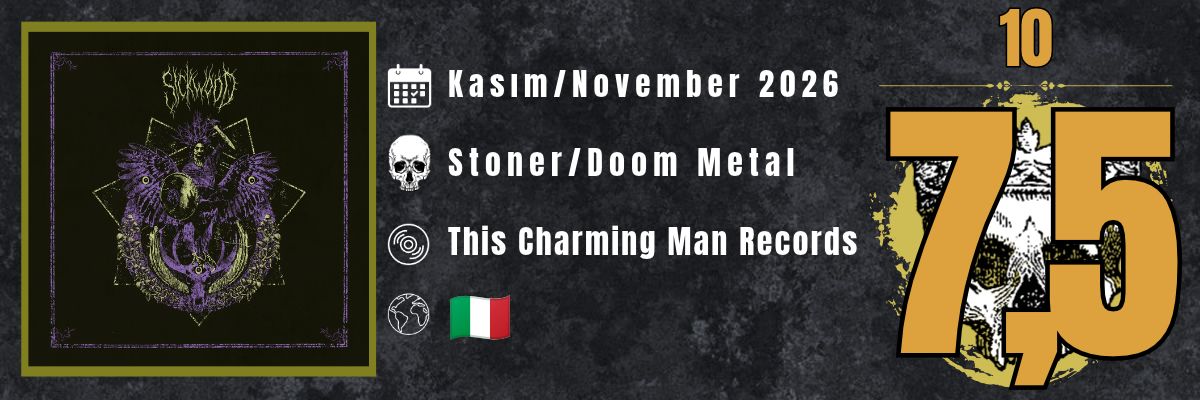
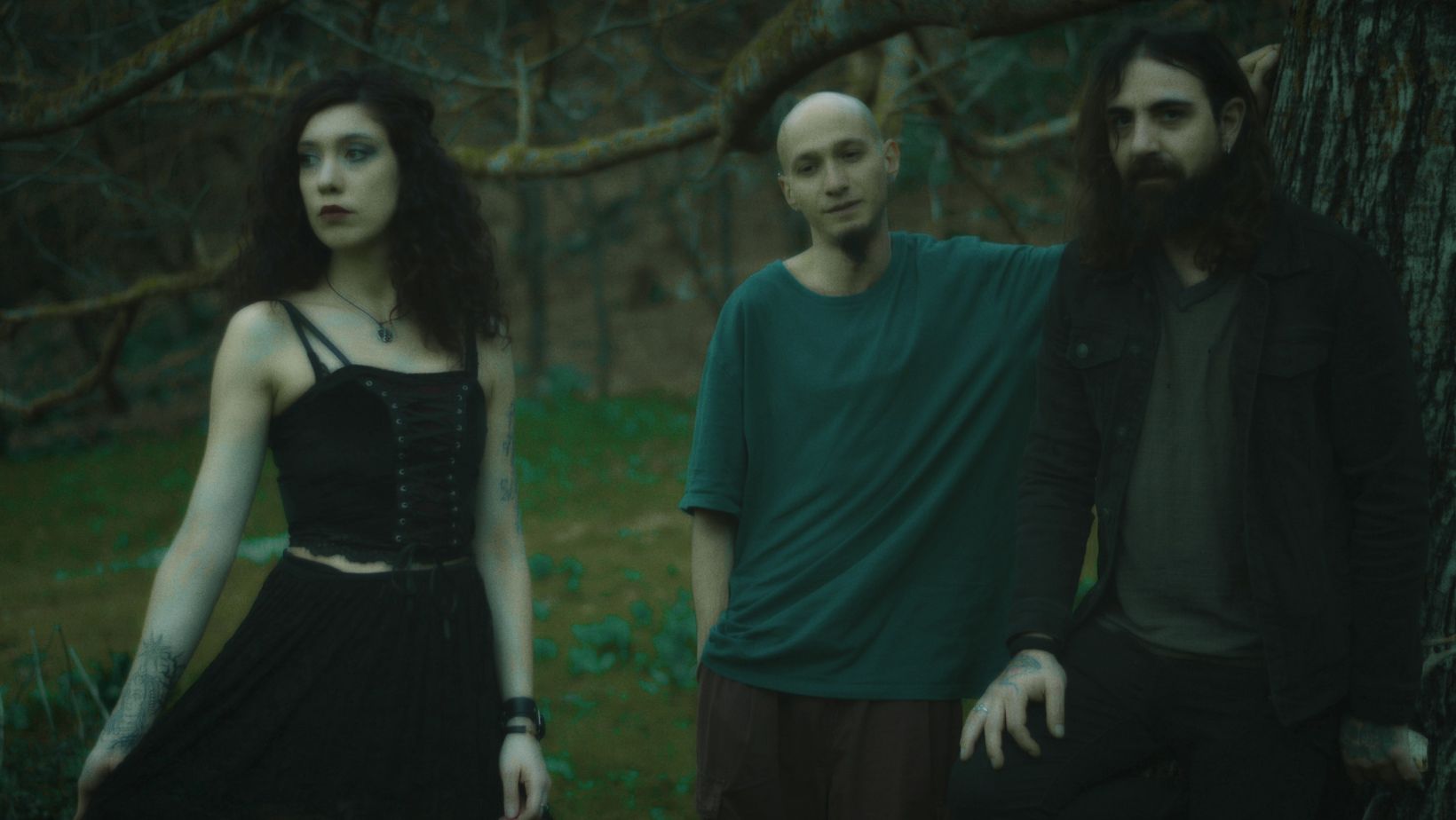
Rome’s emerging doom scene has a new name to watch in SICKWOOD, whose debut full-length, "May the Surface Be Condemned", brings together the weighty riff traditions of classic doom metal with elements of stoner and sludge. The trio’s self-described brand of Necromantic Stoner-Doom combines familiar genre ingredients while developing a distinctive character, particularly through Mara Sverdrup’s vocal performance. Comprising six tracks and running just over half an hour, the album takes care to establish its atmosphere without overstaying its welcome.
The Sabbath-inspired riffs that define Maurizio Fabio Famà’s guitar work combine the sheer weight of slow-paced doom metal with generous doses of fuzz. Rather than constructing elaborate melodic passages, the guitars focus on repeated motifs and expanding riff transitions to give the songs their physical weight. Within this approach, the rawness of sludge metal and the cyclical structures of stoner rock complement one another. That said, SICKWOOD never allows its music to dissolve into an entirely murky and uncontrolled mass of sound. The definition of the guitars and the separation between the instruments ensure that the compositions retain their outlines despite the weight of the production. Stefano Morabito’s mixing and mastering at 16th Cellar Studio are equally suited to this approach. The resulting sound retains its raw character without sacrificing detail, favouring a rough-edged presentation over the clean, sterile production sometimes associated with doom metal.
The album’s rhythmic approach embraces the genre’s deliberate, repetition-driven nature, although it does not always manage to escape monotony. On tracks such as 'Sickwood', the rhythm takes on a more lurching character as the song progresses, introducing movement into an otherwise steady-paced riff structure. 'Vultures', meanwhile, is one of the tracks that establishes the album’s identity, thanks to its massive opening riffs and melodic touches that edge towards epic doom. Here, the riffing sensibilities of classic-era BLACK SABBATH meet the fuzz-heavy sound associated with later stoner-doom traditions. The similarities to bands such as WINDHAND and ACID KING are primarily rooted in this riff-oriented songwriting and the use of slow tempos as a means of building atmosphere. Nevertheless, SICKWOOD lean more towards the darker doom tradition than the looser, more energetic strains that venture into desert rock territory.
Mara Sverdrup’s vocals are just as important to the band’s musical identity as her bass playing. Her ability to move between ethereal, melodic clean singing and a harsher delivery that occasionally approaches growling brings variety to the songs’ atmospheres. The clean vocals provide a melodic focal point above the weight of the guitars, while the harsher passages bring the music closer to sludge and extreme metal. However, the transitions between these two approaches do not always work equally well. In particular, some of the guttural vocal attempts fail to sit naturally within the flow of the compositions. In these moments, where simply adopting a harsher delivery adds little to the music, the character and melodic expression of Sverdrup’s clean vocals prove considerably more effective. Even so, this vocal versatility is one of the main qualities that sets SICKWOOD apart from more conventional stoner-doom trios built primarily around heavy riffs.
'Persefone' and 'Furies Wrath' stand out for their different approaches to guitar work. Both feature solos that favour simplicity over technical showmanship. The guitar melody that emerges towards the end of 'Furies Wrath' is particularly effective, briefly breaking away from the album’s dense riffing to introduce a different expressive dimension. These passages also reveal areas where SICKWOOD still have room to develop as songwriters. A more nuanced approach to certain solos and vocal choices could have made the songs even more effective. Nevertheless, this simplicity is not entirely at odds with the music’s overall character; the album is concerned less with virtuosity than with the atmosphere created by its riffs and melodies.
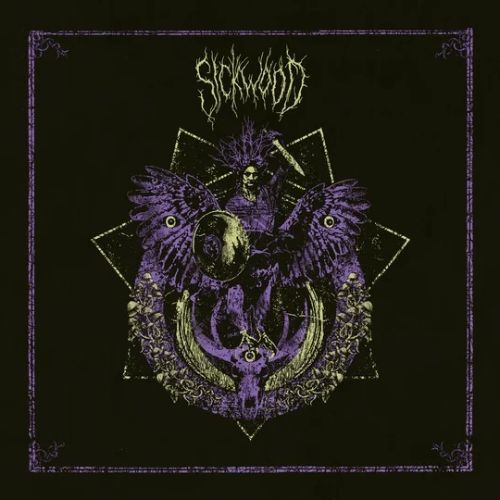
The mythological and horror-inspired imagery in the lyrics further complements the musical approach. Centred on deities associated with the underworld, dark depictions of nature and enchanted forests, this lyrical world is linked in the band’s own description to a metaphorical critique of the contemporary world order. As a result, the supernatural and unsettling imagery does more than reinforce doom metal’s familiar dark aesthetic; it also helps establish the album’s own visual and thematic identity. The artwork by Coito Negato fits this atmosphere, creating a clear correspondence between the visual aesthetic and the music’s dark, occult orientation.
The roughly half-hour running time, spread across six tracks including 'N.N. …', works in the album’s favour. Given doom metal’s reliance on repetition and the gradual construction of atmosphere, there was certainly room to explore a more expansive approach. At the same time, SICKWOOD’s decision not to stretch the compositions unnecessarily on their debut makes the limitations of the material more apparent. Some riffs and vocal transitions could accommodate greater variation, yet certain passages remain reluctant to venture beyond familiar genre conventions. Consequently, "May the Surface Be Condemned" is less an attempt to introduce a new vision of doom metal than a debut that interprets an established tradition through its own vocal character and dark aesthetic.
SICKWOOD still have aspects of their songwriting and vocal arrangements to refine. Nevertheless, tracks such as 'Vultures', 'Persefone', 'Ecate' and 'Furies Wrath' demonstrate that the band have the potential to do more than simply assemble the genre’s familiar ingredients and can turn them into a memorable musical identity. The relationship between the female vocals and doom metal’s weighty, dark foundations is particularly promising, pointing towards the possibility of a more distinctive identity in the future. While remaining within the traditional boundaries of classic doom, stoner and sludge metal, "May the Surface Be Condemned" makes a convincing debut in its ability to create atmosphere, drawing on the genre’s established foundations and deserving the attention of those who appreciate this tradition.

https://linktr.ee/sickwood.doom https://www.instagram.com/sickwood.band/ https://sickwood.bandcamp.com https://thischarmingmanrecords.de