ALBUM REVIEW
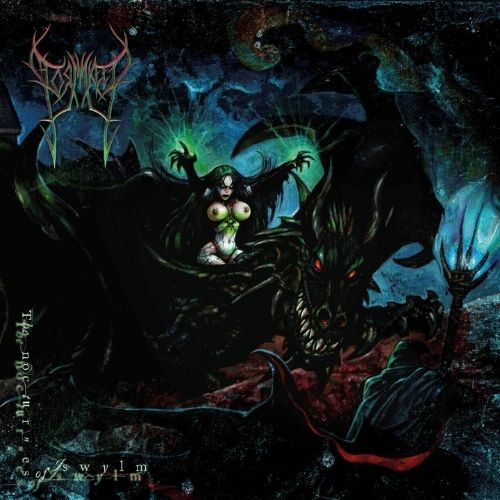
STORMKEEP – The Nocturnes Of Iswylm
A Theatrical Reworking of 90s Black Metal
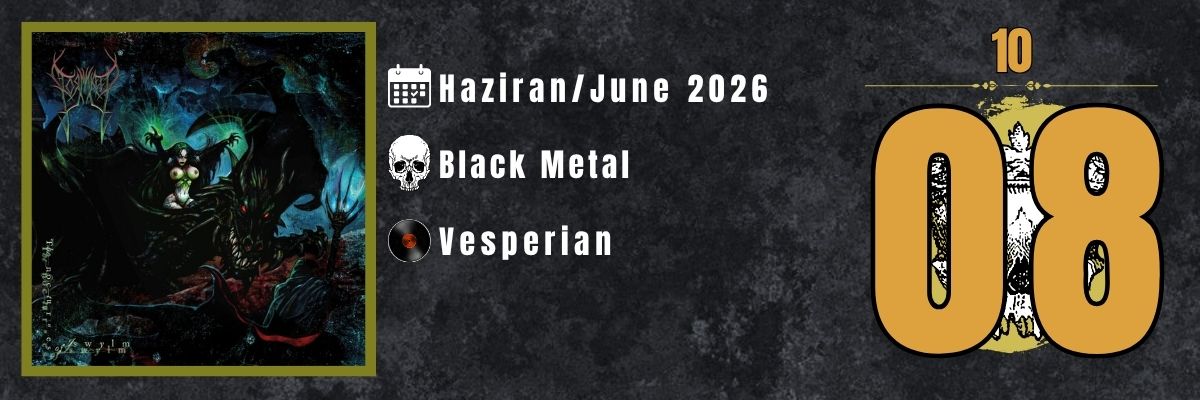
STORMKEEP represent one of the most consistent recent examples of the Denver scene, operating as a project that reconfigures the melodic and symphonic black metal language of the 90s through a contemporary production mindset. Rather than directly replicating the genre’s classical references, the band expands them via tremolo-based riff writing, layered keyboard textures, and theatrical vocal transitions. “The Nocturnes Of Iswylm” positions itself as both a continuation and a denser, more multi-layered iteration of this approach.
From “The Taste of Immortal Blood” onward, the album constructs its framework not through orchestral excess, but through stacked tremolo melodic lines and keyboard textures that move around the record’s structural spine. The opening tremolo guitar passages avoid establishing a fixed harmonic center, instead operating through constantly shifting, unresolved chord progressions. This choice reflects a compositional logic that prioritizes sustained tension over melodic resolution. The drums are not merely a supporting layer; they function as a structural backbone, continuously alternating between blast beats and mid-tempo, almost marching groove passages, thereby shaping the tracks’ dynamic contours.
One of the album’s first striking aspects is the increasingly layered nature of its guitar writing. Compared to the “Tales of Othertime” era, the riffs still draw heavily from 90s Swedish and Norwegian schools, yet they now incorporate more frequent melodic ruptures and unexpected harmonic turns instead of relying solely on rapid tremolo repetition. “The Taste of Immortal Blood” clearly demonstrates this shift: the track opens with keyboard atmospheres reminiscent of early CRADLE OF FILTH, while the guitars progress with a DISSECTION-like sharpness. The key point here is that the keyboards do not operate as a separate layer overshadowing the guitars, but rather as a surface that expands the emotional dimension of the riffs.
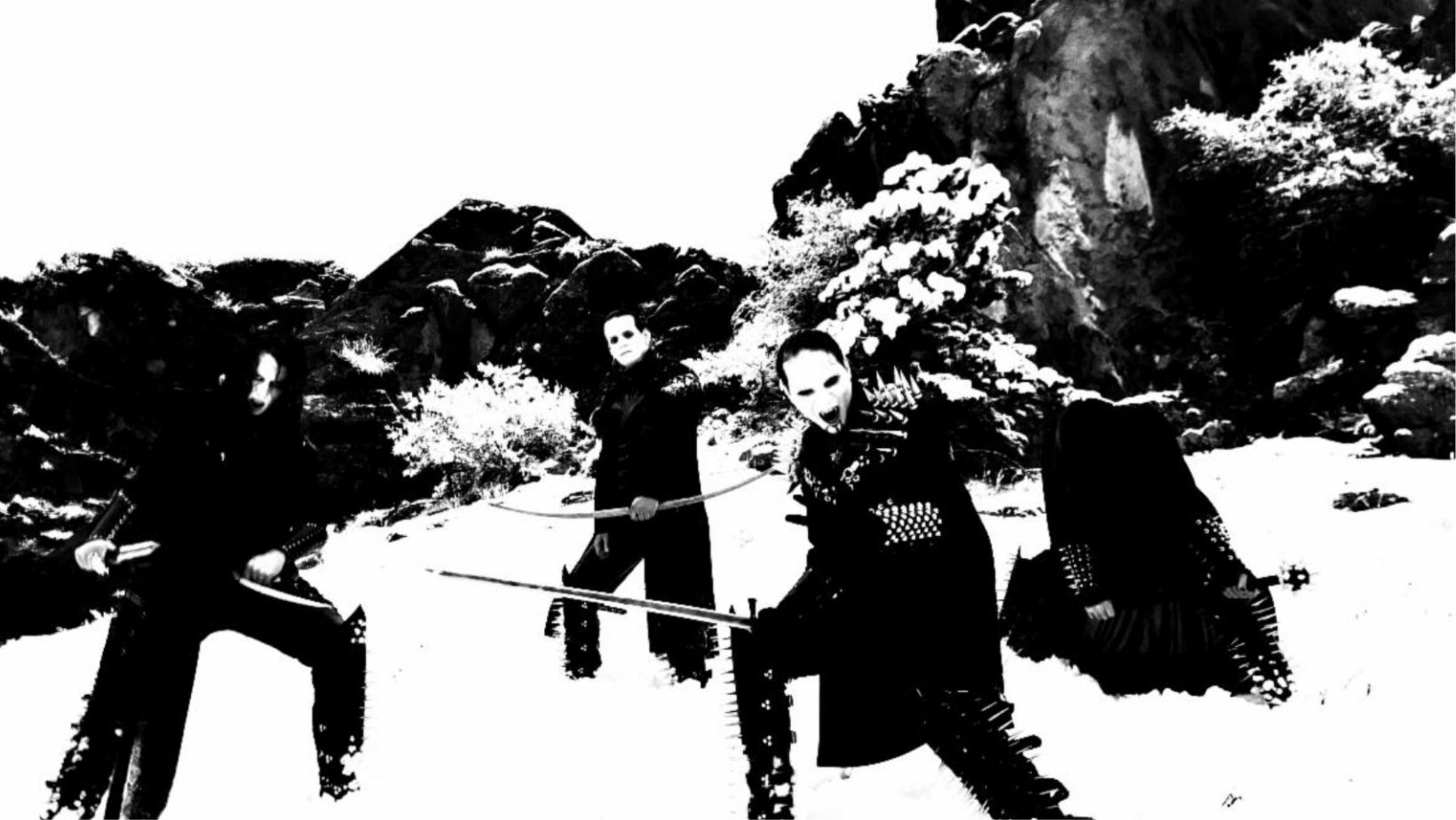
On the vocal front, the most notable development is the integration of clean vocals into the system. Isaac Faulk’s scream vocals remain the dominant expressive mode, yet the clean vocal passages—particularly in the choruses—introduce a contrast that directly affects the structural shape of the compositions. In tracks such as “The Taste of Immortal Blood” and “Imperious Sanguine Eroticism,” these transitions function not merely as aesthetic coloration but as formal segmentation tools. However, at times this clean vocal layer feels less integrated into the organic flow of the riff writing and more like a “layered effect” placed on top. In other words, the idea is strong, but it does not always evolve into an element that reshapes the compositional core.
“The Black Dragons of Iswylm” stands as one of the album’s more physically driven tracks in rhythmic terms. The guitars here are written with a more direct, forward-pushing groove logic, creating a sense of clarity reminiscent of OLD MAN’S CHILD. The drums adopt a more aggressive propulsion in this context, generating a pronounced dynamic contrast between blast-driven sections and groove transitions. The brief bursts of extreme acceleration in the track’s midsection introduce moments that evoke technical death metal, although these shifts do not develop into a continuous structural redirection, functioning instead as intensifiers of dramatic tension.
The midsection of the album—particularly “Saccharine Subjugation” and “Echoes in the Vasts of Sequestration”—highlights STORMKEEP’s strongest asset in terms of dynamic planning. Rather than maintaining a constant tempo, the record establishes deliberate contrasts between tracks. In “Echoes…,” flute-like synth layers and choral background textures are superimposed over dense tremolo guitar work, creating a broader spatial perception. The critical point, however, is that this atmospheric expansion does not consistently transform the riff architecture. The keyboards and choral arrangements function less as forces that rewrite the guitar compositions and more as perspectives layered on top of them.
“Imperious Sanguine Eroticism” marks one of the album’s clearest stylistic deviations. Here, gothic metal references—MOONSPELL, ANATHEMA, and partially MY DYING BRIDE—are directly integrated into the harmonic framework. The fundamental riff movements are slower, more widely spaced, and structured around a form that continually delays melodic resolution. The increased prominence of clean vocals pushes the track away from traditional black metal structures toward a more theatrical narrative form. Yet the same question persists: does this transformation genuinely reconstruct the composition, or does it simply present the existing riff framework through a different aesthetic filter? The track leans more toward the latter.
The album’s production approach reinforces this dual structure. The guitars are prominently placed and recorded with a relatively dry tone, a deliberate choice that clearly references the 90s Norwegian sound. The keyboards, while not recessed, are positioned as an atmospheric layer spread across the stereo field. This mixing strategy ensures that orchestral elements remain in a “peripheral” rather than central role. In other words, STORMKEEP are less concerned with expanding symphonic black metal into orchestral excess, and more focused on building it around a guitar-driven core.
As the album progresses, the relationship between tempo and structure becomes more transparent. “Carnal Tapestries of Nailtorn Flesh” follows a more fragmented compositional logic, while “Ballad of a Fallen Star” serves as a long-form conclusion that gathers all of the album’s ideas into a final synthesis. Particularly in this closing track, acoustic guitar passages and folk-leaning sections establish a framework that connects back to the band’s earlier aesthetic language. However, even here the conclusion feels less like a radical shift in direction and more like a reconfigured summary of the preceding material.
In the broader context of contemporary extreme metal, the album occupies a clearly defined position: an approach that refines rather than expands the 90s black metal language. It can be situated alongside bands like WORM or ONE OF NINE, though STORMKEEP distinguish themselves through a stronger emphasis on compositional structure. Still, in several sections the boundary between ornamentation and structural transformation remains ambiguous. Keyboards, clean vocals, and gothic references do not always function as forces that reshape form; at times they remain surface-level additions that dramatize the existing riff architecture.
Ultimately, “The Nocturnes Of Iswylm” is an album driven by shifting contrasts, one that does not abandon riff-centric thinking but situates it within a broader theatrical framework. For the listener, the record demands attention not as a quickly consumable atmospheric work, but as a structured composition that requires following its sectional transitions and formal shifts. At the same time, the fact that its additional elements do not consistently redefine the compositional core keeps its claim of aesthetic expansion within certain limits. This positions STORMKEEP less as innovators and more as architects of a controlled, intensified theatrical reconstruction of established black metal language.
OZAN
https://www.instagram.com/stormkeepofficial
https://stormkeep-odl.bandcamp.com/music