ALBUM REVIEW
TÝR – Týr
Melodic Viking Metal with folk roots.
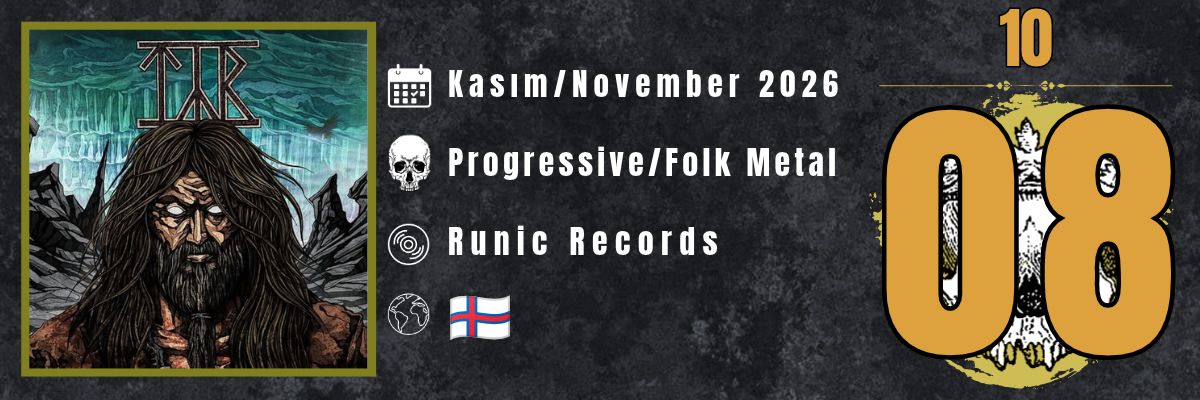
Bringing the distinctive musical and cultural heritage of the Faroe Islands together with Viking Metal, TÝR have become one of the genre’s most recognisable names over the course of a career spanning nearly three decades. Their songwriting, which combines Scandinavian folk melodies with the traditional foundations of Heavy and Power Metal, has gradually expanded over the years to incorporate more progressive and symphonic elements. Their tenth studio album, "Týr", marks both the beginning of a new chapter in the band’s discography and an opportunity to reassess the musical identity they have developed over the years. Released through their own label, Runic Records, following their time with Metal Blade Records, the album retains TÝR’s familiar musical character while giving greater prominence to dramatic storytelling and the interplay of different musical elements.
One of the qualities that sets TÝR apart from other Viking and Pagan Metal bands is their refusal to use folk elements merely to create atmosphere or provide a mythological backdrop. Traditional melodic sensibilities are an integral part of the band’s Heavy Metal-based songwriting. "Týr" continues in this vein, although it is worth noting that Faroese melodies and folk influences are not as prominent throughout the album as they were on some of their earlier releases. The fact that all the lyrics are in English also removes the cultural variety brought by the Faroese, Danish and Latin passages that have appeared at various points in the band’s past. This does not mean the music has lost its folk roots, but it does somewhat weaken the connection between its lyrical narratives and traditional musical identity.
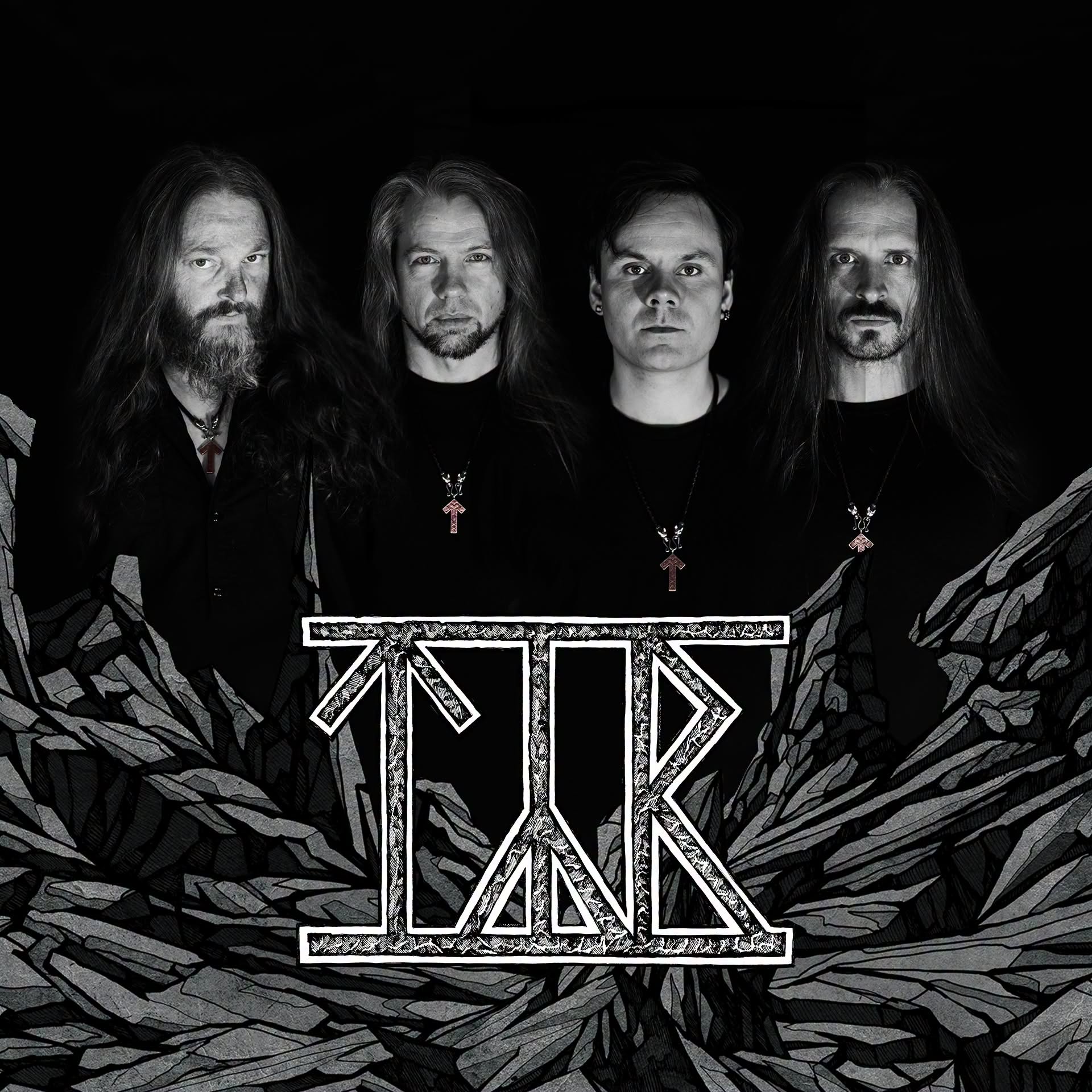
Opening track 'Cycle of Misery' provides a fitting introduction to TÝR’s characteristic guitar work and songwriting approach, built around Heri Joensen’s vocal melodies. The song is driven by distinct riffs and strong melodic transitions, while Joensen’s voice has plenty of room to rise above the instrumentation. Its lyrics, meanwhile, introduce a personal narrative shaped by childhood trauma, anger and the struggle to break free from a destructive cycle, adding another dimension to the track’s musical character. What matters here is the band’s ability to address more human concerns beneath their mythological and warrior-like identity. 'Bloodsworn' then shifts the album’s pace in a different direction, following the opener with a heavier, more deliberate structure and a distinctly dramatic character. Its lyrics explore the conflict between submission and defiance, obedience and choosing one’s own path, complementing the track’s tougher, more determined musical stance.
'Slaughter Chords' is one of the album’s most rhythmically striking moments. Here, TÝR move beyond familiar melodic Heavy Metal conventions, building a more unpredictable relationship between guitar and drums. Rhythmic interplay and unexpected shifts keep the song from becoming trapped in a predictable chorus-driven structure, while the folk melody that comes into focus towards the end serves as a direct nod to the band’s roots. The melodic emphasis in the chorus, in particular, highlights TÝR’s experience in crafting memorable songs. Their progressive approach, in this respect, is less about creating complexity for its own sake than about opening up new possibilities within traditional Heavy Metal songwriting.
In the album’s middle stretch, however, the differences in quality between the compositions become more apparent. 'Home Savage Home' retains its mythological context through lyrics rooted in the Norse tale of Hymir and Thor, while taking a more melodic and emotional musical direction. 'Black Heather Rain' also makes an impression with its structure, which gradually opens up after a rhythmic introduction. Neither track, however, ranks among the album’s strongest moments. Their melodies occasionally follow a rather familiar course, limiting the lasting impression made by this section, particularly when measured against the compelling folk and Viking Metal compositions the band have delivered in the past.
The track that breaks this lull is 'Idols for a Day'. One of the album’s finest compositions, it reveals TÝR’s melodic storytelling abilities from a different perspective. Its ballad-like arrangement is built less around the force of the guitars than the emotional tension carried by the vocal melodies. Heri Joensen’s vocal lines create a natural sense of continuity between the song’s different sections, while the symphonic touches reinforce its melodic structure. The lyrics, meanwhile, develop a narrative around the consequences of past decisions, the transience of power and the devastation passed down to future generations, giving the song’s melancholic atmosphere greater weight. This is one of the album’s most enduring moments, demonstrating that TÝR’s musical world cannot be defined solely by war, heroism and victory.
'Breeder of the Bane' and 'The Guardian Lie' expand the album’s mythological narrative more directly. The former draws on Loki’s role as a disruptive force among the gods, ultimately punished for his actions, pairing this story with the more energetic and aggressive side of the music. 'The Guardian Lie', meanwhile, is one of the album’s most thematically engaging tracks. Its lyrics revolve around Fenrir’s binding and the justifications behind the act, questioning the moral consequences of a broken oath and the belief that war is inevitable. The use of a cappella vocals at the beginning gives the song a distinctive character. As the instruments gradually enter, the arrangement broadens, demonstrating how Joensen’s vocal melodies can become an even more compelling whole through the contributions of the other band members. At first glance, it may seem like a fairly traditional TÝR composition, but the questioning attitude of its lyrics sets it apart from an ordinary Viking Metal anthem.
The album’s roughly ten-minute closing track, 'Two Paths to the Twilight Field: The Righteous and the Ravenous', brings all these thematic concerns together in a more expansive composition. Developing through orchestral arrangements, choirs and a series of distinct melodic passages, the track showcases the band’s experience with long-form songwriting. Its lyrics confront the devastation left behind by a struggle believed to be righteous, while also questioning the opposing forces within the human psyche. The image of a wolf and a hound facing each other on the same battlefield, only for both to die, completes the album’s broader moral dilemma. Musically, the composition delivers an impressive finale through its shifting sections, melodic changes and symphonic expansion. That said, bringing some of its passages together in a tighter arrangement could have increased its dramatic impact. Even so, it is an entirely fitting choice to close the album.
The album’s sonic character also supports this musical approach. The clean, detailed production keeps the rhythmic force of the guitars, melodic instrumentation and vocal layers distinct, making it easier to appreciate the different components of the arrangements. Folk and symphonic elements are not treated as embellishments buried beneath the Heavy Metal foundation; they are positioned as natural parts of the compositions. Nevertheless, one could argue that such a controlled, polished production occasionally smooths out the traditional folk character of the band’s music rather than bringing it further to the fore. The melodic similarities that become apparent in the album’s middle section also suggest that this overall smoothness sometimes diminishes the sense of individuality between tracks.
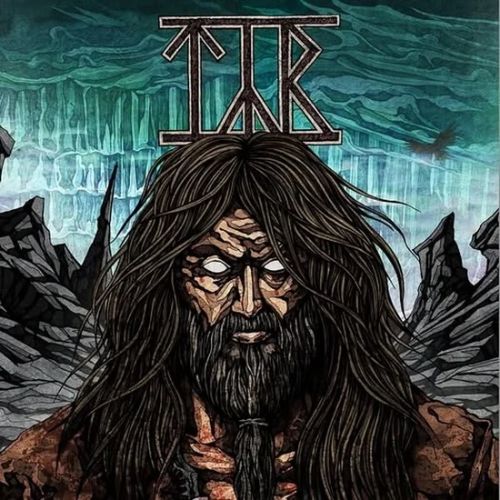
The album artwork establishes an interesting aesthetic relationship with the music. Rather than the warriors, weapons, ships and mythological grandeur commonly found in classic Viking Metal imagery, it presents an aged figure with a weathered face staring directly at the viewer, set against a devastated landscape. Dominated by cold colours, the composition evokes the loneliness and exhaustion left in the wake of destruction rather than the moment of victory. This approach resonates with the album’s lyrical themes of war’s consequences, the burden of the past and moral reckoning. In light of the narratives in 'Idols for a Day', 'The Guardian Lie' and the closing track in particular, the artwork provides a fitting visual counterpart to an album that looks beyond the heroism and warfare of Viking mythology.
"Týr" is a mature example of the musical identity TÝR have spent nearly three decades developing. The band’s distinctive balance of Heavy, Power, Viking and Folk Metal remains compelling, while the progressive and symphonic elements make meaningful contributions to that foundation. Tracks such as 'Idols for a Day', 'Slaughter Chords' and 'The Guardian Lie' reveal the strength of the band’s melodic songwriting from different angles. On the other hand, the less memorable compositions in the album’s middle section and the reduced prominence of Faroese culture in its musical identity compared with earlier releases somewhat limit the overall impact. Even so, the band’s approach, which refuses to simply reproduce the genre’s traditions and instead brings mythological narratives together with human contradictions, remains as valuable as ever. "Týr" is less an attempt to pursue an entirely new musical direction than a strong, occasionally impressive addition to the band’s discography, bringing together different stages of the identity they have built over the years.

https://tyrband.bandcamp.com/music