
EP REVIEW
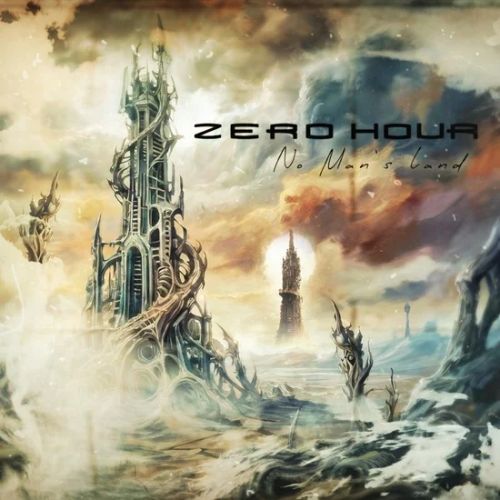
ZERO HOUR – No Man’s Land
Intricate progressive metal with melodic depth.
ZERO HOUR's infrequent releases offer an opportunity to reassess just how distinctive the band's musical identity really is. Having returned to action with 2022's "Agenda 21", the Californian outfit now presents just two new compositions on "No Man’s Land". Both run for more than thirteen minutes, and the EP pairs their vocal versions with instrumental counterparts, bringing the tracklist to four. Although its overall running time is closer to that of a full-length album, what makes this release particularly interesting is the opportunity to approach its two expansive compositions from different listening perspectives.
Technical proficiency has never been an end in itself in ZERO HOUR's take on progressive metal. Intricate rhythmic patterns, shifting time signatures and virtuosic guitar passages are brought together without sacrificing melodic coherence. "Codes Of Violence" is a good example of this approach. As the song moves through more restrained, swinging passages, its rhythmic framework gradually becomes more complex. Beyond its rapid runs and technical transitions, Jasun Tipton's guitar work also serves to connect melodic motifs across the composition's extended structure. Andreas Blomqvist's bass becomes particularly prominent towards the end, emerging as more than an instrument simply underpinning the rhythm. Erik Rosvold's sharp, emotionally charged vocals, which venture into the higher registers, also carve out their own space within this shifting framework.
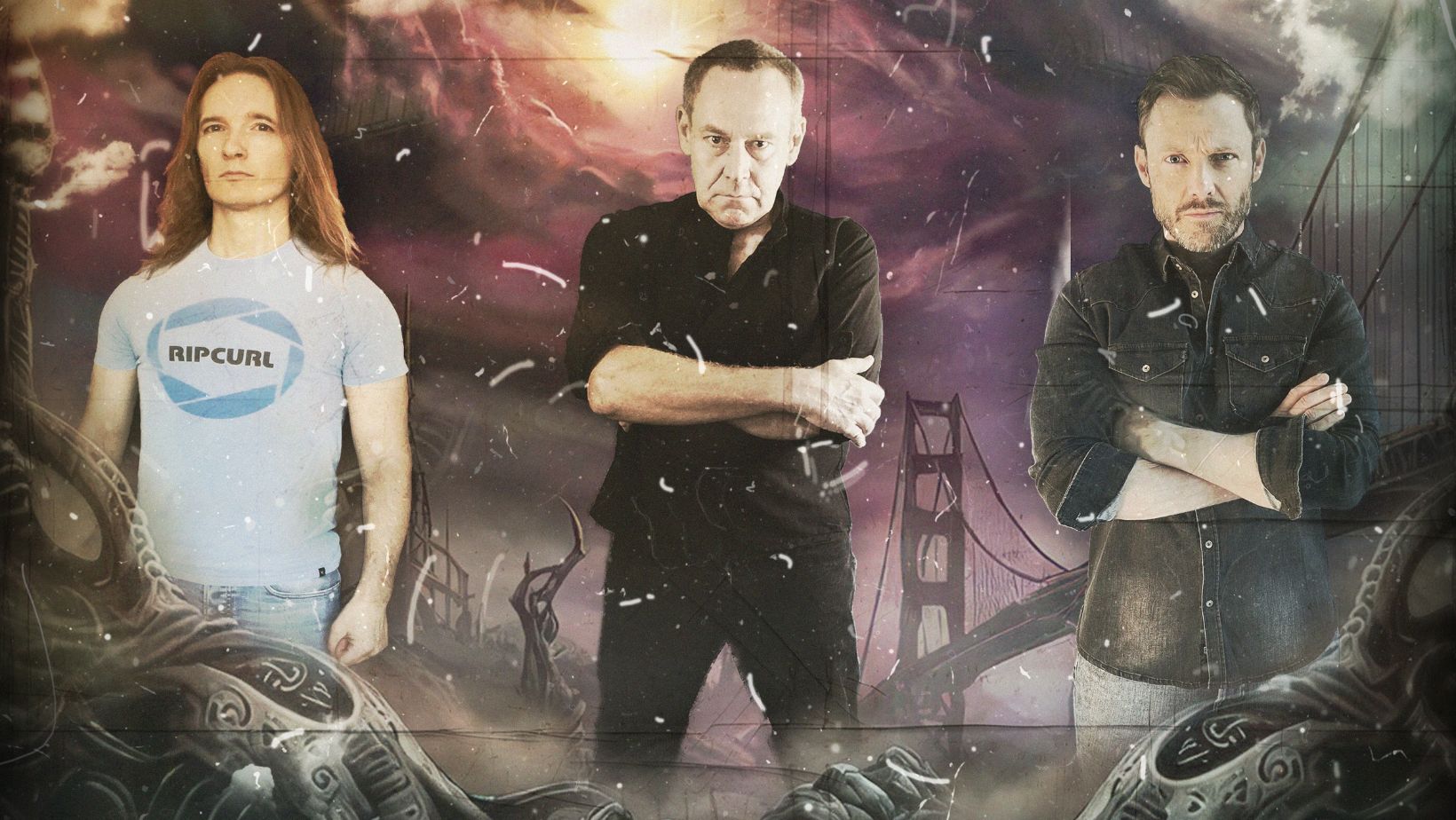
The title track takes a different compositional approach. Following a heavier, more imposing opening, the music retreats into near-silence midway through, before gradually taking shape again. Jeremy Villucci's keyboard parts guide the atmosphere in this section without pushing the guitars and bass into the background. As the instrumental passage develops by degrees, the song gathers momentum in its second half, with the guitars taking on a broader, more symphonic character. The relationship between the keyboards and the melodic fabric is particularly effective, allowing ZERO HOUR to edge towards neo-prog and more melodic progressive rock without straying beyond the boundaries of traditional progressive metal. Certain passages evoke KING CRIMSON's more restrained periods, while others recall CALIGULA'S HORSE in their melodic guitar work. These touches never feel like outright imitation; rather, they expand the band's intricate compositional approach with different melodic colours.
One of the new lineup's most significant contributions to this recording is the role keyboards play in the arrangements. Villucci's performance does more than add another instrumental layer to the music; it balances the density of the guitars, smooths out transitions and broadens the dynamic range available to these lengthy compositions. This approach takes ZERO HOUR's previously more guitar-centred, technically focused style in a different direction. At the same time, the band's characteristic rhythmic complexity and melodic sensitivity remain intact. While the music can be placed within the same progressive metal tradition as acts such as DREAM THEATER and FATES WARNING, ZERO HOUR retains its own identity, particularly in the way it establishes a relationship between rhythm and melody.
At first glance, the two instrumental versions might seem like a way of padding out the EP's running time. Reintroducing the same compositions without vocals offers limited new material for listeners expecting additional songs. On the other hand, these versions provide a worthwhile opportunity to follow details that might otherwise remain beneath the vocal performances. With Rosvold's vocals removed from the equation, the interplay between Blomqvist's bass lines, Villucci's keyboards and Tipton's guitar becomes much easier to appreciate. The inner arrangements of these extended compositions and the interaction between the instruments consequently come into sharper focus. The fact that the instrumental versions are not separate compositions does leave the tracklist somewhat lacking in terms of new material, but that does not make them musically redundant.
The production also supports this approach with a welcome degree of clarity. Following the band's own recording sessions, the material was mixed and mastered by Matt LaPlant, and the instruments remain distinct rather than masking one another. The bass and keyboards, in particular, have room to breathe amid the dense guitar parts. The drums, recorded by Kai Stahlenberg at Kohlekeller Studio, also make the shifting rhythmic structures easier to follow. Keeping such technically demanding music from becoming a blurred mass of sound is an important consideration when dealing with compositions this long and detailed.
"No Man’s Land" draws on the traditional elements of progressive metal – virtuosity, complex rhythms and extended compositions – without becoming obsessed with turning them into a technical showcase. The melodic connections between the different sections of its two compositions, along with the new dimension the keyboards bring to the arrangements, define the EP's artistic cohesion. Having half of a four-track release devoted to repeated material is open to debate in terms of its content, but the compositional richness of the original songs makes the musical rationale behind that decision clear. Among contemporary progressive metal releases with more ostentatious arrangements and denser production, ZERO HOUR occupies a distinct position through its ability to balance complexity with melodic memorability. "No Man’s Land" will resonate with listeners more interested in how composition can shape technical possibilities into a meaningful whole than in the possibilities themselves.

https://www.instagram.com/zerohourtowers
https://www.facebook.com/zerohourtowers
https://jasuntipton.bandcamp.com
https://www.youtube.com/@zerohourtowersofavaricejas557