Interview
HUNTER OMEGA: “We Will Never Sacrifice Our Identity and Integrity”
HUNTER OMEGA gets heavier without losing identity
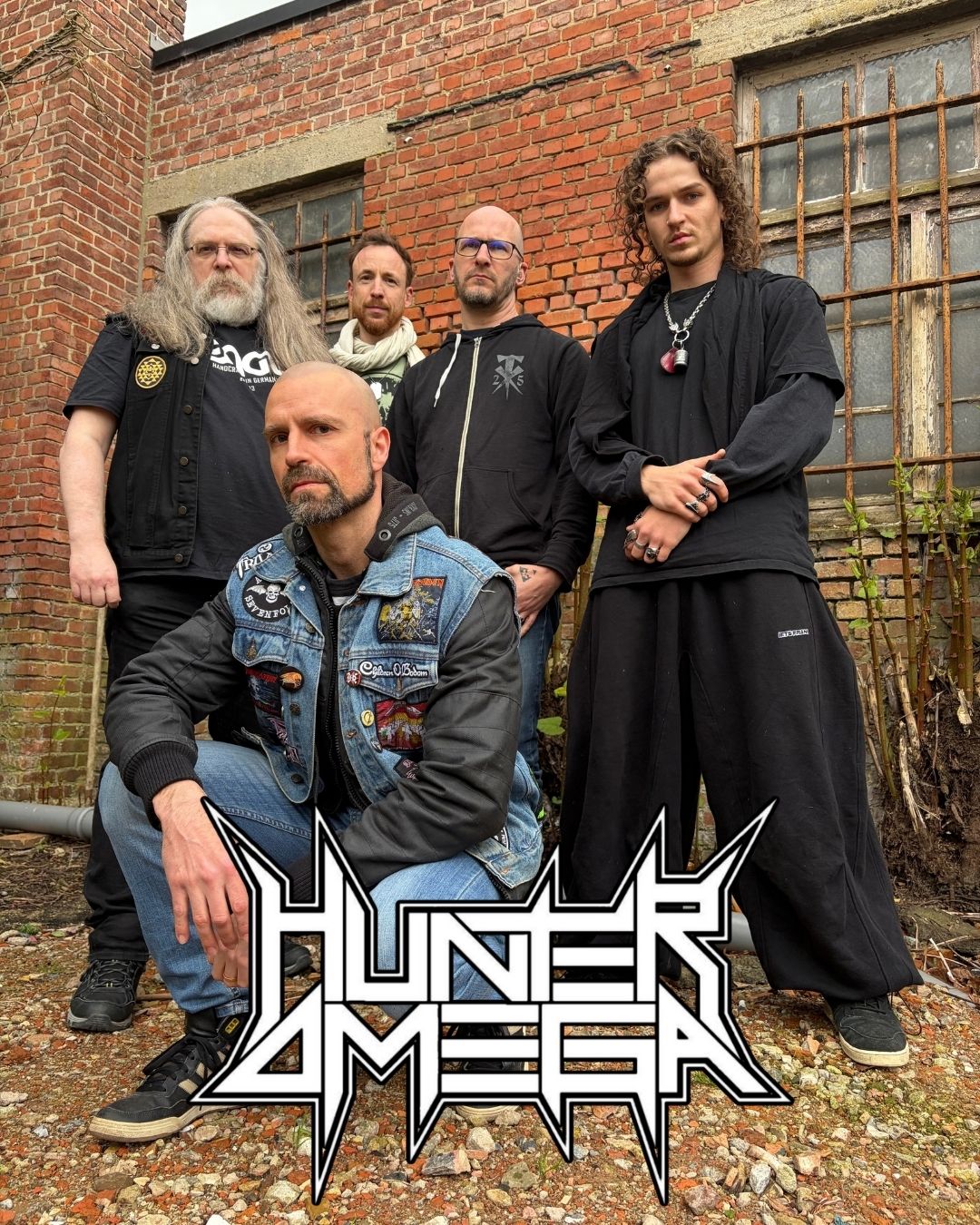
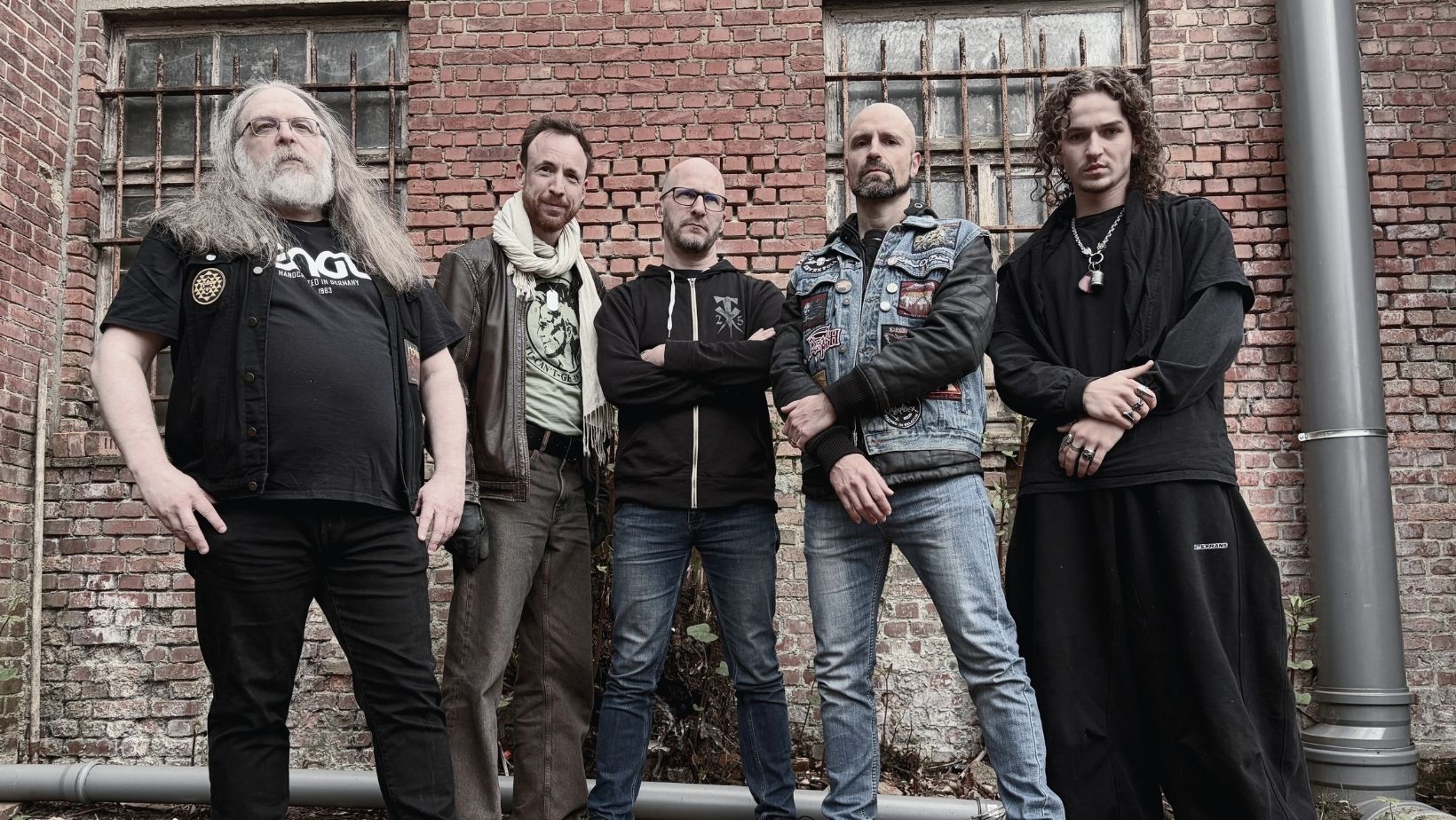
Entering a new era under the name HUNTER OMEGA, the band continues to develop its musical identity rooted in traditional Heavy Metal with a new lineup. The “Lake Of Death” EP marks one of the first significant steps in this transition, while the band is also signalling a move towards a heavier and more aggressive direction. In this interview, we spoke with Joost about the new lineup’s impact on the songwriting process, the recording of “Lake Of Death”, the band’s relationship with the Heavy Metal tradition, the challenges they face as an independent band in 2026, and HUNTER OMEGA’s plans for the future.
Hello Joost, first of all, greetings to you and the whole team. If you’re ready, let’s get started.
HUNTER spent years establishing a very specific identity before the current HUNTER OMEGA era began. Now that the transition is no longer new, what creative freedom does the present lineup give you that you did not have before?
Joost: I don’t think it’s so much a matter of creative freedom. Hunter was always the sum of the parts. That sum is somewhat different now because everyone brings their own influences to the table.
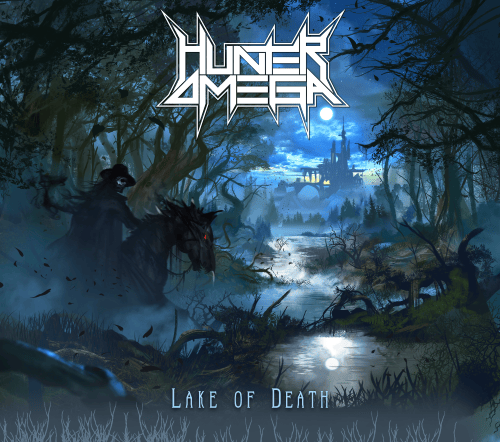
“Lake Of Death” works as a bridge between material written during different stages of the band's development. When you listen to the EP today, which aspects sound unmistakably like the HUNTER you have always been, and which moments point most clearly toward the future?
Joost: I think Ghost Of Anarchy and Lake Of Death probably sound the most like what people have come to expect from Hunter. Knight Of The Black Rose Part 3 may well be our most varied and ambitious song yet and David in particular stretches out into new territory.
Manu Van Poeck and Bram Van Collie joined a band with an established musical vocabulary. Rather than asking how they influenced the band in general, can you identify a specific songwriting decision, arrangement or performance on the new material that would probably have been different with the previous lineup?
Joost: Bram is a very different drummer from Dries. He just adds overall energy and balls to anything he plays on. The main difference between Manu and Thomas is that Thomas would add a rhythmic variation of the riff on top of my part, whereas Manu will rather come up with a little melody. Case in point, the chorus of the title track.
HUNTER OMEGA draws heavily from the language of traditional Heavy Metal without wanting to become a purely nostalgic act. Where do you think the line lies between preserving that musical language and simply reproducing the past?
Joost: We never set out to be a retro act. We just started bringing riffs and ideas and they evolved organically into our style. We are not trying to reinvent the wheel but we also don’t feel constrained by the definition of “traditional heavy metal”. It’s not something we are overly consciously occupied with. I will sometimes say of a song idea “this isn’t a Hunter song” because I do want the band to have a musical identity but that identity isn’t rooted in being period correct.
You have spoken about wanting the band's next material to become heavier and more aggressive. What does “heavier” actually mean to HUNTER OMEGA in musical terms — the riffing, rhythm section, vocal delivery, production, atmosphere, or something else?
Joost: I think we’re all getting angrier as the world goes ever further down the shitter. That anger will inevitably find its way to the music. “Heavier” does not mean using lower tunings. A riff is heavy because of its attitude. I think in the vocal department it’s quite noticeable that David is injecting ever more venom into his vocals. And that adds to an overall atmosphere of aggression.
HUNTER has always been open about its debt to the classic Heavy Metal tradition. But you are now creating this music in 2026, not in 1985. What can a contemporary Heavy Metal band still say with that vocabulary that could not have been said four decades ago?
Joost: We know we’re not going to reinvent the wheel. But that doesn’t mean we can’t write good songs within the genre. Would you begrudge an old band keeping releasing material? Satan, for instance, keep going from strength to strength. We play heavy metal because we love heavy metal. And I think that love shows in the end result.
“Lake Of Death” also represents a significant step in the band's recorded sound. What did you learn from the production of the earlier HUNTER releases that you deliberately wanted to change or avoid when shaping this EP?
Joost: Like everything else it’s a learning curve. We recorded the basic tracks for both albums live in the studio, with vocals and lead guitars overdubbed. We recorded every instrument separately for the new EP. That gives more control and ultimately a more relaxed recording atmosphere.
Rebel Angels Rise was recorded, mixed and mastered by three different people and that was, in hindsight, not the best solution. We found the right studio for us now and everything was done by the same guy which avoids a lot of issues. I think it shows in the end result because the EP is the best sounding recording I’ve ever done.
Your music has always placed considerable emphasis on riffs and musicianship. As production technology becomes increasingly capable of correcting, editing and reshaping performances, how important is it to preserve the character of the actual musicians behind the recording?
Joost: It’s a matter of personal pride and integrity. It’s perfectly possible to play a riff a single time and then copy paste as often as is needed. We most definitely don’t work like that. Every note on the album was actually played. And that makes it sound alive and like an actual band rather than a soulless product.
The modern music market increasingly favours streaming, frequent singles and constant social-media visibility. For an independent Heavy Metal band, what does genuine success look like in 2026: reaching more listeners, selling physical records, playing better festivals, gaining international recognition, or simply being able to finance the next record without compromising the music?
Joost: The most visible reward is getting good gigs, getting feedback from fans and seeing positive reviews. You’re not going to sell thousands of albums as an underground metal band and that’s OK. But having someone buy your CD at a gig and asking for an autograph or a selfie is priceless.
I would rather self finance the recordings and have complete artistic freedom than get a recording budget from a label and be told what to do.
There is now considerable pressure on independent bands to remain permanently visible online. Has social media become an essential part of maintaining HUNTER OMEGA, or do you deliberately try to protect the band from allowing online activity to dictate your creative priorities?
Joost: Bram has a pretty good grasp on social media. He coordinates that side for the most part. You can’t ignore online presence, it’s probably the single most important aspect for a band after the music.
Artificial intelligence is becoming increasingly convincing in songwriting, recording, artwork and video production. Heavy Metal has traditionally placed unusual value on the human element — the player, the riff, the performance and even the imperfections. Which parts of that human element do you believe should remain fundamentally non-replaceable?
Joost: AI has no place in art. We will never use AI artwork, we will never use AI to “help with songwriting”. Art is profoundly human and needs to be protected as such at all cost.
Underground Heavy Metal has changed dramatically since HUNTER first appeared, particularly in the way bands discover audiences and build international connections. Looking at the scene today, what has genuinely improved for an independent band, and what has become more difficult?
Joost: It has become somewhat easier to do everything in house. It has become a lot harder to get gigs. There is a colossal number of bands out there and the number of venues is dwindling.
With the current lineup now established and “Lake Of Death” serving as its first major statement, what are you currently discovering in the songwriting process that could not have emerged before these five musicians were working together?
Joost: The songs on Lake Of Death were basically written with the old lineup. What we’re discovering is that the new guys managed to imprint some of their identity on these tracks. If you listen to the rehearsal room demos and you listen to the final versions, it’s quite obvious what they added.
We’re busy working on new songs and the chemistry hasn’t changed all that much. Someone will bring a basic idea to rehearsal and over time we hone it into a finished product. Manu does have a wealth of songs he wrote over the last couple of years. We are picking the best ones and making them true Hunter Omega tracks.
HUNTER has already gone through one major transformation in its history. Looking ahead, what would you like HUNTER OMEGA to have accomplished by the time you reach the next major turning point — and what would you refuse to sacrifice in order to get there?
Joost: I would like to become a known value in the European metal scene. I think the songs and live performances warrant that.
I will always refuse to sacrifice our identity and integrity. We will never be pushed into a certain stylistic direction. Hunter Omega is Hunter Omega. Take it or leave it.

https://huntermetal.bandcamp.com/
https://www.facebook.com/hunteronstage/
https://www.instagram.com/hunterheavymetalband
https://www.youtube.com/@HunterMetal