News
THY CATAFALQUE Creates a Folk Song That Never Existed for the Mari People
A forgotten folk tradition imagined
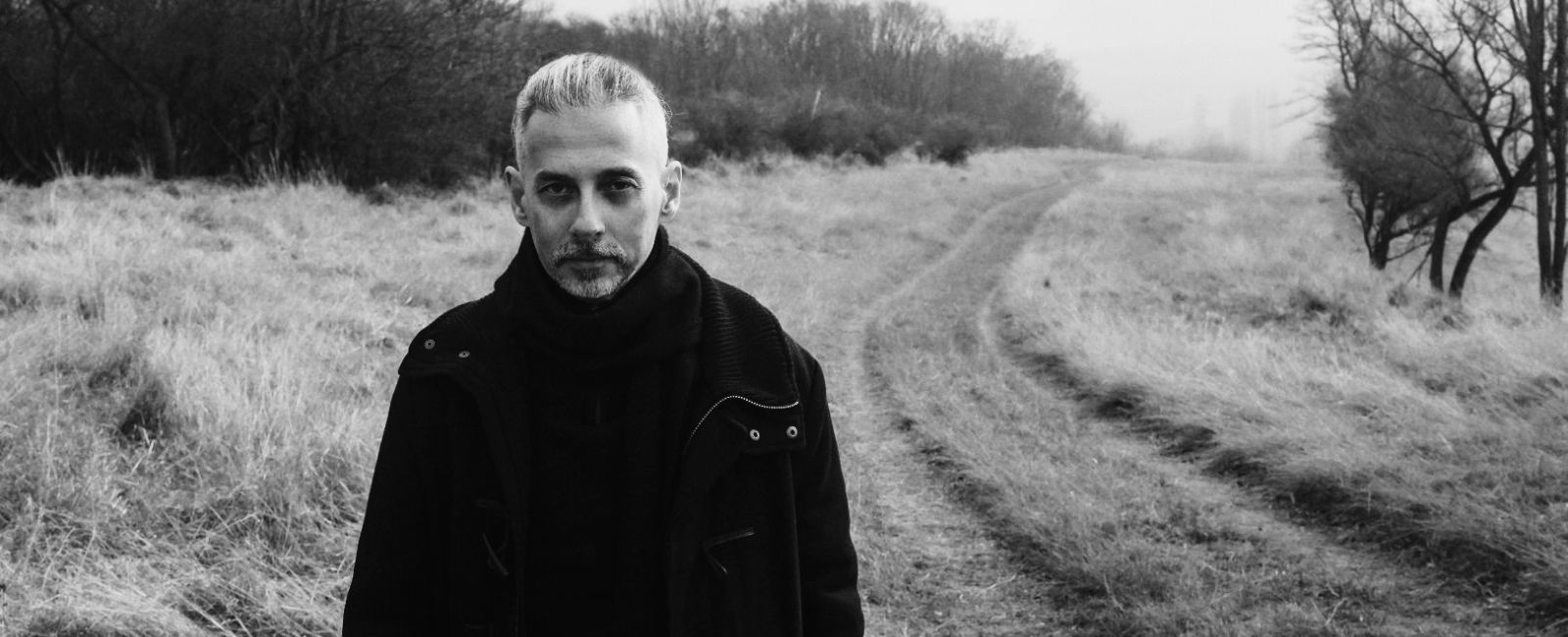
THY CATAFALQUE have released their new single ‘Cseremisz’, accompanied by an official music video. Composed by Tamás Kátai, founder of the Hungarian avant-garde metal project, the track is an imagined folk song conceived as if it belonged to the Mari people, a Finno-Ugric population living around the Volga and Kama rivers. In reality, the song never existed.
The idea behind ‘Cseremisz’ draws on the linguistic relationship between Hungarian and the Mari people. Cheremis is an older name for the Mari, while Hungarian belongs to the same Finno-Ugric language family. Building on this connection, Kátai created an imaginary composition evoking the region's traditional music. Its arrangement features traditional instruments and choral elements, with the Male Choir of Tiszaföldvár also contributing to the recording.
The lyrics accompanying the song's musical framework unfold as a dark narrative set on the steppe at night. The narrator describes himself as a wolf among the reeds and a fox in the meadow, while his heart beats like the hooves of horses racing across the steppe. A black ship drifting along the Volga with its soldiers asleep aboard and the sound of hooves echoing through the darkness are also part of the imagery. The song closes with the repeated line, “A halál mögöttem száll, utolér” (“Death flies behind me, and overtakes”).
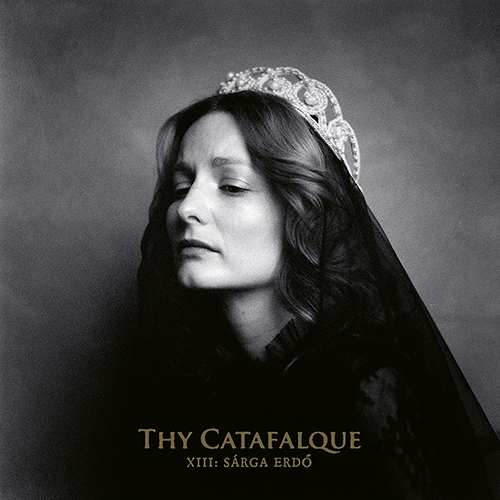
‘Cseremisz’ is the third single released from THY CATAFALQUE's thirteenth studio album, “XIII: Sárga erdő”, due out November 20 via Season of Mist. Following the previously released ‘Búcsú a piros madártól’ and ‘Tömbök’, the new track is one of the album's twelve songs.
Kátai describes the album as evoking the feeling of wandering through the forest of times past, rather than following a unifying lyrical concept. Recorded at various locations and at Miracle Sound Szeged, “XIII: Sárga erdő” also marks the first time in the project's history that live drums have been recorded for an album. A total of 34 musicians and vocalists contributed to the recording, alongside a 20-member male choir.
Pre-orders and pre-saves for “XIII: Sárga erdő” are now available.