
ALBUM REVIEW
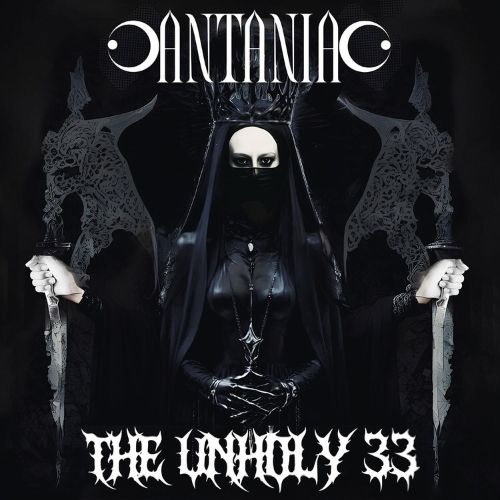
ANTANIA – The Unholy 33
Repetitive black metal driven by electronics.
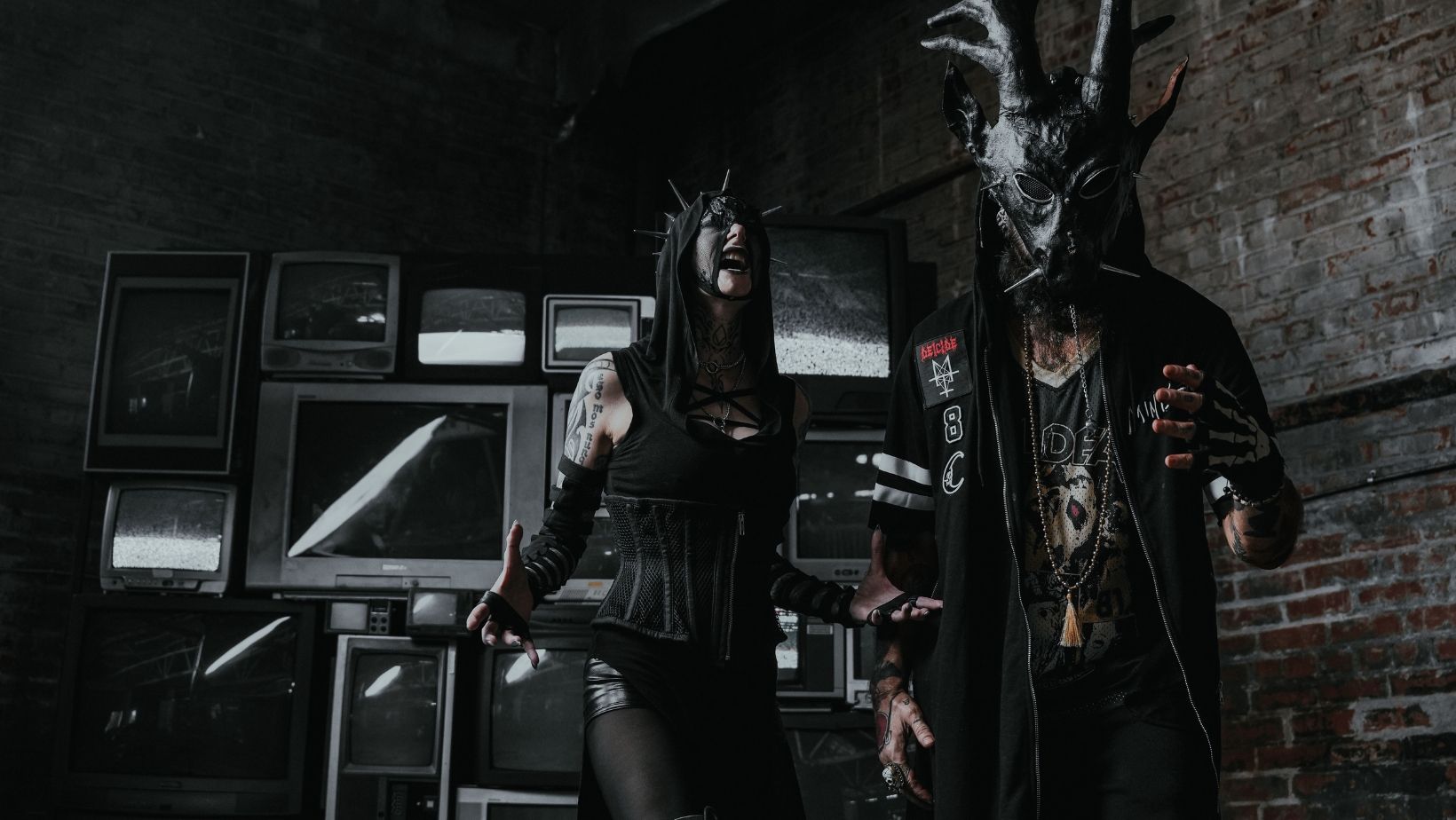
"The Unholy 33" is an intentionally boundary-pushing release that abandons the traditional instrumentation of black metal in favour of electronic sound design. ANTANIA's sound draws on industrial electronics, hip-hop and horrorcore influences, with the California-based duo placing synthesizers, distortion and heavy low-end frequencies at the forefront. With guitars entirely absent, these elements take on the role of riffs as well as providing atmosphere. Consequently, the album's connection to black metal is established not through conventional tremolo-picked guitars or live drumming, but through its vocal approach, rhythmic aggression and dark sonic textures.
Opening track '33' immediately introduces the key elements of this approach. Harsh synthesizer layers ride over electronic beats, driven by sharp, repetitive motifs that take the place of conventional guitar riffs. The distorted, guitar-like tones heard more prominently on 'Gloomzday' sound less like traditional black metal riffing and more like industrial sound design. This approach does not strip the music of its physical weight; instead, the dominance of low frequencies and the abrasive character of the electronics create a different kind of heaviness. Nevertheless, the reliance on a largely unchanged sonic palette and similar patterns of repetition across much of the record makes it difficult for individual compositions to establish their own identities.
Rhythmically, the album combines the mechanical beats of industrial music and trap-influenced hi-hats with blast beats and rapid double-bass passages. The programmed drums occasionally merge familiar black metal tempos with the syncopated, fragmented rhythms of electronic music. 'DVHM3R' is a particularly clear example of this combination. Built around a heavy low-end electronic motif, the track moves between groove-driven beats and blast-beat passages, bringing the intersection of black metal and hip-hop into focus. However, rhythmic variety alone is not enough to create a compelling sense of compositional development. The drums are almost constantly in motion, and at times their activity overshadows the musical ideas rather than helping the songs evolve. As a result, arrangements that appear dynamic on the surface fail to deliver the structural progression one might expect.
Kali Mortem's vocals are another contentious aspect of the album. High-pitched black metal shrieks are delivered in short, clipped bursts over the electronic backing. This approach moves the vocals away from their traditional melodic and atmospheric role in black metal, turning them instead into another component of the rhythmic framework. The problem is that this vocal delivery remains largely unchanged throughout the record. Simple, frequently repeated chorus lines make it difficult for the songs to develop distinct personalities, despite the variety of sounds in the instrumentation. On tracks such as 'Sn0wAnGeL' and 'AntVniV', the blunt lyrical focus on violence and threats fits the horrorcore approach, but the monotony of the vocal performance limits its musical impact.
The album's lyrical world revolves around true crime, psychological horror and real-world violence. These themes fit reasonably well with ANTANIA's electronics-driven musical language. However, there is a noticeable disconnect between the threatening image established by the visual and lyrical presentation and the synthesizer choices, which occasionally become excessively theatrical and even unintentionally cartoonish. Some melodic motifs, in particular, resemble artificial horror-film effects rather than creating a genuinely unsettling atmosphere, undermining the credibility of the aesthetic world the duo is trying to establish. The problem is not the experimental approach itself, but the fact that the sounds chosen do not always live up to the album's ambitions.
That said, the possibilities offered by the electronic production are not without merit. The pitched vocal sample on 'ThUgG33' and the reversed tape effect on 'Flies' introduce different textures into the arrangements. The variation in synthesizer tones on tracks such as 'Cykl0pZ' and 'Frazzledrip' also reveals different facets of the duo's attempt to create an extreme metal identity without guitars. However, these ideas largely remain brief flourishes. The repeated use of similar sonic motifs creates a noticeable sense of fatigue as the album progresses. 'Kultz' and 'HEarSe', in particular, revisit rhythmic and electronic approaches heard earlier without developing them sufficiently. Sustaining such a limited sonic palette at consistently high intensity over a runtime approaching 45 minutes makes the listening experience increasingly exhausting.
The experiment ANTANIA undertake on "The Unholy 33" is noteworthy for its attempt to remove black metal's most recognisable instrument and reconstruct the genre's aggression through electronic sound design. Bringing together industrial, trap and horrorcore elements with black metal vocals gives the duo a distinct musical identity. However, creating an innovative sonic palette and developing it into compelling compositions are two different things. This is where the album's main problem lies: while the electronic arrangements occasionally offer intriguing ideas, their impact is diminished by excessive repetition, limited vocal variation and compositions that fail to develop sufficiently. Ultimately, "The Unholy 33" remains an experimental release whose ambitions outweigh its execution, appealing less to traditional black metal listeners than to those willing to explore the intersections between disparate musical styles.
