Album Review
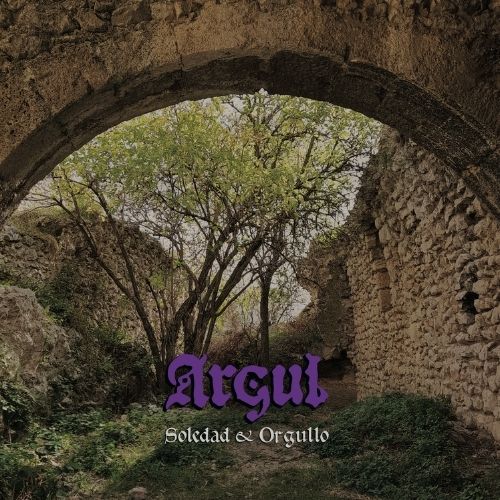
ARGUL - Soledad & Orgullo
An original, weighty take on doom.
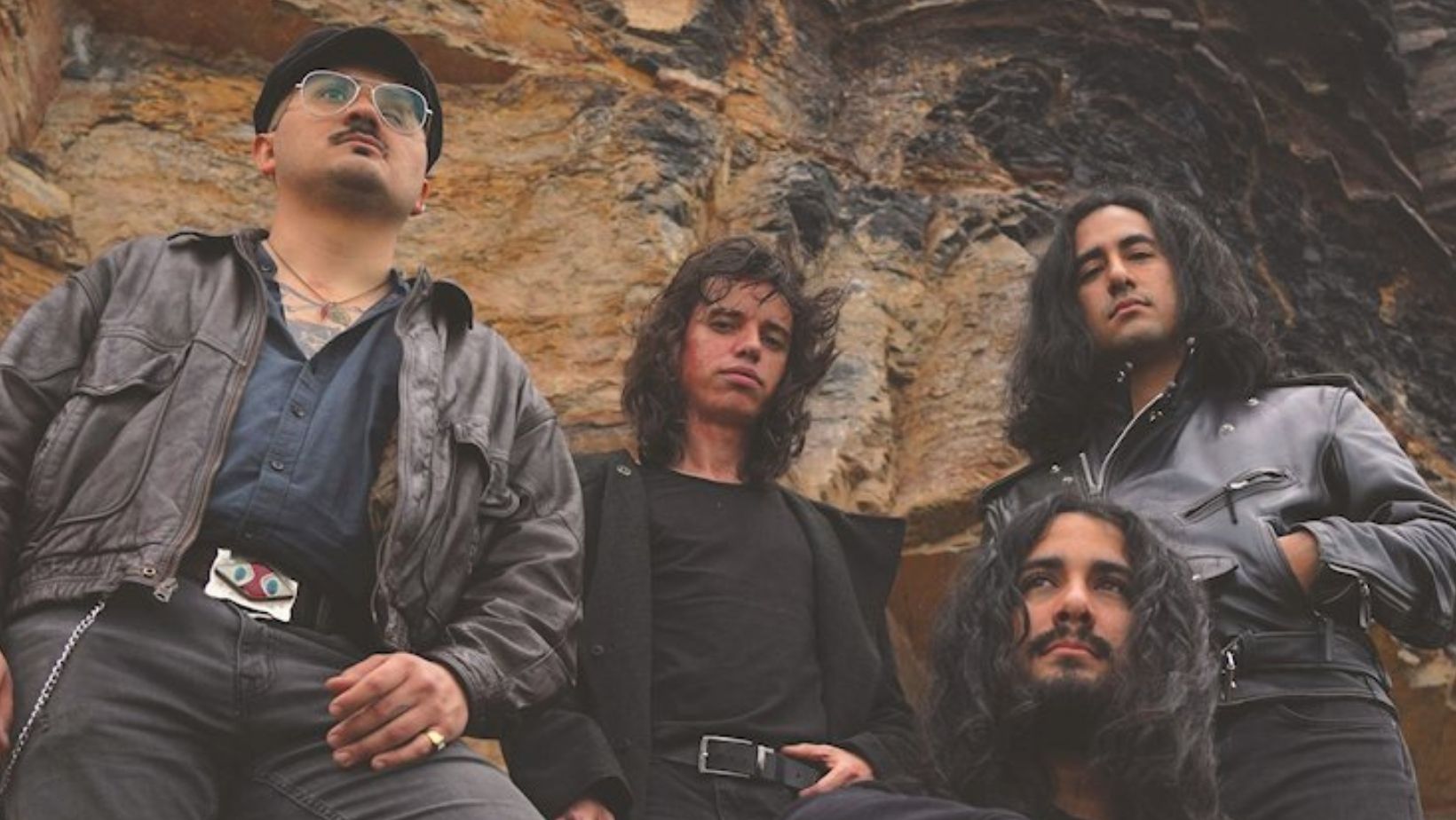
Hailing from Lima, Peru, ARGUL operate at the intersection of traditional doom metal’s weighty riff tradition, the melodic legacy of ’70s hard rock, and the dense textures of stoner rock. Formed in 2014 by guitarist Mauricio Guerrero and drummer Jose María Venturi, the band gradually shaped their sound into something slower, heavier, and more introspective before arriving at their debut full-length, “Soledad & Orgullo”. In particular, the band’s Spanish-language harmonized vocals and approach to extended compositions reveal a desire not merely to reproduce classic doom conventions, but to expand them through a distinctive sense of arrangement.
Rather than using the heavy riffs at the foundation of traditional doom metal simply as a slowed-down heavy metal formula, ARGUL allow them to expand over time, turning the space between density and absence into one of the central tools of “Soledad & Orgullo”. The Lima-based band’s debut combines the blues-rooted riffing of the Black Sabbath tradition with the melodic legacy of ’70s heavy rock, the hazy weight of stoner rock, and extended structures that occasionally take on a progressive character. Yet the album’s real distinguishing feature lies less in these influences themselves than in the Spanish-language harmonized vocals layered over its guitar-driven doom backbone. The vocals do more than simply support the weight of the riffs; by introducing another melodic layer into the harsh and often monolithic instrumental framework, they give ARGUL a more distinct voice within the genre.
“Ritual” is one of the clearest examples of this approach. The roughly ten-minute opener takes its time establishing itself through blues-rooted guitar riffs with a pronounced old-school feel. The dark mass carried by the guitars never rushes; the track’s dramatic impact comes less from rapidly stacking new sections than from allowing the same musical ideas to expand. The harmonized clean vocals entering over this framework depart from the expected doom vocal aesthetic. The contrast between the heavy riffs and the softer, melodic vocal lines gives the arrangement greater depth rather than simply making the song heavier. The break around the seventh minute further demonstrates that the extended structure is not merely decorative padding; as the tempo becomes noticeably more active, more spacious textures enter the picture, shifting the weight established earlier in the song into a different rhythmic perspective.
“Engendro” follows a darker and more direct gait. Its riff language leans more openly into the Black Sabbath tradition, while ARGUL’s use of vocals becomes the key element preventing the track from turning into a retro-doom exercise. The distance between the guitars’ heavy progression and the more distinctive melodic character of the vocals reveals how the band reshapes traditional material. ARGUL are not altering the genre’s basic grammar here; rather, they are turning vocal arrangement—an element that often occupies a secondary role within that grammar—into one of the composition’s defining components.
“Hor Hodin” broadens the album’s rhythmic range. Moving beyond the classic doom march toward a more up-tempo heavy rock character, the track alters its dynamic profile without completely abandoning the threatening atmosphere created by the guitars. This transition matters because “Soledad & Orgullo” makes a deliberate distinction between being heavy and remaining at the same tempo throughout. ARGUL do not build intensity solely through BPM; the duration of the riffs, the points at which the vocals enter, and the moments when the guitars shift into more mobile forms all contribute to the album’s sense of weight.
One of the strongest results of this approach emerges on “Animal Dog”. Spanning roughly ten minutes, the track is built around a heavy, fluid structure in which the riffs move forward almost uninterrupted. The vocals being held back during the opening section is particularly striking; the density generated by the guitars is allowed to persist for an extended period without being broken up by the expected vocal entrances. When the vocals return around the fourth minute, this does more than introduce a new section; it provides a melodic response to the weight accumulated during the first half of the track. In the second half, the vocals sound more distant within the mix while the instrumental mass moves to the foreground, a clear production and arrangement choice that alters the song’s atmosphere. The weight here comes less from the amount of distortion than from the way the sounds are layered against one another.
The fourteen-minute piece that serves as the album’s longest track and is positioned as a bonus track demonstrates how controlled ARGUL can be within more expansive compositions. ’70s rock, progressive passages, and more fragile melodic ideas orbit the band’s doom backbone. Length never becomes an end in itself; the succession of different sections allows the track to move from heavy riffs into more open and melodic territory. Certain guitar characteristics that recall Church of Misery, along with its ’70s-influenced rock approach, bring ARGUL’s stoner side to the foreground, but the band never turns this material into a straightforward retro pastiche. In particular, placing the more delicate passages alongside the heavier sections recreates, within an extended format, the tension between harshness and softness established throughout the album.
At this point, the relationship “Soledad & Orgullo” establishes with traditional doom becomes particularly significant. While a substantial part of the contemporary doom scene amplifies heaviness through death metal’s down-tuned aggression, more extreme vocals, or the muddy density of sludge, ARGUL return to the fundamental tools of an older conception of doom. The riffs are predominantly melodic, blues-rooted, and heavy; the guitars are concerned less with technical display than with creating physical mass. At the same time, the band’s relationship with the past is not merely formal. The Spanish-language harmonized clean vocals, the long and varied song structures, the ’70s rock influences, and the occasional spacious textures allow this old grammar to be reorganized within contemporary aesthetic conditions.
The vocals are particularly crucial here. What disrupts the album’s traditional doom character is not a more modern or extreme vocal technique, but precisely the opposite: a soft, melodic, harmonized delivery that at times approaches something meditative. This choice directly confronts the overwhelming low-mid density of the guitars. The result is not the familiar darkness of the genre covered with a more melodic surface, but a sustained tension between instrumental harshness and vocal delicacy. For that reason, the vocal arrangements never remain a decorative addition to the album. They become one of the principal compositional tools defining ARGUL’s identity within the genre.
The production likewise supports this approach, foregrounding the continuity of the riffs and the physical weight of the instruments rather than pursuing the excessively polished, enormous wall of sound associated with modern doom. The advantage of this choice is that it keeps the band’s ’70s and traditional doom references clearly audible. The drawback is that structural movement remains deliberately limited across some of the longer sections. Tracks such as “Animal Dog”, in particular, ask the listener less to wait for the riff to develop than to remain inside the riff itself. Consequently, the album’s length is not a matter of showmanship but a direct consequence of ARGUL’s compositional philosophy. The fundamental measure of this music is not rapid change, but how long an idea can retain its meaning.
The visual and musical approaches can likewise be said to converge at the same point: “Soledad & Orgullo” positions itself as a doom album that references the past without settling for nostalgia alone. ARGUL’s real achievement lies not in adding a new technical vocabulary to traditional doom’s already familiar riff language, but in expanding that language’s expressive range through vocal harmonies, extended forms, and the use of contrast. The album’s experimental side lies here as well; rather than chasing unusual instruments or flashy production tricks, it alters the relationships between the genre’s existing building blocks.
For this reason, “Soledad & Orgullo” deliberately avoids being an easily consumed doom album. It asks the listener not only to follow the weight of its riffs, but also to pay attention to when repetition is disrupted, where the vocals intervene in the structure, and which contrasts keep the extended sections alive. ARGUL make the case that traditional doom still offers a sufficiently broad expressive field today, doing so not by reproducing the formulas of the past, but by making use of the spaces within those formulas. Ultimately, the band’s identity is shaped less by how old-school they sound than by how consciously they reorganize that old-school material.

argul.bandcamp.com
personal-records.com
personal-records.bandcamp.com
facebook.com/personalrecords666