ALBUM REVIEW
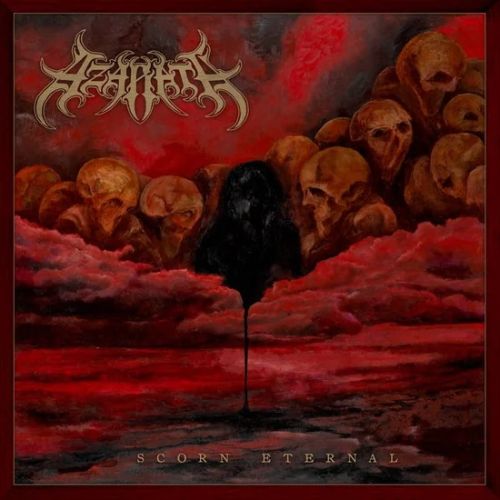
AZARATH – Scorn Eternal
Technical death metal meets dark black metal melodies.
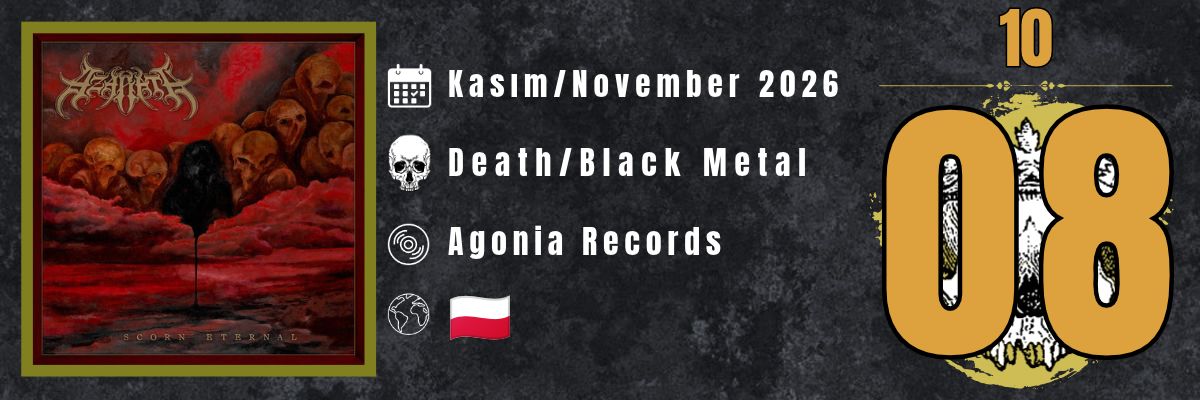
AZARATH, one of the most persistent forces in the Polish extreme metal scene, revisits the sonic identity that has carried the band from its early days to the present on its eighth album, "Scorn Eternal". Founded in 1998 by BEHEMOTH drummer Inferno as a side project, AZARATH has spent the years shaping the harsh transitions between black and death metal into a language of its own. The unrestrained aggression of its early recordings gradually gave way to a more pronounced compositional approach on subsequent albums, and "Scorn Eternal" reflects how far that evolution has come. Released after a six-year gap, the album is very much a continuation of the band's two most recent efforts. At the same time, it makes clear that AZARATH's musical identity can no longer be defined solely by relentless speed and violence.
Opening track 'Anti-Human Lord' offers a brief introduction to the atmosphere of this new record. Widely spaced piano notes and restrained chords create a sharp contrast with the blast beats and punishing guitars that follow. This transition re-establishes AZARATH's familiar aggression while hinting at the broader dynamic range the album has to offer. 'Black Rite Ascendant' meets that expectation with a high-speed death metal assault packed into just under three minutes. Inferno's relentless blast beats are punctuated by brief slowdowns, but rather than draining the track of energy, these interludes create room for the next burst of speed. The recurring guitar motif, in particular, provides a memorable point of reference within such a densely packed composition.
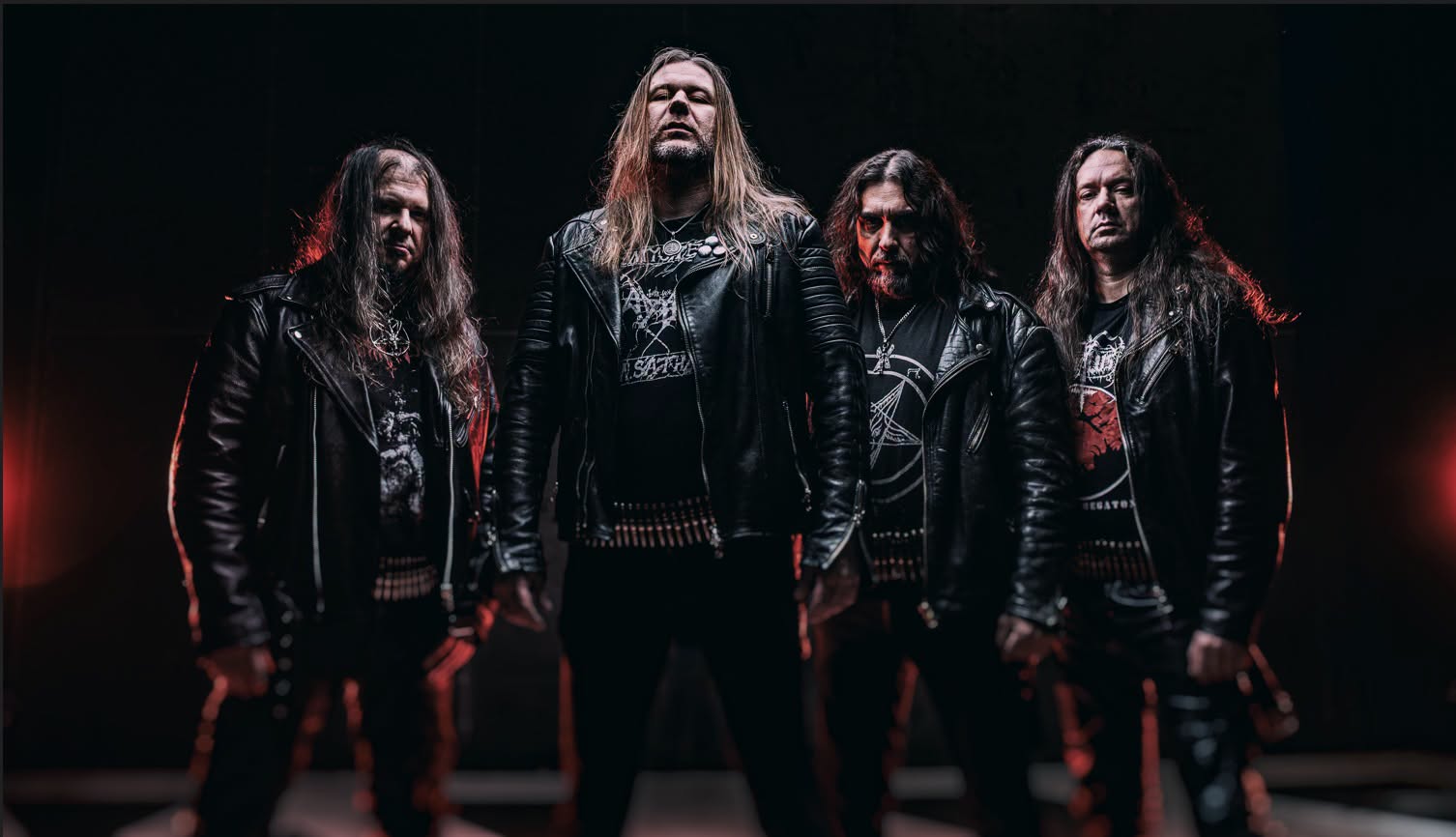
The approach to guitar writing is one of the most important elements connecting the different eras of "Scorn Eternal". Bart and Skullripper's riffs do more than simply deliver fast and punishing passages; syncopation, chromatic shifts, dissonant note sequences and sharp harmonic touches help define the character of each track. The rhythmic structures, which at times recall later IMMOLATION, are occasionally reinforced by high-pitched harmonics reminiscent of Robert Vigna's distinctive guitar style. AZARATH, however, does not stop at imitation. The rhythmic placement of the riffs and the way successive motifs are employed serve the band's own compositional approach. 'Pyre Dominion' is one of the album's strongest examples in this respect. As the track unfolds, fluid orchestral textures are set against fragmented, syncopated guitar riffs, creating palpable tension between two distinct musical movements. The orchestration never takes precedence over the guitars or manufactures an artificial sense of grandeur; instead, it further accentuates the underlying rhythmic unease.
Inferno's drumming is another defining element of the album. The sheer density of the blast beats and the physical impact of the double bass recall the band's ferocious early approach, while the control displayed in the rhythmic transitions makes it clear that the music is not built on speed alone. The riffs at the beginning of 'Sacrament Of Ruin' draw on the old German thrash metal tradition before giving way, within moments, to more technical and punishing death metal passages. Evoking the earlier work of KREATOR and SODOM, this opening takes on a different character once the intense drumming kicks in. 'Throne Of Desolation', meanwhile, opens with the kind of direct aggression that recalls the band's early years. Fast riffs, brief tempo shifts and renewed bursts of blast beats shape the track, demonstrating that technical proficiency has not come at the expense of physical impact. The similarities to NILE are particularly apparent in the density of the riffs and their rhythmic complexity.
Still, the album's character cannot be explained solely through the traditions of death metal. Black metal tremolo picking occasionally emerges from between the death metal riffs, lending the music a colder, more sinister edge. Although Skullripper's more pronounced death metal growls pull the overall sound in that direction, the dark melodic structures carried by the guitars preserve AZARATH's connection to its past. The black metal influence associated with the band's former vocalist Necrosodom is no longer expressed primarily through the vocals, but lives on in the harmonic and melodic choices made by the guitars. As a result, even when the technical intensity rises, the music never becomes a mere showcase of instrumental ability.
With its chromatic shifts and restless riffing, 'Profane Chaos' moves more decisively towards the MORBID ANGEL tradition. The guitar work, which at times also recalls NILE's technical intensity, creates a musical foundation that can be linked to BEHEMOTH's sound in the early 2000s. 'Reborn From Cruelty' stands out for its opening guitar motifs, which evoke Middle Eastern melodies. As these motifs give way to more traditional death metal riffs, the track's ability to bring together contrasting musical identities comes to the fore. Similarly, 'Requiem Of The Dead Sun' does not treat its grand opening melody as an isolated introduction. The motif reappears later in a different form, contributing to the composition's overall cohesion. AZARATH's increasingly mature approach to songwriting is particularly evident in these recurring ideas. Rather than simply alternating between slow and fast passages, the band uses musical motifs to connect the different stages of each composition.
The album's orchestral touches are part of the same approach. The additional arrangements, developed with contributions from Inferno, become more noticeable on tracks such as 'Pyre Dominion' and 'Herald Of The Unseen'. These elements, however, are never used to the extent that they alter the music's centre of gravity. Instead of choral arrangements or grandiose symphonic passages, the band opts for background layers that support the fundamental structures created by the guitars and drums. This restrained approach suits the album's extreme character. On 'Herald Of The Unseen' in particular, the combination of mid-paced passages and blast beats allows the orchestral touches to broaden the track's dynamics.
The production also yields a result open to different interpretations. The mix and mastering handled by Haldor Grunberg give the instruments a clearer, more defined sound, allowing them to stand apart more distinctly. Compared with the more compressed sound of the previous album, "Saint Desecration", this can be seen as a positive development. The rhythmic details in the guitars and the technical intricacies of the drumming are easier to follow. That clarity, however, does not blunt the music's ferocity. The album retains an organic weight throughout, with the dense guitar layers and drum performance complementing one another rather than competing for space.
The more debatable aspect of "Scorn Eternal" is that its tracks do not all reach the same level in terms of variety and memorability. The musical language established in the first three tracks occasionally gives way to similar rhythmic and structural choices in the middle stretch. While some slowdowns provide the compositions with much-needed dramatic space, others diminish the impact of riffs that might have been more effective at a higher tempo. The repeated use of similar contrasts between fast and slow passages also makes the second half of the album somewhat predictable at times. Furthermore, the recurring clean-picked guitar passages and atmospheric touches over heavier sections can make it difficult to distinguish certain songs from one another. As a result, technical proficiency and a strong individual identity do not always converge. More distinctive motifs and a more direct burst of aggression in certain passages could have made the album as a whole more compelling.
Even so, this does not overshadow the musical substance of "Scorn Eternal". The high-pitched guitar passages in 'Revelation Of Deathly Glow', the brief but effective riffing of 'Black Rite Ascendant' and the contrasting melodic character of 'Reborn From Cruelty' are among the album's highlights, revealing more detail with repeated listens. The balance AZARATH strikes here brings together the coldness of black metal and the technical and rhythmic weight of death metal. The musical affinities with bands such as IMMOLATION, MORBID ANGEL and NILE reveal the traditions from which AZARATH draws, but the end result is more than the sum of those influences.
The point AZARATH reaches on "Scorn Eternal" exposes the limitations of an approach that measures the evolution of extreme music solely in terms of speed, heaviness and raw production. Although some of the album's compositional choices could benefit from greater variety, the band's technical control, rhythmic inventiveness and dark melodic language work together as complementary elements. It is understandable to miss the unrestrained aggression of the early years, but a band does not have to keep reproducing its most successful formula from the past to preserve its identity. "Scorn Eternal" shows that AZARATH is not bound by that formula, while reaffirming its place among the Polish extreme metal scene's most noteworthy acts. It is not a flawless career high point, but it is a serious work of extreme metal that expands the boundaries of the band's sonic identity without sacrificing its ferocity.
