
ALBUM REVIEW
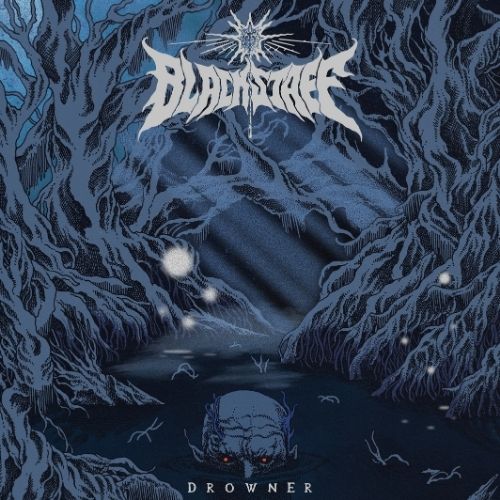
Blackstaff – Drowner
A Dark Fantasy Vision of Blackened Doom

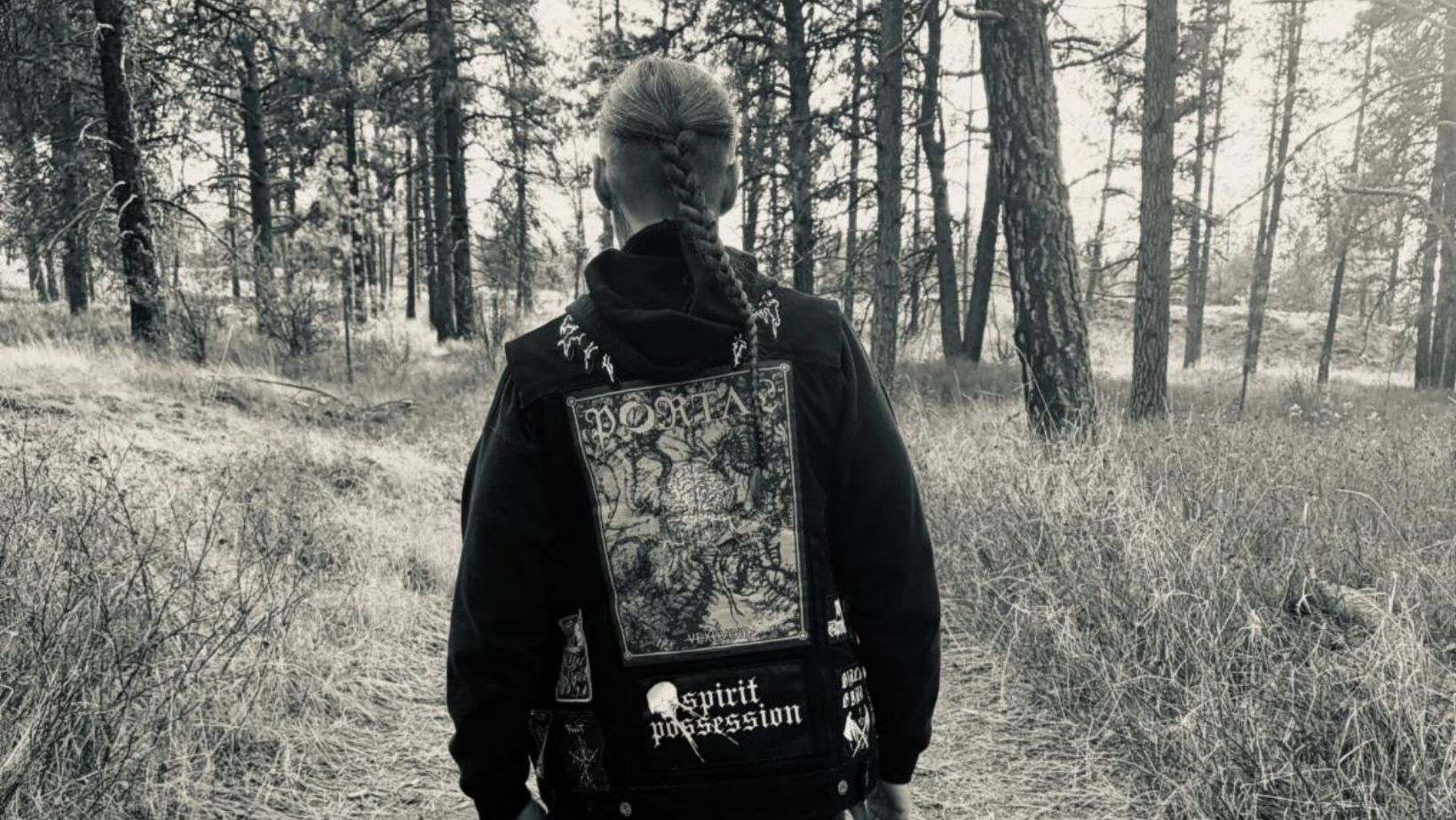
Blackstaff stands out as a Washington-based project that combines dark fantasy narratives with the crushing atmosphere of blackened doom and the various facets of extreme metal. Built around Dustin Cleary’s one-man creative vision, the project aims to create not only a musical framework with each release, but also its own mythology and narrative universe. The Drowner EP is one of the clearest examples of this approach, bringing together doom’s crushing weight, black metal’s aggressive dynamics, and cinematic arrangements.
Drowner is a release that combines a riff-centered songwriting approach with the layered narrative potential of blackened doom. Dustin Cleary’s compositions do not build their atmosphere solely through dense guitar tones or slow tempos; the way riffs connect with one another, the seamless flow between sections, and the shifts in dynamics all become essential elements of the storytelling. Although this three-part structure, running approximately twenty minutes, technically consists of separate tracks, it functions as a single composition in practice. As a result, the listener remains within a continuously unfolding dramatic structure rather than experiencing isolated songs separated from one another.
The guitar work forming the backbone of the EP carries clear traces of traditional doom metal. Sabbath-inspired heavy riffing is reinforced by harsh, dirty chord progressions reminiscent of Celtic Frost, while the songs open toward black metal aesthetics through blast beat-driven surges at crucial moments. However, these transitions are not used merely to create shifts in tempo; Cleary continuously reshapes the tension by placing the same riff ideas into different rhythmic contexts. This approach separates Drowner from the constant atmosphere-building instinct often found among many contemporary bands operating under the blackened doom banner. Rather than constructing its intensity through extended drone layers, the EP builds its weight through evolving riffs and arrangements.
The rhythm section plays a crucial role in these transformations. The drums reinforce the heaviness of the guitars during the slower doom passages, while the blast beat sections pull the music toward a death and black metal axis. The fact that these transitions feel natural is one of the EP’s strongest qualities. There are no abrupt breaks between genres; instead, the entire structure progresses like different levels of tension within the same narrative. Particularly on the opening track “Swamp Lights/Drowner,” the composition avoids becoming stagnant by continuously introducing new layers throughout its ten-plus-minute runtime rather than relying on a single riff idea.
The vocal approach is similarly built around variation. Deep death metal growls, higher black metal screams, spoken-word passages, and occasional clean vocals appear to mark specific characters or dramatic turning points. This diversity becomes a functional part of the narrative rather than a display of technical range. The brief use of clean vocals, in particular, creates unexpected spaces within the dense wall of distortion and strengthens the dramatic pacing of the compositions.
One of the EP’s most notable aspects is its use of electronic textures and keyboard layers. While synthesizers are no longer an unusual choice within blackened doom, these elements on Drowner never attempt to overshadow the riffs. Field recordings, electronic noise, and keyboard passages function less as decorative effects illustrating the swamp atmosphere and more as arrangement tools that smooth the transitions between scenes. As a result, the electronic layers do not radically redefine the identity of the release; instead, they reinforce the continuity of the compositions by supporting the cinematic flow of the narrative. The experimentation here is not an attempt to redefine the boundaries of the genre, but rather a controlled choice that makes the existing structure more cohesive.
From a structural perspective, “Godlike” serves as the section where the death metal influence becomes more pronounced, while “Flesh Golem” once again places doom’s crushing pace at the forefront. Particularly in the closing track, the synth touches and gradually thickening guitar layers reveal the grotesque side of the story not only through the lyrics but also through the arrangement choices. The atmosphere here does not emerge from excessive reverb or ambient passages, but from the constantly expanding frequency range of the guitars and the rhythm section’s gradual increase of pressure.
The production approach also supports this aesthetic. The guitars create a broad “wall of sound” effect without completely burying the details. While the bass does not stand out as an independent voice within the mix, it reinforces the lower frequencies of the guitars and contributes to the overall weight. Although the drums possess the sterile clarity often found in modern extreme metal productions, the overall mix has intentionally been left with a rough edge; this choice strengthens the physical sensation of the swamp-themed narrative.
The visual and conceptual identity of Drowner also moves in harmony with the direction of the music. The world-building rooted in folklore, dark fantasy narratives, and role-playing games is reflected in the organization of the compositions, unlike many extreme metal projects today that place the entire weight of a concept album’s identity solely on the lyrics. When the three tracks are considered alongside the cover aesthetics and dark fantasy language, the concept becomes more than a superficial theme and transforms into a part of the album’s compositional logic.
With this EP, Blackstaff does not create a radically new language within the blackened doom scene; however, rather than simply placing different genre elements side by side, the project develops its own narrative approach by merging them within a unified dramatic flow. Drowner is a release that rewards attentive listening through its refusal to chase technical showmanship, its focus on riff writing, and its ability to support storytelling through arrangement decisions. This approach, which demonstrates that atmosphere in extreme metal can emerge not only from sheer sonic density but also from compositional architecture, places Blackstaff’s identity in a more distinct position among similar projects within the genre.
OZAN
https://www.instagram.com/blackstaff_doomed
https://www.tiktok.com/@blackstaff_band
https://www.facebook.com/p/Blackstaff-100088873124330/
https://blackstaff.bandcamp.com