ALBUM REVIEW
Sinsid – All That Remains
Traditional Heavy Metal Reforged
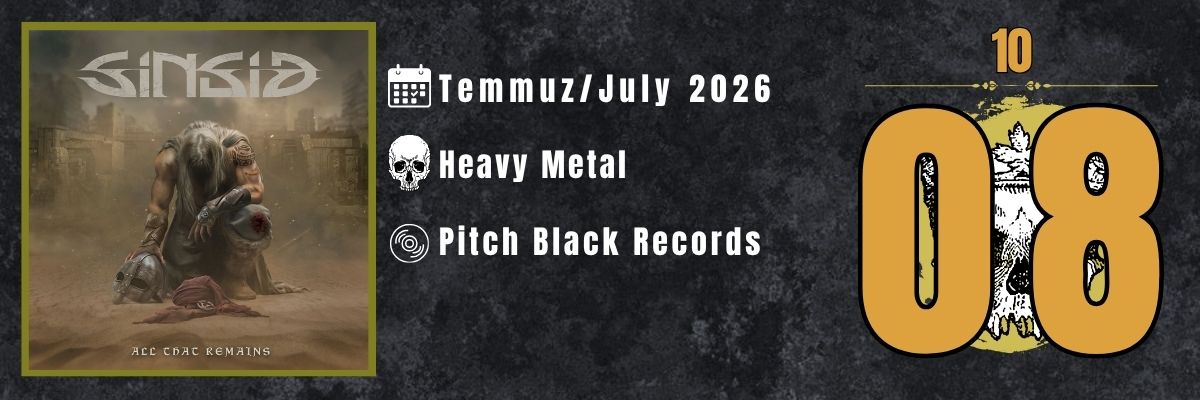
Sinsid, continuing the traditional path of the Norwegian heavy metal scene, is one of the bands that reinterpret the legacy of classic metal through powerful riffs, memorable melodies, and a songwriting approach built around the live experience. Throughout their fourteen-year journey, the band has remained committed to the genre’s fundamental dynamics, shaping the influences of predecessors such as Judas Priest, Accept, and Iron Maiden through their own hard-edged and melodic approach. All That Remains emerges as Sinsid’s fourth studio album, showcasing the band’s determination to carry the spirit of heavy metal’s past into the present day.
The album’s opening track, “All That Remains,” quickly reveals Sinsid’s musical identity. Thick guitar tones, powerful drum hits, and gang vocals designed for audience participation form the foundation of the track. The song structure largely relies on the reliable formula of classic metal: a memorable central riff, an ascending chorus, and guitar solos that increase the impact toward the finale. However, this approach also defines the overall boundaries of the album. While Sinsid embraces the strengths of traditional metal, they do not pursue a serious attempt to break away from these established patterns. As a result, although the track serves as an effective introduction, it feels somewhat safer compared to the more distinctive moments that emerge later on the album.
“Sarcophagus” is one of the points where the band reveals its harsher and more aggressive side. Here, the rhythmic structure of the guitars approaches the sharpness of 80s thrash metal; particularly through its fast galloping rhythms and choppy riffing, it recalls the classic metal/thrash crossover territory of bands like Accept and Destruction. However, Sinsid’s intention is not to simply recreate old thrash formulas. Throughout the track, melodic guitar work and strong solo sections prevent the song from becoming merely a speed-driven composition. The drums also play an important role, with more dynamic passages during transitions helping the track avoid becoming trapped in a predictable structure.
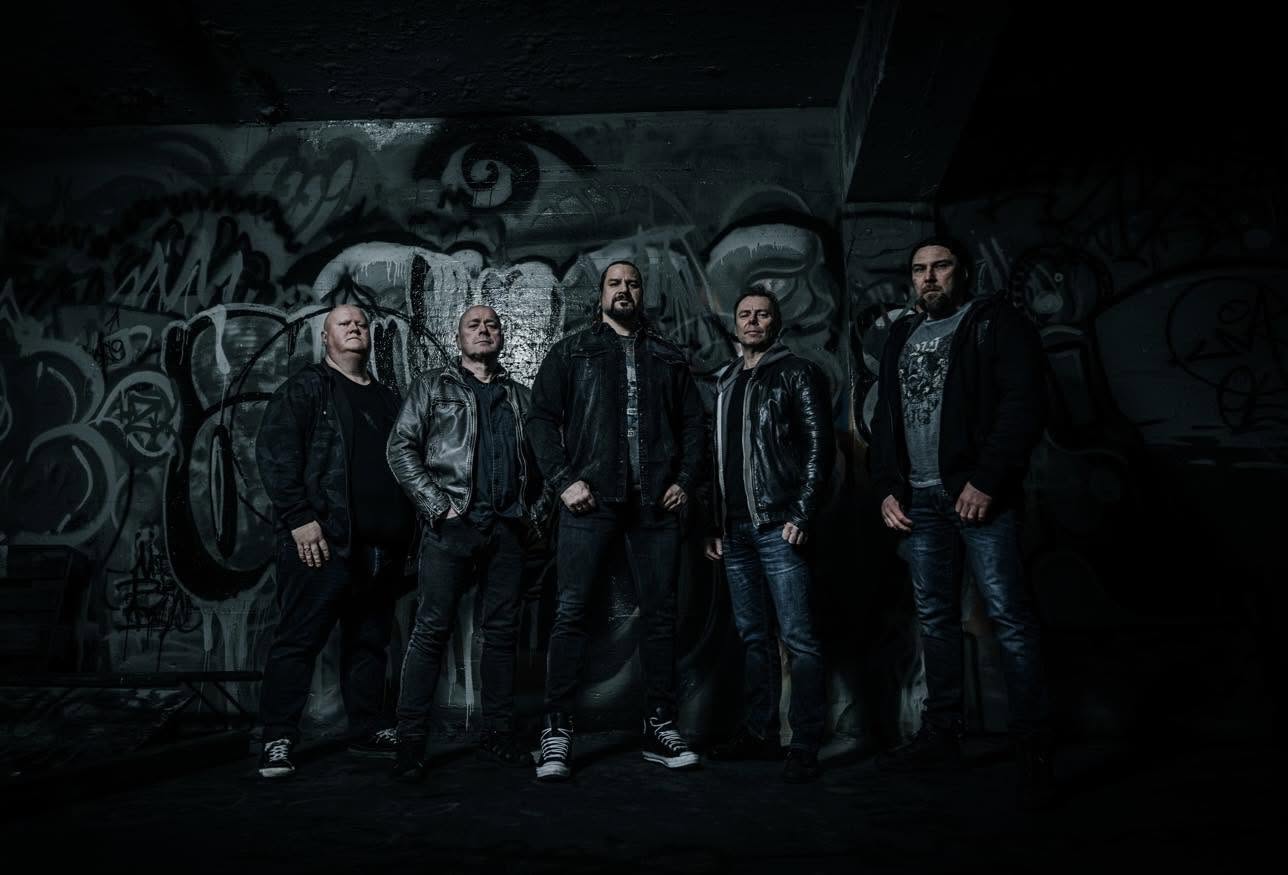
One of the album’s most striking elements is vocalist Terje Singh Sidhu’s approach. Unlike the high-pitched vocal style commonly associated with traditional heavy metal, Sidhu employs a deeper, fuller, baritone-oriented tone. This choice is one of the defining characteristics that separates Sinsid from many bands within the same genre. Particularly on mid-tempo tracks such as “Running,” his vocal delivery carries a weight reminiscent of Blackie Lawless’ gritty, almost spoken style. However, the performance does not always maintain the same level of balance. In some sections, the natural power of the vocals merges effectively with the compositions, while in others — especially during more demanding melodic passages — the voice occasionally sounds pushed beyond its most comfortable range. This does not diminish the overall quality of the album, but it does show that songs better aligned with Sidhu’s vocal strengths ultimately achieve more convincing results.
“Templars Of Metal” is one of the tracks where Sinsid directly expresses their dedication to heavy metal culture. Large chorus sections, chant-ready hooks designed for collective participation, and the classic metal anthem approach are at the forefront here. While this type of songwriting has become a common approach within today’s traditional metal scene, Sinsid uses it not as an artificial exercise in nostalgia, but as a natural extension of the band’s musical identity. Likewise, “Pioneers” serves as a tribute to the pioneers of heavy metal, yet it does not rely solely on references; with its strong bass lines, layered melodic guitars, and clear chorus structure, it stands firmly on its own.
The rhythm section remains one of the album’s most consistent strengths. Particularly in the mid-tempo tracks, the bass guitar does not disappear beneath the guitars; instead, it reinforces the weight of the riffs and strengthens the sense of groove. “Azad Hind” is one of the clearest examples of this approach. The track develops into a more epic structure after its step-by-step drum introduction is joined by bass and guitars. Its historically focused narrative offers an alternative direction to the mythological and fantasy-driven themes often associated with traditional metal. However, the important point is that the storytelling element never overshadows the music itself. Rather than using history merely as decoration, Sinsid supports the theme through the track’s rhythmic movement and atmosphere.
The darker side of the album emerges through songs such as “Lawless Hunter” and “The Horror (I Know).” In particular, “The Horror (I Know)” demonstrates that the band is not limited to writing traditional heavy metal anthems, with its slower structure, threatening guitar melodies, and atmospheric vocal delivery. The opening solo and the dual-guitar harmonies that appear later in the track make the influence of Dio-era Rainbow more apparent. This darker tone does not disrupt the album’s overall energy; instead, it strengthens its dynamic balance.
“Somewhere In The Dark” features one of the album’s most expansive arrangements. With a runtime exceeding five minutes, Sinsid allows themselves a broader compositional space; acoustic guitar passages, rising solo sections, and the return of the heavier main structure give the song the sense of dramatic progression often found in classic metal albums. Here, the band demonstrates that they can work with longer-form compositions without completely abandoning traditional structures. The acoustic section does not function merely as a transitional atmospheric element; it serves as a structural component that prepares the song’s second-half escalation.
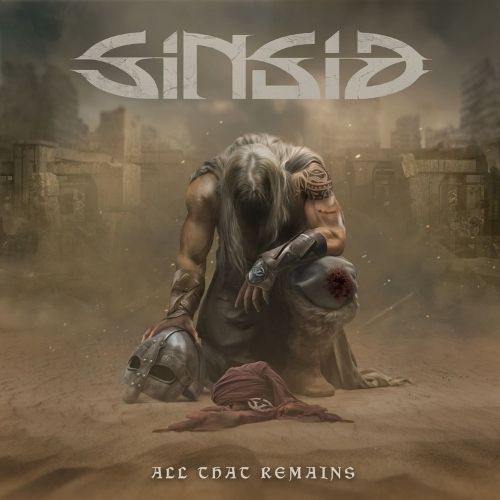
From a production perspective, All That Remains avoids the overly sterile and compressed approach often found in modern metal. The guitars sound powerful and full, while the drums retain a natural sense of impact. The mixing choices support the band’s classic heavy metal roots; keeping the riffs and vocals at the forefront strengthens the album’s live-oriented character. The visual work created by Andy Pilkington also aligns with this approach. The cover artwork and overall aesthetic remain close to traditional metal iconography without feeling like a simple nostalgic reproduction. The visual identity creates an atmosphere that reflects the album’s themes of history, warfare, struggle, and legacy.
What Sinsid achieve with All That Remains is not an attempt to expand the boundaries of traditional heavy metal, but rather to establish a strong identity within those boundaries. Although the album contains many elements that could easily disappear among today’s retro metal movements, the clarity of the songwriting, the distinctive vocal character, and the strong guitar work allow it to define its own space. The band respects the genre’s past without attempting to reinvent it; instead, they focus on the structural qualities that continue to make classic metal effective.
All That Remains is not an album built around quickly consumed nostalgia; it demands a listening approach centered on riffs, choruses, and live performance energy. Sinsid’s position is shaped less by creating an innovative turning point and more by demonstrating how traditional heavy metal can continue to exist in the modern era. The album’s success lies precisely here: rather than simply repeating old formulas, it reminds us why those formulas still work.
OZAN