
ALBUM REVIEW
SOOTHSAYER – The Unbinding
Dark, Layered, Ritualistic
Hailing from Cork, Ireland, SOOTHSAYER have drawn attention by forging their own dark narrative space through the combination of doom metal’s crushing foundation and the sharp edge of atmospheric black metal. Moving away from the rawer and murkier sludge influences of their early period, the band turns toward a more controlled, layered, and experimental sonic architecture with The Unbinding. Consisting of five extended compositions, the album demonstrates that the band is not merely focused on creating heaviness, but on placing the tension between different extreme metal traditions at the core of their songwriting.
At first glance, The Unbinding appears to be an atmospheric doom record attempting to expand the boundaries between genres, yet its real strength lies in the way it tries to unite contrasting musical layers within a single structural framework. Comprising five tracks, all exceeding seven minutes in length, the album is not an extreme metal release designed for immediate consumption; instead, it follows a compositional approach that gradually reveals its ideas while constantly questioning the balance between repetition and progression. The Cork-based group leaves behind much of the murky sludge influence found on their debut album Echoes of the Earth while maintaining doom metal as its central foundation, adding elements of atmospheric black metal, death doom, and occasional post-metal textures. However, this expanded sonic palette also becomes the album’s greatest strength and its most debatable aspect.
The most noticeable transformation on the album emerges in its production approach. Moving away from the dirtier, denser, and occasionally uncontrolled atmosphere of their previous work, the band opts for a cleaner and more defined sonic landscape this time around. The separation between the guitars is particularly striking; on one side are thick, fuzz-driven tones carrying the riff foundation, while the other emphasizes sharper melodic lines, tremolo passages, and clean guitar textures. Rather than frequently following the same rhythmic patterns, these two guitar approaches assume different narrative roles. As a result, the songs are not built around a single massive wall of riffs, but instead progress through the tension created by two distinct guitar voices responding to one another. “The Vine” stands as one of the strongest examples of this method, with the guitars moving in different directions and giving the track both density and a sense of motion.

Although this approach serves as one of Soothsayer’s most important tools for creating atmosphere, it does not always work with the same level of effectiveness. The transitions between atmospheric black metal and doom generate a powerful dramatic impact in certain moments, while elsewhere they feel like two separate aesthetic ideas placed side by side. The aggressive black metal sections at the beginning of “Eroding the Sky” provide a strong opening through blast beats and sharp guitar attacks; however, when the track moves toward its heavier death doom atmosphere, the organic nature of those transitions occasionally becomes questionable. The band aims to create contrast, but in some sections that contrast feels less like a developing narrative and more like two different moods presented consecutively.
The rhythm section is the foundation that holds this complex structure together. The drums are not used merely to create weight; particularly in the doom passages, they rely on space, tom-heavy patterns, and an approach that supports the atmosphere rather than overwhelming it. The wide, heavy percussion choices and more ceremonial rhythms within “A Vague Shimmer” strengthen the track’s movement between post-metal expansiveness and funeral doom gravity. The bass guitar, although often positioned beneath the dominant guitar layers, plays an important role in connecting the album’s dense arrangements. Rather than disappearing under the thick guitar tones, it reinforces the physical weight of the songs through its low-end movement.
One of the album’s most distinctive elements is Liam Hughes’ vocal performance. Instead of remaining tied to a single vocal identity, Hughes constantly shifts between different tones and approaches. Deep death metal growls, harsh black metal screams, raspy outbursts, and occasional clean vocals support the changes in the album’s narrative flow. However, this diversity does not always fully integrate with the compositions. In some passages, the vocals strengthen the dramatic structure of the music, while in moments of heightened intensity they move too far forward and disrupt the balance with the instrumentation. The more aggressive vocal delivery in “The Vine” is a clear example of this. By contrast, the ritualistic vocal approach on “A Vague Shimmer” demonstrates that Hughes is far more effective when his voice functions not only as an instrument of aggression but also as an active component of the atmosphere.
The album’s extended song structures represent both Soothsayer’s greatest advantage and their biggest risk. The length of all five tracks gives the band room to develop their ideas. In this regard, “Endless Shesha” stands as one of the album’s strongest compositions. The track builds patiently by drawing from funeral doom’s slow-moving framework, allowing simple guitar motifs to gradually expand into denser black metal textures. Here, the extended runtime feels genuinely necessary for the composition. However, there are moments where certain ideas appear stretched beyond their natural development. Soothsayer are highly capable of creating atmosphere, but not every extended section reaches the same level of dramatic progression.
The folk and ceremonial touches used throughout the album also deserve careful consideration. The Unbinding is not an album built around a defined Celtic identity, yet traces of this heritage can be heard in certain melodic choices and rhythmic approaches. Unlike some experimental black metal acts where such elements become central forces that reshape the entire musical language, these influences remain more like complementary tools used to expand the atmosphere of the existing doom and black metal framework. The ceremonial passages in “A Vague Shimmer” represent the most successful execution of this approach, as the melodic and vocal choices directly serve the structural logic of the track.
This also brings attention to Soothsayer’s position within the contemporary atmospheric extreme metal landscape. The band follows a path similar to many modern acts navigating between the slow weight of funeral doom, the sharpness of black metal, and the expansive approach of post-metal. However, what separates The Unbinding is not the attempt to transform these influences into a flawless fusion, but rather the decision to place the tension between them at the center of the music. Instead of simply combining genres, the album operates within the spaces where these traditions collide. This choice produces powerful moments, but it can also become an element that challenges the album’s overall cohesion.
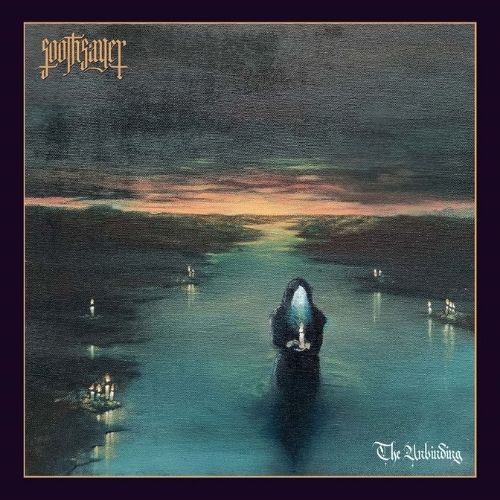
The album’s visual identity follows a similar direction to its music. The artwork and overall aesthetic do not completely reject the occult and dark imagery frequently associated with extreme metal, but rather use these elements as a framework supporting the album’s heavy and ritualistic atmosphere instead of relying on them as purely decorative additions. The visual language does not explain the experimental side of the music on its own, yet it reinforces The Unbinding’s position between the traditional darkness of doom and more modern atmospheric approaches.
The album replaces Soothsayer’s earlier raw and uncontrolled approach with a more deliberate but still risk-taking compositional mindset. The strongest moments emerge when the band naturally combines doom’s crushing foundations with black metal aggression and atmospheric layering. Its weaker moments appear when these different identities fail to fully merge within the same narrative structure.
For this reason, the album demands a more patient listening approach, one that follows the architecture of the compositions and the transformation of recurring motifs rather than seeking immediate impact. Soothsayer are not attempting to completely redefine the boundaries of the genre; instead, they are expanding the transitional space between atmospheric doom and black metal. The Unbinding is not a complete reinvention of the band’s identity, but it stands as a significant stage in their development — a record that gains character through both the strengths of its experimental choices and the imperfections that accompany them.
OZAN