ALBUM REVIEW
Troy The Band – (des)
Doom, Shoegaze and Noise Rock in Collision
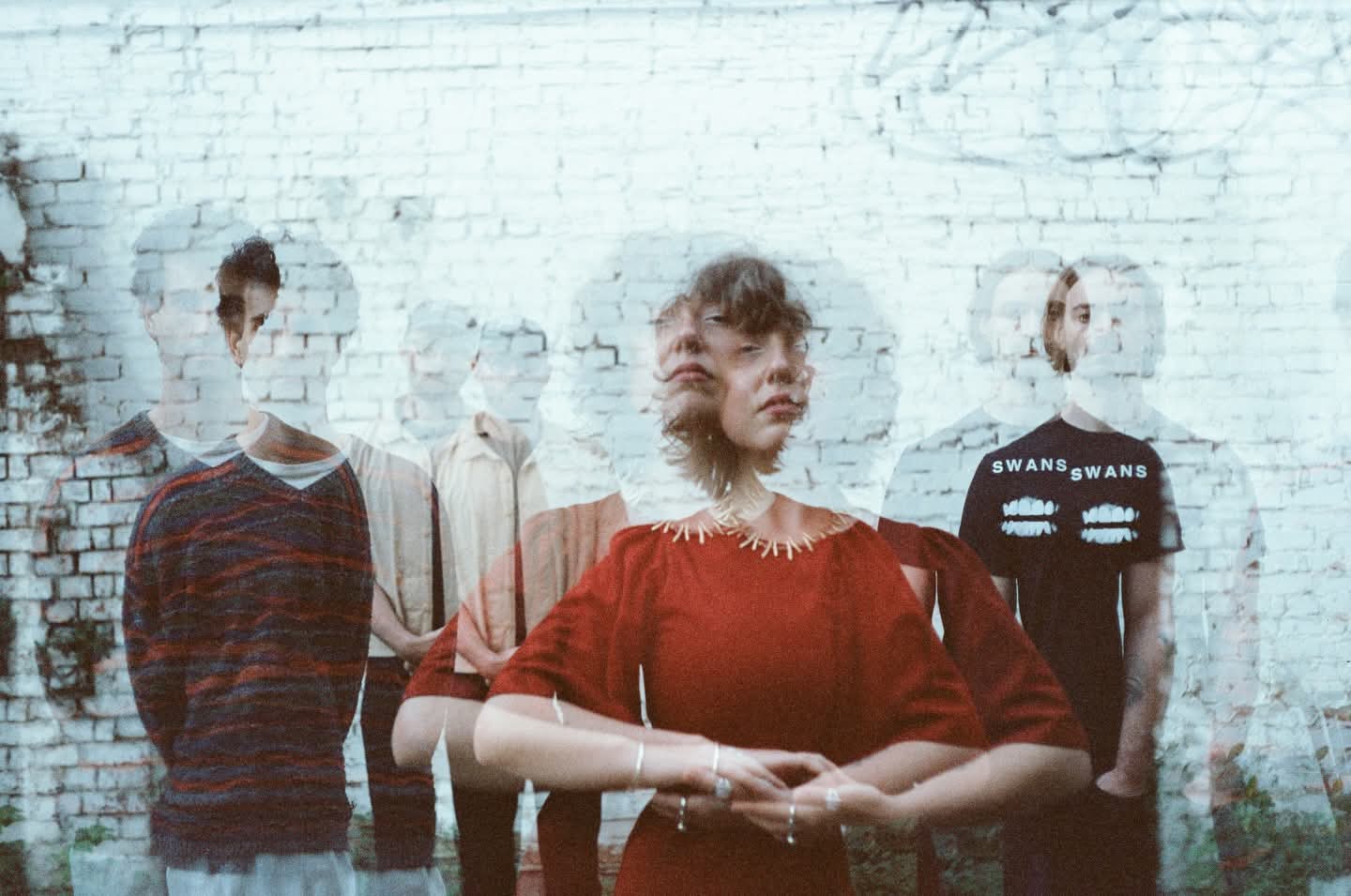
London-based Troy The Band stand out as a contemporary extreme music act that combines the crushing atmosphere of doom metal with shoegaze’s hazy textures, noise rock’s experimental approach, and a progressive sense of arrangement. Following the strong underground impact of their debut album Cataclysm, the band expand their musical boundaries and explore new forms of expression shaped by their changing lineup on their second release, (des). Built around contributions from multiple vocalists, the album reflects Troy The Band’s fluid movement between genres and their attempt to redefine their own sonic identity.
Troy The Band’s second album, (des), represents the search of a band attempting to expand its sonic territory while moving between different extremes of heavy music. Blending doom’s slow-moving weight, shoegaze’s blurred atmospheres, noise rock’s abrasive textures, and a broader compositional approach rooted in progressive thinking, the album takes shape as a work driven less by a collection of conventional “heavy songs” and more by layers of sound. The band’s core approach preserves the riff-centered foundation of doom tradition while building song development around atmosphere, dynamic shifts, and contrasting vocal identities.
The most distinctive structural choice on (des) is the presence of different guest vocalists on every track. Emerging after the band parted ways with their previous vocalist, this solution becomes both the album’s most striking and most debatable aspect. With contributions from Soozi Chameleone, Peter Holland, Kay Elizabeth, Caine Hemingway, Jake Packham, and several others, the album explores different forms of expression without being tied to a single vocal identity. However, this approach also raises questions regarding the album’s overall cohesion. While the contrasting vocal techniques give individual songs their own character, (des) occasionally comes close to feeling less like the unified statement of one band and more like a collection of performances from different artists.
This becomes especially apparent in sections where the vocal identities differ significantly from one another. “Memory Glowing,” for example, creates one of the album’s most balanced moments through the softer, melodic, and atmospheric approaches of Peter Holland and Kay Elizabeth. The song unfolds through spacious guitar textures reminiscent of Elephant Tree’s psychedelic doom sensibilities, heavy yet fluid bass movement, and restrained drumming. In contrast, “Nothing” reveals the album’s more aggressive side through Jake Packham’s harsh vocal performance, pushing the material closer to sludge metal and hardcore territory. The difference between these two approaches expands the band’s stylistic range while also making it more difficult for the album to establish a single narrative direction.
Musically, Troy The Band’s greatest strength lies in their ability to use heavy riffs not merely as sources of power, but as tools for atmosphere. Opening track “Porous” balances a slowly unfolding guitar structure built on thick fuzz tones with melodic vocal lines. While the riffs carry the repetition and weight associated with traditional doom, the band’s shoegaze influences allow the guitars to create a constantly shifting texture that expands in the background. In this sense, Troy The Band follow the path of certain modern progressive doom acts by creating heaviness not only through low tempos, but through the manipulation of sonic space itself.
“Journey’s End” is one of the tracks that applies this approach most successfully. Beginning with a distant, almost mathematical guitar atmosphere, the song gradually develops into a denser structure. The bright yet detached guitar tones, powerful low-end frequencies, and controlled drums give the track a hypnotic quality. As the song progresses, the transition into harsher vocal territory does more than simply create contrast; it also establishes a clear turning point within the arrangement itself.
The album’s doom side becomes more prominent on tracks such as “Denial” and “Adoration Of Ill Luck.” “Denial” creates a strong vocal contrast above its heavy riffs through contributions from Soozi Chameleone and Matt Sutton. Troy The Band’s success here lies in the fact that they do not use different vocal styles merely as guest appearances; they integrate them into the dynamic structure of the songs. Similarly, “Adoration Of Ill Luck” offers an important glimpse into the band’s future direction through Ana-Maria Terr Bordei’s distinctive vocal character. Terr Bordei’s more recognizable and dramatic vocal approach carries the potential to give the band’s existing doom/shoegaze foundation a more permanent identity.
However, (des) does not always ensure that its experimental approach delivers the same impact. The album’s production successfully balances heavy guitar tones with atmospheric layers, creating a strong relationship between dense low frequencies and brighter, expansive ambience. Yet some tracks disappear into their own atmospheres without reaching a truly powerful structural peak. Troy The Band occasionally approach the long-building structures associated with post-metal, but in certain sections, the preparation does not lead to a sufficiently defined compositional payoff. As a result, some ideas remain impressive textures rather than fully developed song structures.
The album’s visual approach also parallels the music’s fragmented and layered nature. The title and presentation of (des) suggest ideas of fragmentation, transformation, and the search for identity rather than a direct conceptual narrative. This approach aligns with the band’s musical attempt to dissolve boundaries between different genres. However, the visual identity functions more as a supporting element for the existing atmosphere rather than creating a separate narrative that overshadows the music.
Troy The Band’s second album is an ambitious yet occasionally uncertain work that combines doom metal’s traditional weight with shoegaze’s atmospheric breadth and noise rock’s raw textures. The guest vocalist concept adds different colors to the album, but it also creates certain limitations in establishing a clearly defined collective identity for the band. Nevertheless, (des) demonstrates that Troy The Band are not simply repeating established doom conventions; they are developing an approach that searches for different forms of expression within the genre.
Rather than offering a quickly consumed, riff-focused listening experience, this album demands an attentive approach in which layers and arrangement decisions reveal themselves over time. (des) does not represent a radical break within the contemporary experimental doom scene; instead, it stands as an important step in Troy The Band’s process of expanding their own sonic identity. The defining question will be how the band transforms this wide range of vocal and atmospheric possibilities into a more cohesive musical identity in the future.
OZAN