ALBUM REVIEW
Mortem – Mørketid
Norwegian Black Metal Reimagined
Coming from the early days of Norwegian black metal history, Mortem have remained one of those names that stayed somewhat in the shadows while their influence continued to be felt. From their formation in the late ’80s to their present-day output, the band have followed a path of reshaping classic Norwegian darkness through different extreme metal approaches. Mørketid emerges as a work that brings together the legacy of this deep-rooted history with a modern production approach and broader compositional choices, revealing the direction of the band’s second phase.
With Mørketid, the band aim for far more than simply being a revival project trying to exist under the shadow of the past. At its foundation lie the familiar tools of classic second-wave black metal: razor-sharp tremolo guitars, suffocating layers of atmosphere, aggressive vocal attacks, and compositions built around darkness. However, Mortem’s approach is not based solely on recreating the aesthetics of ’90s Norwegian black metal. Through the rhythm section, keyboard usage, and song arrangements in particular, the band attempt to reshape this heritage within a contemporary production framework.
Mørketid uses the concept behind its title — the “polar night” — not merely as a thematic reference, but as an approach that defines the album’s musical atmosphere. While the guitar tones remain harsh and abrasive, the production choices consciously distance themselves from the traditional lo-fi black metal aesthetic. Rather than imitating the murky and inaccessible side of the old Norwegian sound, the album builds a fuller structure where the instruments support one another. Tor Stavenes’ bass guitar, in particular, takes a clearly defined role in the mix instead of disappearing beneath the wall of guitars; it adds rhythmic weight and increases the physical impact of the compositions.
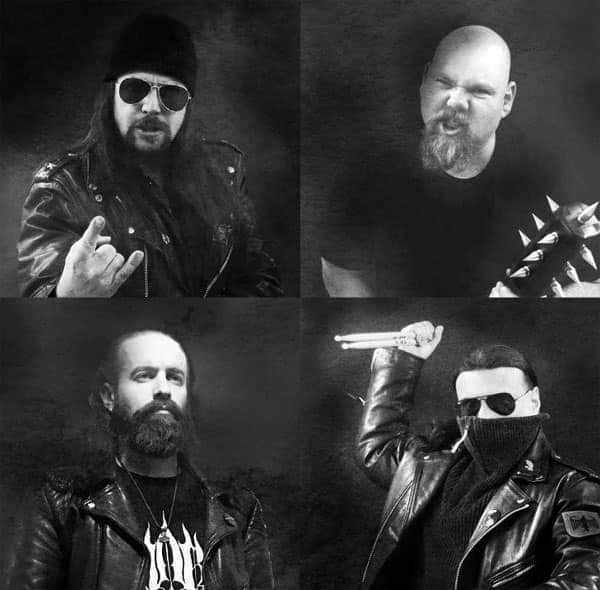
At this point, the album’s most noticeable development emerges in the rhythm section. Hellhammer’s drumming does not only determine the element of speed, but also the structural movement of the record. While the blast beat sections retain the classic aggression of black metal, the mid-tempo passages allow the drums to emphasize the dramatic side of the songs. The moments where certain transitions lean toward the harshness of Death Metal rhythms demonstrate that the band are not limited solely by second-wave references. This approach gives the album a heavier and more physical character.
On the guitar side, Mortem follow a more traditional path. Steinar Sverd Johnsen’s riffs remain largely connected to the legacy of early Norwegian black metal; sharp melodic lines, recurring tremolo structures, and cold harmonies are clearly present. However, one of the album’s strengths is that it does not use this familiar material in a completely mechanical way. Tracks such as “Skyggeånd” and “Mørkets Ormebol” show that the guitars are not used merely to generate speed, but also to create atmosphere. The melodic lines work together with the keyboards, creating a broader sonic space.
That said, Mørketid does not maintain the same level of creative tension throughout. The album’s biggest issue is that it occasionally becomes too attached to its own dark aesthetic. Although the riff structures are strong, certain songs begin to reveal a sense of repetition, with some ideas continuing longer than necessary. Mortem’s musical identity is deliberately built around an unsettling and dense atmosphere; however, this choice sometimes limits the memorability of the compositions.
This is where the keyboards become an important balancing element. Sverd’s contribution serves a different purpose than the grandiose or symphonic embellishments often found in black metal. The keyboards never overpower the songs; instead, they function as atmospheric layers that expand the dark space created by the guitars. The piano touches within “Aftermath” and the more majestic passages in “Ditt Ødes Ære” demonstrate that the album is not built solely around aggression. However, these elements never go far enough to alter the fundamental logic of the compositions. Rather than representing an experimental expansion, they serve as complementary additions that enrich the existing black metal framework.
Marius Vold’s vocals are one of the album’s most direct connections to the past. With their thick, abrasive, and poisonous tone, they continue the classic Norwegian black metal vocal tradition. While the strength of the performance is undeniable, the vocal approach mostly remains within a similar aggressive expression. This fits the overall atmosphere of the album, but in certain sections it prevents the vocals from opening up a new musical dimension.
The second half of the album stands out as the point where Mortem begin revealing different sides of their identity. “Aftermath” introduces an unexpected color through its guitar approach rooted in classic Heavy Metal. The use of solos in particular shows that the band are not moving solely between atmospheric darkness and aggression. “Den Sanne Gud”, meanwhile, brings the Death Metal influences to the forefront more openly, proving that the album is not simply a straightforward second-wave black metal exercise. These moments show that Mortem are capable of using experimental ideas not merely as surface-level decoration, but as tools that occasionally alter the direction of the compositions.
When considered within the context of the genre, Mørketid positions itself between two different tendencies in the contemporary black metal landscape. On one side stands the historical aesthetic of second-wave Norwegian black metal; on the other lies the stronger and more balanced production approach of modern extreme metal. Mortem do not create a radical synthesis between these two worlds, but they do make the formulas of the past feel more alive and controlled within today’s standards. In this sense, the album feels less like a nostalgic repetition and more like an attempt by a band aware of its roots to reinterpret its own language.
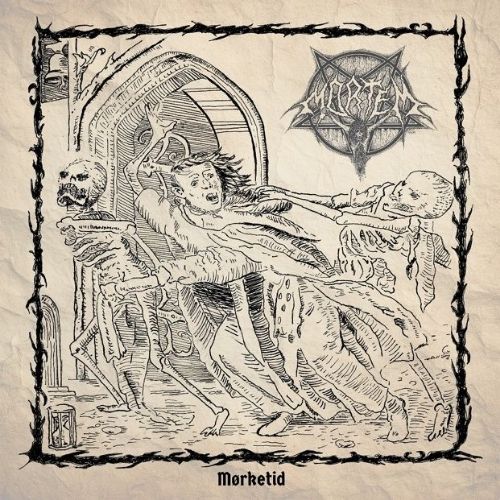
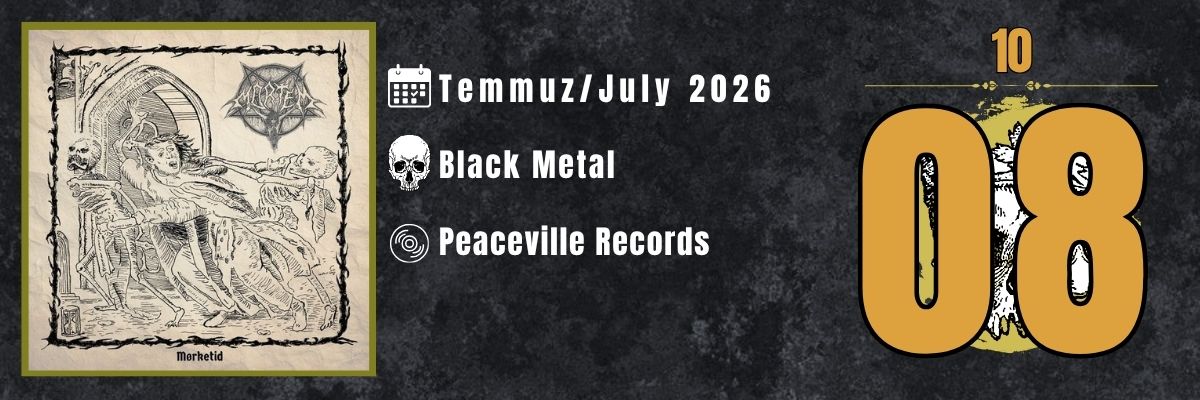
The visual identity also supports this approach. The artwork evokes old underground fanzine culture, grotesque illustrations, and dark humor rather than a modern and sterile extreme metal aesthetic. This choice aligns with the character of the music, as Mortem are less interested here in creating a grand mythology and more focused on building a decayed and unsettling atmosphere. The visual language functions as an extension of the album’s musical structure rather than serving merely as decorative darkness.
The album is not an archival statement designed only to remind listeners of Mortem’s historical importance; it is a contemporary black metal record that carries the weight of that history. Instead of reproducing the second-wave legacy exactly as it was, the band reshape it through stronger rhythms, a more balanced production approach, and atmospheric arrangements. Although certain repetitions and limited vocal variation reduce some of the album’s impact, its central approach remains consistent.
This record asks the listener not to approach it solely with expectations of speed and aggression, but to pay attention to how the riffs merge with the atmosphere surrounding them. Mortem do not rewrite the classic language of black metal here; rather, they demonstrate how that language can still function effectively. Mørketid stands as an attempt by a band rooted in the genre’s past, but not confined by it, to redefine its own dark territory.
OZAN