ALBUM REVIEW
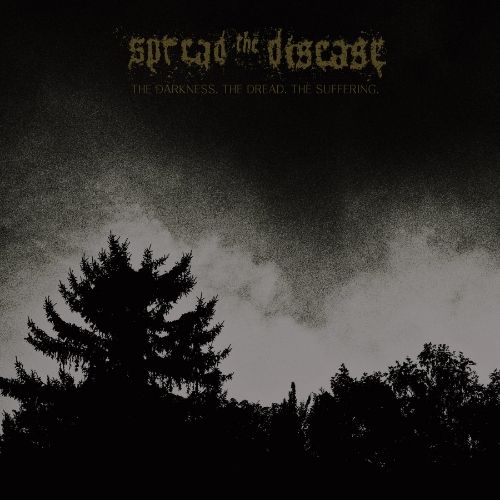
Spread The Disease – The Darkness. The Dread. The Suffering.
Spread The Disease return after 27 years
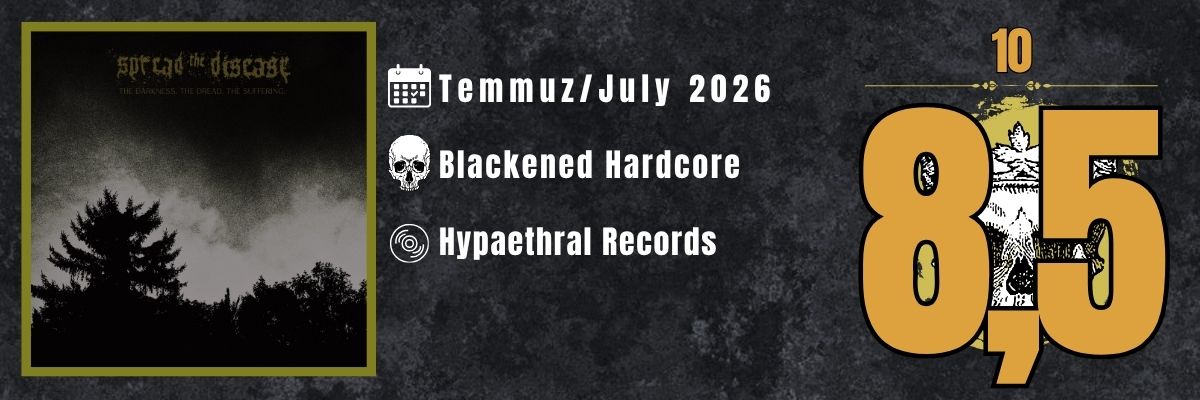
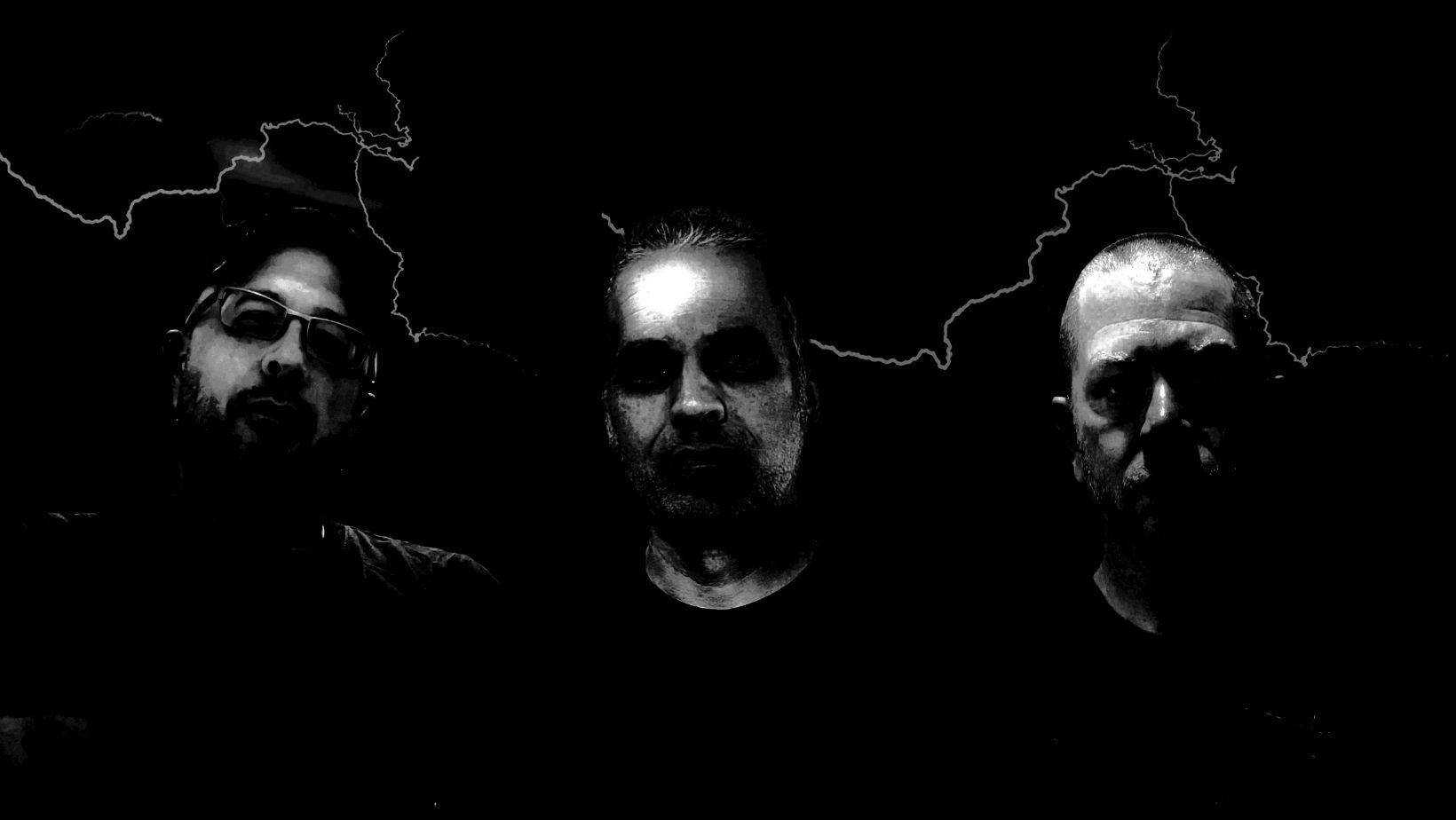
Emerging from the Canadian underground scene in the late ’90s, Spread The Disease became one of the early representatives of a genre concept that had not yet been fully defined, combining the cold atmosphere of black metal with the raw energy of hardcore and the technical aggression of death metal. During their brief initial run, the band built a cult following with releases such as We Bleed From Many Wounds and The Sheer Force Of Inertia, before returning years later to reshape that legacy. The Darkness. The Dread. The Suffering. stands as a comeback album that revisits the dark formula the band established in the past while searching for new forms of expression within the context of contemporary extreme metal.
The album’s core strength comes from Spread The Disease’s seemingly chaotic yet carefully structured compositional approach, first developed in the ’90s. The band combines black metal’s tremolo guitar lines and dense atmospheric elements with hardcore’s direct physical energy while incorporating the rhythmic brutality rooted in death metal. However, the goal here is not simply to place three different genres side by side; it is to create a tension where these elements constantly disrupt and reshape one another. Album opener “Light Opaque” immediately reveals this approach, beginning with a layer of digital noise before erupting into a crushing drum-and-guitar assault. The sharp movement of the tremolo guitars, death metal-inspired riff breaks, and Shane Post’s aggressive vocal delivery prevent the track from being reduced to a straightforward hardcore attack. Particularly in the mid-section breakdown, the band preserves hardcore’s physical impact while allowing the guitar melodies to create a broader harmonic space.
At this point, one of Spread The Disease’s most striking qualities is their ability to establish their own rhythmic balance without relying on blackened hardcore clichés. While many bands in this style today use black metal atmosphere as an additional layer placed over a hardcore foundation, The Darkness. The Dread. The Suffering. places the friction between these two worlds at the center of its compositions. Black metal’s cold, constantly shifting guitar language is interrupted by hardcore’s abrupt stops and physical accents. This contrast forms the foundation of the album’s compositional identity.
“Gods and Politics” is one of the clearest examples of this approach. The track’s more traditional heavy metal-flavored guitar opening quickly transforms into an aggressive d-beat-driven drum assault. Here, the rhythm section is not merely an element that follows the guitars; it functions as one of the main forces determining the direction of the song. Ryan McInturff’s bass work does not completely dominate the mix, but it provides a thick foundation that reinforces the weight of the guitars. Meanwhile, the drums move throughout the album between the force of blast beat sections and the hardcore-rooted impact of half-time transitions, balancing brutality with movement.
“Indoctrinated” reveals the band’s heavier side. The track begins with a doom-oriented introduction built around a slow-paced guitar approach reminiscent of early Slayer atmospheres before breaking into punk-driven bursts of speed. These transitions highlight one of the album’s strongest qualities: Spread The Disease do not use different genre influences as decorative references; instead, they build the dramatic structure of their songs around these shifts. Repeating guitar motifs and recurring riff ideas throughout the track maintain compositional cohesion despite the extended song lengths.
The album’s longest tracks demonstrate the band’s preference for broader compositional spaces rather than the short and direct structures often associated with modern hardcore. “Summer Wanes” changes its atmosphere by unexpectedly shifting into a 6/8 rhythmic structure after its opening moments of high-speed aggression. This section shows that the band does not rely solely on velocity; they also use weight, space, and tempo changes as compositional tools. The transformation of the recurring melodic line in the closing section — moving from guitar into octave harmonies and eventually a synth touch — represents one of the album’s most successful examples of experimentation. While the electronic element continues the exploratory tendencies heard on earlier Spread The Disease recordings, it is used with greater restraint here. The synth does not overshadow the music; it remains a structural tool that enhances the atmosphere.
“The Blight in Their Eyes” is one of the album’s most intense moments. Shane Post’s vocal performance, which begins alone, is reinforced by the rhythmic shifts that define the rest of the track. The drums here summarize the album’s overall approach, moving between different forms of motion, from crushing half-time hits to explosive blast beats and dragging sludge-influenced passages. The guitars slowing down into layers of feedback at the end of the song complete the album’s dark and physical production approach.
From a production perspective, the album carries a dense and heavily compressed sound by modern extreme metal standards. The guitars have a thick, closed-in character, while the drums occasionally create a sense of excessive digital harshness. The heavy processing used on the drum tones can be viewed as a choice that reduces the feeling of organic performance. However, this does not entirely conflict with the album’s overall aesthetic, because the sound Spread The Disease are pursuing is not a clean and separated metal production; it is a dense wall of sound designed to create a sense of physical pressure.
Visually, the album’s title and presentation also parallel the direction of the music. The phrase The Darkness. The Dread. The Suffering. directly draws from black metal’s dark aesthetic heritage, but gains a broader meaning when combined with the social anger rooted in the band’s hardcore background. The album’s thematic approach is built around contemporary political tensions, social polarization, and criticism of belief systems. Rather than being turned into direct slogans, these ideas are conveyed through dense riff structures and a constant sense of tension within the music.
Spread The Disease’s return occupies an interesting position when compared to the new generation of bands operating within blackened hardcore. The band is not attempting to become another contemporary representative of the style; instead, they are rebuilding their own language as one of the early sources of an approach that has become far more widespread today. The Darkness. The Dread. The Suffering. is not a record that radically alters the boundaries of the genre, but it demonstrates that the formula the band created in the past still has a valid expressive space when reworked through the conditions of modern production.
This album demands a listening approach focused less on immediately consumed hardcore energy and more on structural details. Spread The Disease’s success does not come simply from combining different extreme metal elements, but from keeping the conflict between those elements constantly alive. Arriving after twenty-seven years of silence, this record is less a nostalgic return than a controlled and deliberate attempt to re-examine the band’s early ideas within today’s extreme metal landscape.
OZAN
https://instagram.com/spreadthedisease_official
https://instagram.com/hypaethralrecords
https://www.facebook.com/hypaethralrecords