ALBUM REVIEW
Witchsorrow – The Devil And All His Works
Ancient Doom Heaviness
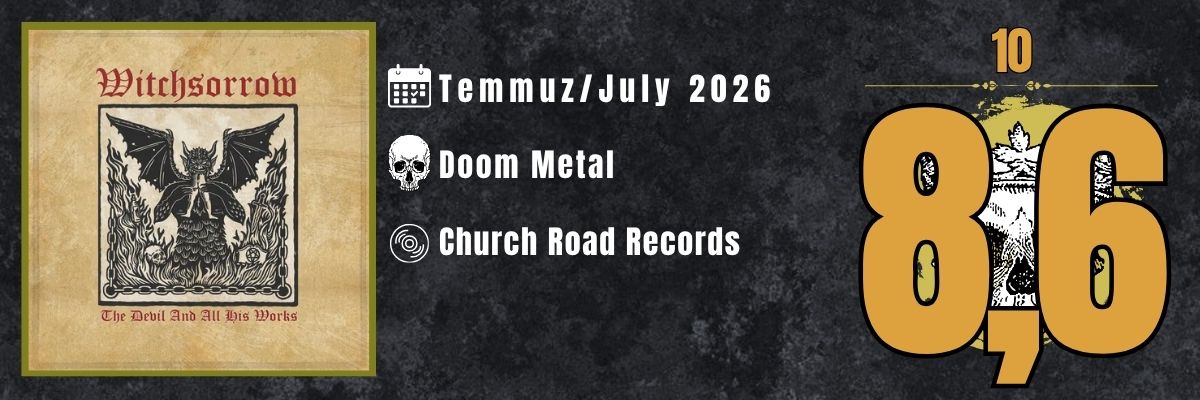
One of the darkest and most uncompromising representatives of the UK doom metal scene, Witchsorrow have developed a distinctive identity built around crushing riffs, occult atmospheres, and a traditional doom mindset throughout their nearly two-decade-long career. By combining the sense of slowness and heaviness inherited from Black Sabbath with the grim texture of 1990s doom aesthetics, the band has secured a firm place within the underground scene. The Devil And All His Works preserves Witchsorrow’s long-established approach while once again showcasing their compositional strength and position within the genre.
One of doom metal’s fundamental elements, the riff-driven narrative, continues to operate through the genre’s oldest instincts on this album: weighty guitar tones, hypnotic structures built around repetition, and the physical pressure created by rhythmic heaviness. However, the British trio’s approach is not limited to a nostalgic Sabbath worship. Drawing on the experience gained throughout nearly twenty years as a band, Witchsorrow reshape traditional doom frameworks through a more dynamic compositional perspective. While the album retains the genre’s classic aesthetic codes, it avoids becoming a one-dimensional retro exercise, particularly through its guitar work, internal tempo shifts, and atmospheric arrangements.
Opening track “Omnia Finiuntur” serves as Witchsorrow’s musical manifesto. The song immediately recalls the theatrical introductions of classic doom through church bells and a dark organ texture; however, the true defining element lies in the structure of the guitar riffs that follow this atmospheric setup. Necroskull’s heavily distorted guitars and Emily Witch’s bass lines draw from the guitar-and-bass interplay established in early Black Sabbath tradition. The riffs are not built solely around slowness, but around subtle harmonic shifts and the tension created by repetition. The heavy drumming gives the track an organic sense of weight, not so much the force of a machine, but the feeling of a massive structure slowly moving. Across its nearly twelve-minute runtime, the song embraces classic doom’s philosophy of patiently developing a riff, drawing the listener into an extended atmosphere rather than chasing immediate results.
At this point, Witchsorrow’s musical position becomes clearly defined. The band attempts to carry the influence of early Black Sabbath and the Cathedral-inspired strain of 1990s British doom into the contemporary extreme metal landscape. What matters here, however, is that these influences are not used merely as references. Witchsorrow turns this legacy into the foundation of their own songwriting approach. Necroskull’s vocals further reinforce this direction; instead of a clean and controlled delivery, the band opts for a worn, threatening vocal character expanded through reverb. This choice moves away from the more polished production tendencies of modern doom and reconnects the band with the genre’s grimy, analogue roots.
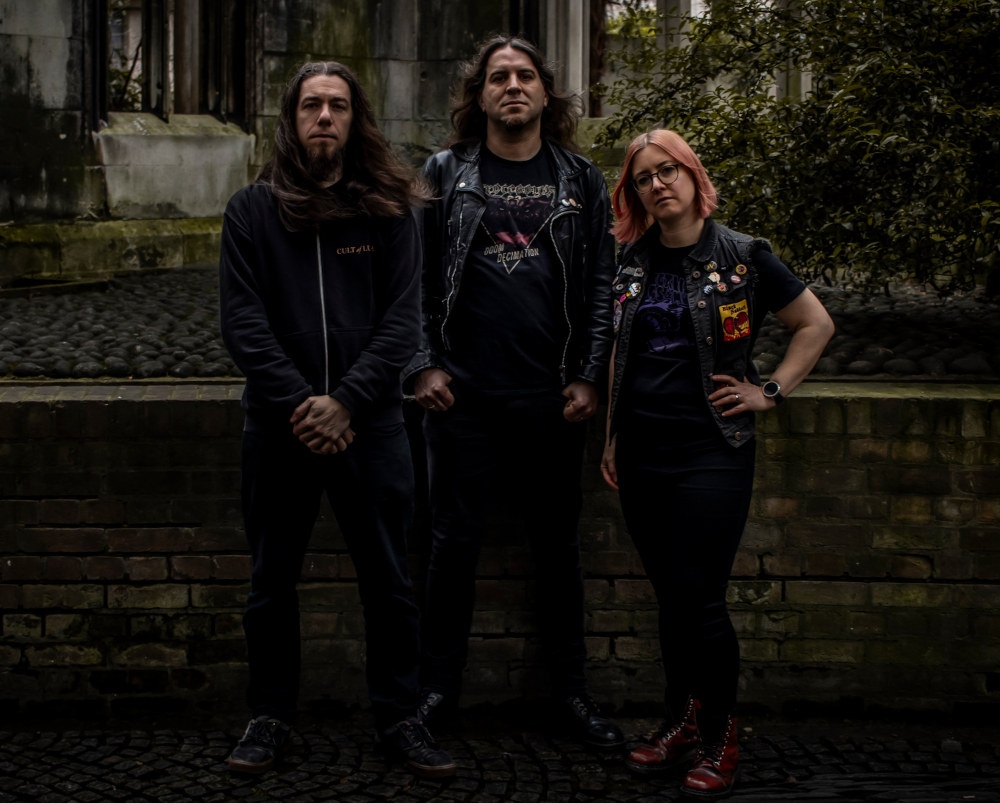
“Bacchus” is one of the tracks that reveals another side of the album. The song’s fuzz-heavy guitar tone and repetitive groove structure maintain doom’s slow pace while creating a more mobile rhythmic framework. This is where one of Witchsorrow’s key distinctions emerges: the band understands that slowness itself is not the goal. Small melodic touches embedded within the riffs and the occasional classic heavy metal-inspired guitar passages give the track a broader musical range. Particularly, the influence of 1970s hard rock does not break the darkness of the doom atmosphere; instead, it creates a contrast that strengthens it.
“Hades Chains” and “In Triumph We Rot!!!” represent the album’s more direct metal side. The former gains a more aggressive character through the contribution of guest vocalist Serena Cherry. The faster guitar sections and denser rhythmic structure demonstrate that Witchsorrow are not confined solely to slow-paced doom conventions. “In Triumph We Rot!!!” is perhaps one of the band’s most memorable compositions. With its shorter, more direct structure and live-oriented approach, it creates a strong contrast against the album’s monumental atmospheres. It also establishes a strong connection with doom metal’s increasingly prominent concert-focused, collective ritualistic side.
The album’s more experimental aspects emerge through “Lamentation” and “A Quintessence Of Dust.” However, Witchsorrow do not use experimentation here to alter the fundamental character of the genre, but rather to expand the atmosphere already established. Particularly on the closing track, Sammy Urwin’s guitar solo creates an unexpected surge of intensity within the album’s generally slow-moving framework. This section does not feel like a decorative addition to the traditional doom formula; instead, it becomes a genuine turning point within the song’s dramatic structure. Still, Witchsorrow’s overall approach is built less around pushing genre boundaries and more around deepening doom’s existing expressive possibilities.
On the production side, the band’s choices remain fully aligned with the character of the music. Chris Fielding, who handled production duties on the album, adopts an approach that preserves the natural power of the heavy guitar tones and low frequencies. Unlike the heavily compressed and sterile mixing approach often found in modern extreme metal, The Devil And All His Works possesses a more organic, dirty, and physical sound. The fact that the bass guitar remains present within the mix is a crucial advantage for doom metal, as the album’s weight does not come solely from guitar distortion, but from the constant interaction between guitar and bass.
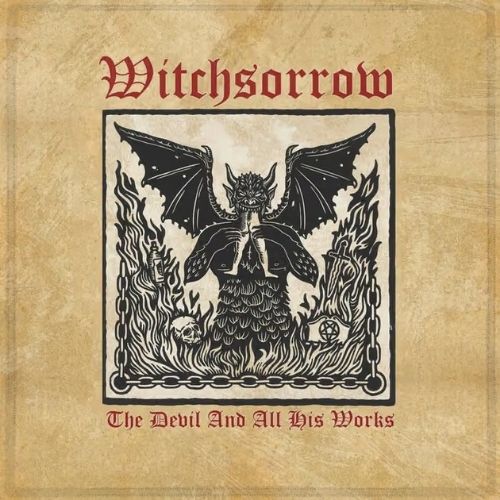
From a visual identity perspective, the album also moves in harmony with the traditional dark landscape created by the music. Its occult imagery and close connection to classic doom aesthetics do not completely break away from the genre’s established visual language. However, the important factor is that the visual side never overshadows the music itself. Rather than embracing the excessive symbolic storytelling often seen in many contemporary extreme metal concept albums, Witchsorrow remains directly connected to the historical iconography of doom culture.
The Devil And All His Works is less an attempt by Witchsorrow to forge an entirely new path within the genre and more a demonstration of how effectively they can utilise doom metal’s core principles. The album does not attempt to redefine its identity through experimental touches; instead, it makes maximum use of the genre’s fundamental tools, such as riff writing, atmosphere building, and rhythmic heaviness. As a result, the record carries greater significance for listeners who remain connected to the classic doom tradition. Its approach to listening is built around patience, recognising subtle changes within repetition, and following how weight itself is constructed. Rather than simply recreating doom’s past, Witchsorrow demonstrate how powerful that past can still be as a language of composition.
OZAN