ALBUM REVIEW
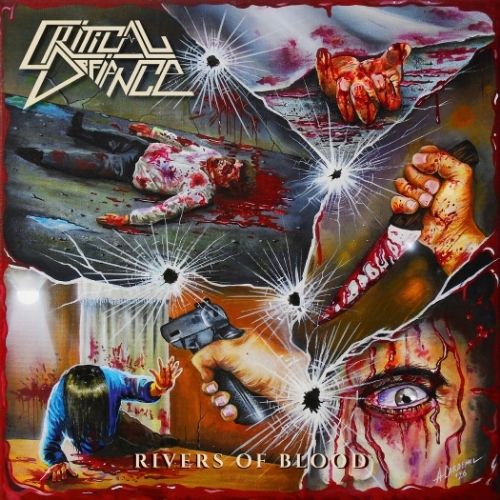
CRITICAL DEFIANCE - Rivers of Blood
Hard, dark and controlled thrash metal.
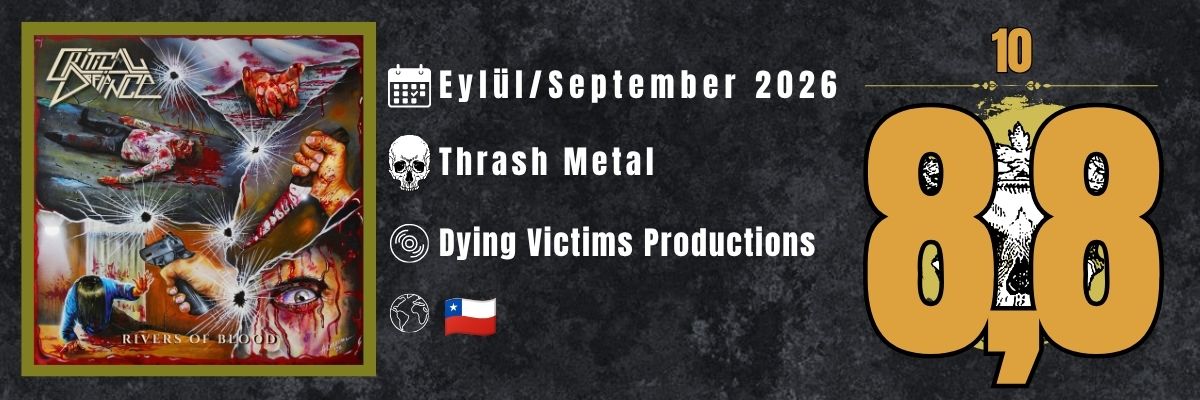
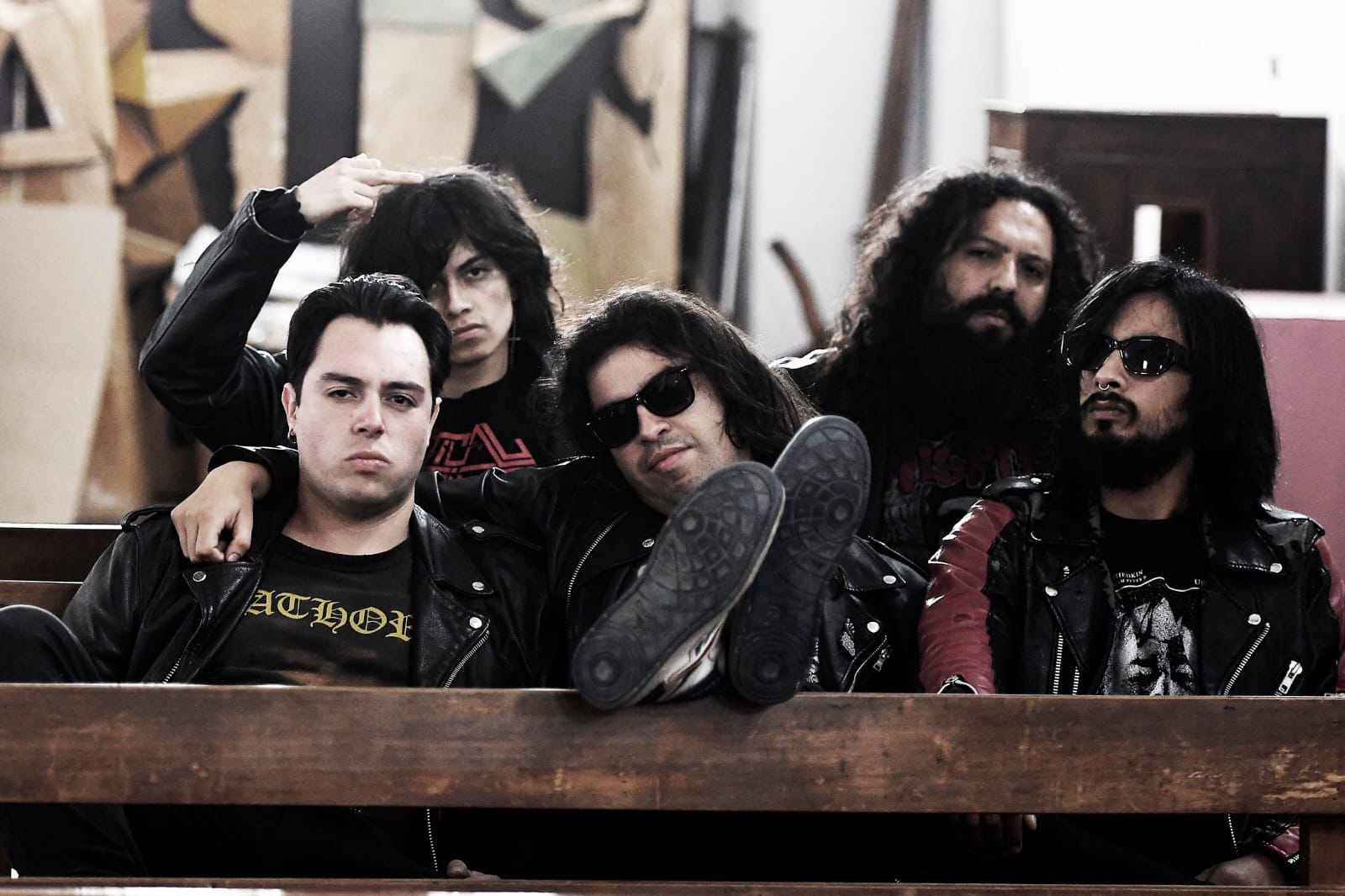
One of the more consistent names in Chile’s underground thrash metal scene in recent years, CRITICAL DEFIANCE brings together different aspects of its previous work on its fourth full-length, "Rivers of Blood", within a tighter compositional framework. Its roughly half-hour runtime is important to understanding the album’s approach: rather than multiplying ideas and different elements as much as possible, the band aims to preserve and crystallize the impact of high-speed thrash within a short, concentrated structure.
The flow that begins with "Red Omen" is particularly striking in this regard. The calm opening built around acoustic guitars does more than simply provide contrast to the high-speed riffs of 'Innate to Kill' that follow; it also lays the groundwork for the acoustic textures that reappear later in the album. 'Innate to Kill' is one of the tracks where CRITICAL DEFIANCE refuses to sacrifice technical ability for speed. While the riffs remain in constant motion at a high tempo, the guitar layers and brief solos keep the song from being confined to a single line of velocity. Felipe Alvarado’s vocals complement the classic aggression of thrash with a sharper delivery that edges toward black metal.
This approach to speed continues on "The Feeling Destroyer", but here the composition works more through tension and shifts. Dark mid-tempo sections, guitar solos, and riffs that intensify again keep the track from building its structure around speed alone. The prominence of themes such as power, self-interest, violence, and the erosion of human relationships in the lyrics also prevents the music’s aggression from remaining merely a formal choice. Throughout the album, CRITICAL DEFIANCE’s harshness is intertwined with different images of social and personal destruction.
On the album’s title track, however, the tempo is pulled back noticeably. Rather than diminishing the intensity of "Rivers of Blood", this change brings the weight of the riffs to the foreground in a different way. Clean, recessed vocal textures, combined with darker guitar passages, give the track breathing room that sets it apart from the songs preceding it. The alienation, depression, and conflicted perspective toward the city in the lyrics further reinforce this atmosphere. The album’s extreme character, then, is not defined solely by blast beats or maximum speed; it remains intact even when the rhythmic intensity is reduced.
"Valparaíso" is the most expansive example of this approach. At nearly eight minutes, it is the album’s longest track, moving from an acoustic introduction that evokes traditional South American sounds into high-tempo sections rooted in black/thrash. Punk-influenced melodic movements, technical guitar passages, and a broader arrangement prevent the song from maintaining the same level of intensity throughout. More importantly, its lyrics establish a direct connection with the city CRITICAL DEFIANCE comes from: death, poverty, violence, the sea, hope, and destruction stand side by side within the same text. The city’s name therefore becomes more than a song title, turning into a concrete reference point for the album’s bloody and restless atmosphere.
That said, the acoustic sections of "Valparaíso" do not always move with the same sense of cohesion. There is a noticeable aesthetic distance between the aggression of the main riffs and some of the acoustic transitions, and it is difficult to say that these sections are fully integrated into the track’s dramatic flow. This also makes the album’s overall use of acoustic elements interesting: in shorter passages such as "Red Omen" and "Ceremony of the Final Call", the contrast supports the album’s dramaturgy, whereas within the extended form of "Valparaíso", it can occasionally feel as though the composition is moving beyond itself.
For the same reason, the other tracks in the second half do not develop the intensity established in the first section to quite the same degree. 'Dead Tongues' returns to a fast and dark strain of thrash, with lyrics steeped in industrial violence and religious references matching the song’s harsh vocal approach. Still, there is a growing sense here that some of the riffs could be developed further in terms of variation and progression. 'Glorify War', meanwhile, quickly turns from its bass-led opening into a full-scale thrash attack, bringing the album to a safe close. Its lyrics, built around the language of war reducing human beings to a “resource”, reinforce the track’s directness; however, some parts of the finale do not display the same tight cohesion as the album’s earlier compositions.
Compared with CRITICAL DEFIANCE’s previous recordings, this is where "Rivers of Blood" makes its most important gain. The riff density of the "Misconception" era, the tighter structures that became more pronounced on "No Life Forms", and the expanded compositional approach of "The Search Won't Fall…" converge here at a more controlled point. The roughly thirty-two-minute runtime is particularly effective in preventing the band’s technical capacity from being diluted by unnecessary length, which I consider a very positive choice. The songs are fast without being hurried; there are complex passages, but they are not constantly pushed to the foreground for the sake of showing off.
The production supports this character as well. Rather than approaching the sterile clarity of modern metal, it retains an organic, old-school harshness without causing the details of the guitars and drums to disappear. The ability of the instruments to move without becoming blurred together is especially important during the high-speed sections, because CRITICAL DEFIANCE’s music relies not merely on distortion intensity but on the way its riffs connect with one another. The sharpness of the guitars, the drums’ high-speed transitions, and the bass moving further underneath yet remaining perceptible all function as parts of the same structure.
For this reason, "Rivers of Blood" cannot simply be read as a revival of ’80s thrash metal. Its obvious kinships with KREATOR, EXODUS, DARK ANGEL, DEMOLITION HAMMER, SADUS, and bands working within the black/thrash tradition are clearly audible, but CRITICAL DEFIANCE does not use this legacy merely as a nostalgic costume. The way acoustic guitars, dark mid-tempo sections, melodic leads, and occasional more technical guitar work are incorporated into the fast thrash framework in particular separates the band’s own language from a direct copy of the past.
Still, not every track on the album reaches the same compositional level. While songs such as "The Feeling Destroyer" and especially "Valparaíso" demonstrate the band’s capacity to expand its ideas, there are moments where the feeling emerges that the riffs could have been developed further or the transitions tied together more tightly. These shortcomings do not undermine the album’s fundamental structure, but considering CRITICAL DEFIANCE’s technical ability, they also suggest that a higher compositional standard is within reach.
The real strength of “Rivers of Blood” lies in the more deliberate balance it strikes between speed and control compared to the band’s previous work. The album retains the aggression of old-school thrash while drawing on the darkness of black metal, the directness of punk, and the contrast created by its acoustic passages. More importantly, it does so without becoming a nostalgic replica of the genre. CRITICAL DEFIANCE moves forward not by looking back, but by taking the riffing logic of that past and applying it within a tighter, more concise songwriting approach of its own. “Rivers of Blood” is one of the band’s most focused works to date and a convincing record that shows contemporary thrash emerging from the Chilean underground does not have to merely repeat its legacy. At the same time, it is particularly valuable for the way it manages to address, within its lyrics, the experiences of a society like Chile’s, which has seen its efforts to chart its own course and shape its own destiny eroded by outside intervention, violence, political repression, and corruption, and has been traumatized by systematic disappearances, torture, and mass deaths.

https://criticaldefiance.bandcamp.com/
https://www.facebook.com/criticaldefiance