ALBUM REVIEW
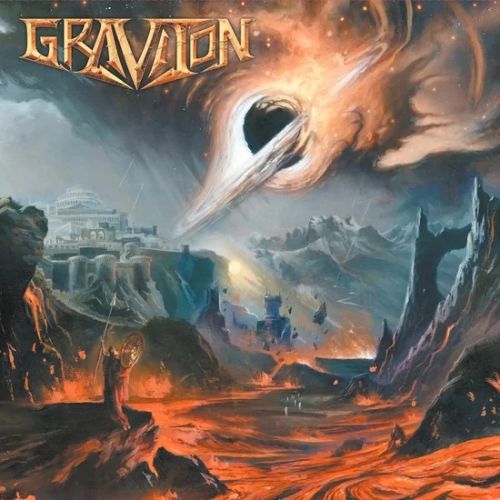
GRAVITON – Graviton
Aggressive thrash meets technical death metal.
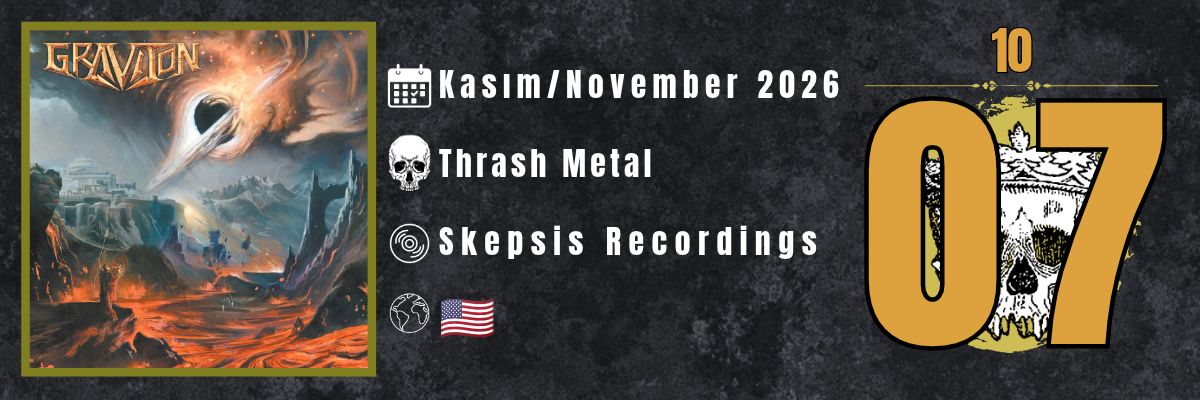
GRAVITON have been part of the New England thrash metal scene since 2015, and their second full-length album marks the end of an eight-year gap between records while bringing the band's musical approach back into focus. Following 2018's "Per Erebus ad Astra", their 2023 EP "The Seventh Plague" remained their only studio release in the intervening years. The self-titled album operates at the intersection of classic American thrash metal aggression and the more intricate compositional approach of technical death metal. The traditional thrash legacy of TESTAMENT and EXODUS, the technical sensibilities of DEATH, and the near-unrestrained musical intensity of STRAPPING YOUNG LAD provide useful reference points for understanding its different elements. GRAVITON's sound, however, is more than a combination of these influences; its rhythmic versatility and the melodic possibilities explored through the guitars give the album a character of its own.
Across its eight tracks, the album establishes a dynamic rhythmic approach from the opening moments of 'Empire of Pain'. Sharp dual-guitar riffs, forceful drumming and Taylor Scott's aggressive vocal delivery bring the track's thrash metal backbone together with the more extreme vocal and rhythmic sensibilities of death metal. Following the opener, 'The Oppressor' stands out through its more prominent and mobile bass lines. Particularly, the bass passages with their jazz-like character introduce a different sense of movement beneath the guitars' high-speed attack, while the solo sections further reinforce the track's technical side. Cam Tidman and Justin Licht's guitars do more than deliver fast riffs; through their lead passages and solos, they also shape the melodic dimension of the songs. This approach highlights the balance the band attempts to strike between showcasing its technical abilities and writing compositions that leave a lasting impression.

'Pillars of Life' is one of the strongest examples of this balance. Its guitar arrangements and rhythmic movement create natural transitions between technical thrash and death metal, while Scott's vocals take on a deeper, more ferocious character. The vocal aggression, particularly reminiscent of CANNIBAL CORPSE, brings the track's extreme side into sharper focus. Apollo Medaglia's drumming also plays a significant role here. Regular shifts in rhythmic patterns, with blast beats connecting to heavier drum passages, provide a powerful counterpoint to the constantly shifting guitar work. Medaglia's synth contributions, meanwhile, add another dimension to the music's background without demanding attention. These touches allow the band to make subtle departures from its familiar thrash/death metal formula, particularly on tracks such as 'Pillars of Life' and 'NGC 1277 Pt. II – GRAVITON'.
The album has no significant shortcomings when it comes to technical proficiency. The riffs are fast, guitar solos are plentiful, and the drums keep the music moving through constantly shifting rhythmic patterns. Yet this intensity occasionally makes it difficult to distinguish one song from another. The high tempos and similarly aggressive guitar structures that dominate the first half prevent some tracks from developing sufficiently distinctive identities. GRAVITON's technical capabilities are unmistakable, but it is harder to argue that they consistently translate into cohesive songwriting. The issue is less about how fast or complex the musicians can play and more about how memorable the ideas they bring to the table actually are. Certain passages deliver impressive performances, but those moments do not always elevate the entire composition to the same level.
'NGC 1277 Pt. II – GRAVITON' occupies an interesting position in this respect. Its fusion of technical thrash and death metal makes it one of the album's most dynamic sections, while the rhythm section's performance gives the track an additional sense of momentum. However, the example that points towards a more distinctive melodic identity is not 'NGC 1277 Pt. III – GRAVITON', but the second part discussed here, according to the track listing provided. In particular, 'NGC 1277 Pt. II – GRAVITON' demonstrates the band's potential to turn technical intensity into a more recognisable song identity. Nevertheless, the fact that this potential does not extend across the entire album remains one of its main shortcomings.
Positioned at the album's midpoint, 'Vengeance' serves as a brief interlude following the high-speed opening stretch. 'Crimson Sand', which follows, restores the momentum with its forceful guitar passages and energetic approach. Its riffs connect more directly with GRAVITON's thrash metal roots, while the technical flourishes in the guitar work preserve its death metal edge. 'Celestial Mass', meanwhile, introduces one of the album's most distinctive dynamics. Its dark, heavy opening temporarily pushes the band's customary high-speed approach into the background. Spanning more than six minutes, the composition moves through several different sections, with mid-tempo passages and atmospheric touches giving it the broadest compositional scope on the record. The use of synths, in particular, alongside sections where the guitars adopt a more controlled approach, demonstrates that the band can be equally effective when it is not relying solely on speed. For this reason, 'Celestial Mass' stands among the album's most rewarding tracks.
Closer 'Dissent Into Madness' returns to a more familiar GRAVITON sound. Coordinated guitar and drum work, hard-hitting riffs and intense vocals bring the album to an end in the expected aggressive fashion. The production and engineering work handled by Ray Marte, Apollo Medaglia and Justin Licht presents the musicians' technical performances with clarity. Combined with Ray Marte's mastering, the album retains its intensity while allowing the individual instruments to remain distinguishable. The bass guitar's ability to come through in certain passages and the clarity of the drums' rhythmic changes are among the more successful results of this approach.
With this self-titled release, GRAVITON deliver a satisfying performance-driven effort that combines the established songwriting traditions of American thrash metal with the more intricate structures of technical death metal. The album's problem is not a lack of musical ability, but the tendency for its ideas to converge around similar levels of speed and intensity. 'Pillars of Life', 'Crimson Sand' and, especially, 'Celestial Mass' demonstrate how much more effective the band can be when it combines its technical capabilities with more varied compositional approaches. What is needed, then, is not greater speed or more complicated riffs, but a more deliberate use of the musical diversity already at the band's disposal to give each song a more distinctive identity. "Graviton" is a satisfying option for listeners drawn to the technical and aggressive strain of thrash/death metal associated with TESTAMENT, EXODUS and DEATH, and showcases the musical skills GRAVITON have developed through their live experience. However, there is still some distance to cover before those abilities translate into a truly distinctive album identity.

https://www.skepsisrecordings.com/
https://www.facebook.com/gravitonmetal